
Introduction
Have you ever noticed that your knees feel stiff when you get out of bed or that your fingers seem harder to move than they used to? Perhaps you’ve blamed it on aging, a busy day, or an old injury. While occasional joint discomfort is common, persistent pain, stiffness, or swelling should never be dismissed as “just getting older.” These seemingly minor changes can sometimes be the earliest signs of arthritis.
It is one of the world’s most common chronic health conditions, affecting millions of people and significantly impacting their quality of life. Although it is more frequently diagnosed in older adults, arthritis can develop at almost any age, including in young adults and children. Depending on the type, it may cause inflammation, damage the joints over time, and make everyday activities—such as walking, climbing stairs, writing, cooking, or even opening a jar—more difficult.
What Is Arthritis?
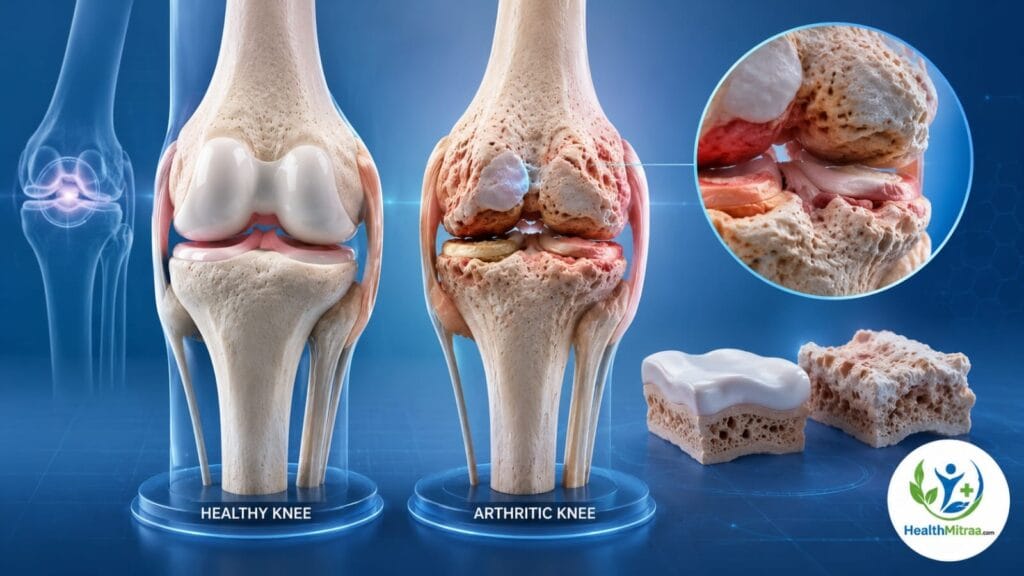
Arthritis is not a single disease but a general term used to describe more than 100 conditions that affect the joints—the places where two or more bones meet. These conditions can cause pain, stiffness, swelling, tenderness, and reduced movement. Over time, some types of arthritis may also damage cartilage, bones, ligaments, and surrounding tissues, making everyday activities increasingly difficult.
Healthy joints are covered with a smooth layer of cartilage that allows bones to move against each other without friction. In many forms of it, this protective cartilage becomes damaged or wears away. Inflammatory types of it occur when the body’s immune system mistakenly attacks healthy joint tissues, leading to ongoing inflammation that can eventually damage the joint if left untreated.
it can affect almost any joint in the body, but it most commonly involves the:
- Knees
- Hands and fingers
- Hips
- Spine
- Feet and ankles
- Shoulders
The symptoms may develop gradually over several months or appear more suddenly, depending on the type of it. Some people experience only mild discomfort, while others develop persistent pain and stiffness that interfere with work, exercise, or routine daily activities.
Although growing older increases the risk of certain forms of it, it is not an inevitable part of aging. Genetics, autoimmune diseases, previous joint injuries, obesity, infections, and lifestyle factors can all contribute to its development. Because there are many different types of arthritis, identifying the underlying cause is essential for choosing the most effective treatment and preventing further joint damage.
With early diagnosis, appropriate medical care, regular physical activity, and healthy lifestyle habits, many people with arthritis are able to manage their symptoms successfully, remain active, and continue enjoying a good quality of life.
Quick Definition (Featured Snippet):
Arthritis is a group of more than 100 conditions that affect the joints, causing pain, stiffness, swelling, reduced mobility, and sometimes permanent joint damage if left untreated.
Types of Arthritis
Although there are more than 100 different types of it, a small number account for most cases seen worldwide. Each type has a different cause, but all can affect joint health and daily life.
1. Osteoarthritis (OA)
Osteoarthritis is the most common form of arthritis. It develops when the protective cartilage covering the ends of bones gradually wears down over time. As the cartilage becomes thinner, bones may rub against each other, causing pain, stiffness, and reduced joint movement. It commonly affects:
- Knees
- Hips
- Hands
- Spine
Older age, obesity, previous joint injuries, and repetitive stress on the joints increase the risk of osteoarthritis.
2. Rheumatoid Arthritis (RA)
Rheumatoid arthritis is an autoimmune disease in which the body’s immune system mistakenly attacks the lining of healthy joints. This ongoing inflammation can gradually damage cartilage and bone if not treated early. RA usually affects:
- Hands
- Wrists
- Feet
- Knees
Unlike osteoarthritis, rheumatoid arthritis often affects the same joints on both sides of the body.
3. Psoriatic Arthritis
It is an inflammatory condition associated with psoriasis, a chronic skin disorder. Some people develop joint problems after skin symptoms appear, while others notice joint pain before any visible skin changes. Common features include:
- Swollen fingers or toes
- Joint pain
- Morning stiffness
- Nail changes
4. Gout
Gout develops when excess uric acid forms crystals inside the joints, leading to sudden episodes of severe pain and inflammation. It most often affects:
- The big toe
- Ankles
- Knees
- Feet
Gout attacks often begin unexpectedly, sometimes waking people from sleep because of intense pain.
5. Ankylosing Spondylitis
Ankylosing spondylitis is a chronic inflammatory arthritis that mainly affects the spine and the joints connecting the spine to the pelvis. Over time, inflammation may reduce flexibility and make bending or standing upright more difficult.
6. Juvenile Idiopathic Arthritis
It is not limited to adults. Juvenile idiopathic arthritis is the most common form of it in children under 16 years of age. It can cause persistent joint pain, swelling, stiffness, and, if left untreated, may affect growth and development.
What Causes Arthritis?

The exact cause of arthritis depends on the specific type. In many people, several factors work together rather than a single cause.
Age-Related Joint Wear
As people grow older, cartilage naturally becomes thinner and less flexible. Years of normal use place stress on the joints, increasing the risk of osteoarthritis.
Autoimmune Disorders
In autoimmune conditions such as rheumatoid arthritis, the immune system mistakenly attacks healthy joint tissue, causing ongoing inflammation that can damage the joints over time.
Genetics
Some people inherit genes that increase their susceptibility to certain forms of arthritis. Having a close family member with arthritis may raise your risk, although it does not guarantee you will develop the condition.
Previous Joint Injuries
Sports injuries, fractures, torn ligaments, or serious joint trauma can increase the likelihood of developing arthritis years later.
Obesity
Excess body weight places additional pressure on weight-bearing joints like the knees and hips. Fat tissue also produces inflammatory chemicals that may contribute to joint inflammation.
Infections
Certain bacterial or viral infections can trigger inflammation that affects the joints. Although less common, infections may sometimes lead to temporary or long-term joint problems.
Metabolic Disorders
Conditions such as gout occur because excess uric acid builds up in the bloodstream and forms sharp crystals inside the joints, triggering severe inflammation and pain.
Risk Factors for Arthritis
While it can affect anyone, certain factors increase the likelihood of developing the condition. Common risk factors include:
- Growing older
- Being overweight or obese
- Having a family history of arthritis
- Previous joint injuries
- Repetitive movements at work or during sports
- Autoimmune diseases
- Smoking, particularly in rheumatoid arthritis
- Lack of regular physical activity
- Weak muscles supporting the joints
- Metabolic conditions such as gout
Having one or more risk factors does not mean you will definitely develop it. However, understanding these risks can help you take preventive steps and seek medical advice if symptoms appear.
Quick Fact:
While age is a significant risk factor, arthritis is not an inevitable part of aging. Maintaining a healthy weight, staying physically active, protecting your joints from injury, and managing chronic health conditions may help lower your risk.
12 Early Warning Signs of Arthritis

Recognizing it early can make a significant difference. While symptoms often develop gradually, identifying them in the early stages may help prevent further joint damage and improve long-term quality of life. If any of these signs persist for several weeks or continue to worsen, it’s important to consult a healthcare professional for proper evaluation.
1. Persistent Joint Pain
One of the earliest and most common signs of it is joint pain that doesn’t go away. The discomfort may begin as a mild ache after physical activity but gradually become more frequent or even occur during rest.
The pain may affect one joint or several joints and can range from mild to severe depending on the type of it.
2. Morning Stiffness
Feeling stiff for a few minutes after waking up is common for many people. However, stiffness that lasts 30 minutes or longer, especially on a regular basis, may be an early sign of inflammatory arthritis such as rheumatoid arthritis.
Many people notice that movement gradually improves as the day goes on.
3. Swollen Joints
Inflammation inside the joints can cause noticeable swelling. The affected joint may appear larger than usual and feel tight or uncomfortable.
Swelling often develops gradually but may occur suddenly in conditions like gout.
4. Reduced Range of Motion
You may find it harder to fully bend your knees, straighten your fingers, rotate your shoulder, or turn your neck.
Simple daily activities such as climbing stairs, getting out of a chair, writing, or opening jars may become increasingly difficult as joint flexibility decreases.
5. Joint Tenderness
A joint affected by arthritis may become painful even when touched gently. Tenderness usually indicates ongoing inflammation and often accompanies swelling and stiffness.
6. Warmth and Redness Around the Joint
Inflamed joints sometimes feel warmer than the surrounding skin and may appear red. This symptom is more common in inflammatory arthritis and usually suggests active joint inflammation.
7. Cracking or Grinding Sensation (Crepitus)
Some people notice a grinding, popping, or cracking sound when moving an affected joint. This happens because the protective cartilage has become damaged, allowing rough joint surfaces to rub against each other.
Although occasional joint cracking without pain is usually harmless, persistent crepitus accompanied by pain or stiffness should be evaluated.
8. Fatigue and Low Energy
Inflammatory forms of it don’t just affect the joints—they can also affect the entire body. Many people experience:
- Constant tiredness
- Low energy
- Difficulty concentrating
- Feeling exhausted even after adequate sleep
Fatigue is particularly common in rheumatoid arthritis.
9. Pain That Worsens After Activity or Rest
Arthritis pain does not always follow the same pattern.
- In osteoarthritis, pain often becomes worse after prolonged physical activity.
- In inflammatory arthritis, discomfort may increase after long periods of rest or inactivity.
Recognizing these patterns can help healthcare professionals identify the type of arthritis.
10. Weak Grip Strength
If arthritis affects the hands or wrists, everyday tasks may become surprisingly difficult. You may notice problems with:
- Opening bottles
- Turning doorknobs
- Holding a pen
- Carrying shopping bags
- Buttoning clothes
Weak grip strength often develops gradually as joint pain and stiffness increase.
11. Joint Deformity or Changes in Shape
As arthritis progresses, some joints may begin to change shape or become visibly enlarged. Examples include:
- Bent fingers
- Enlarged finger joints
- Changes in hand alignment
These changes usually occur in later stages but may begin gradually if the condition remains untreated.
12. Symptoms That Keep Returning
One important warning sign is joint symptoms that repeatedly come back.
Pain, stiffness, or swelling that improves temporarily but returns again and again should never be ignored.
Recurring symptoms may indicate ongoing joint inflammation or progressive joint damage that requires medical evaluation.
Remember
Experiencing one of these symptoms occasionally does not necessarily mean you have arthritis. However, if several of these warning signs last for weeks, become more frequent, or interfere with your daily activities, it’s important to seek medical advice. Early diagnosis can help identify the cause of your symptoms and allow treatment to begin before significant joint damage occurs.
Featured Snippet: What are the first signs of arthritis?
The earliest signs of arthritis often include persistent joint pain, morning stiffness, swelling, reduced joint movement, tenderness, and difficulty performing everyday activities. Symptoms may develop gradually and become more noticeable over time, depending on the type of arthritis.
How Is Arthritis Diagnosed?
There is no single test that can diagnose every type of arthritis. Instead, healthcare professionals use a combination of your medical history, physical examination, imaging tests, and laboratory investigations to identify the underlying cause of your joint symptoms.
Medical History and Physical Examination
Your doctor will ask about:
- When your symptoms started
- Which joints are affected
- Whether pain is constant or comes and goes
- Morning stiffness and how long it lasts
- Family history of arthritis or autoimmune diseases
- Previous injuries or infections
During the examination, the doctor will check for joint swelling, tenderness, warmth, redness, range of motion, muscle strength, and signs of joint damage.
Imaging Tests
Imaging helps assess the condition of your joints and identify structural damage. Common imaging tests include:
- X-rays: Detect cartilage loss, bone changes, and joint narrowing.
- Ultrasound: Helps identify inflammation, fluid buildup, and soft tissue changes.
- MRI (Magnetic Resonance Imaging): Provides detailed images of cartilage, ligaments, tendons, and early joint damage that may not appear on an X-ray.
Blood Tests
Blood tests are especially useful when inflammatory or autoimmune arthritis is suspected. Your doctor may recommend tests such as:
- Rheumatoid factor (RF)
- Anti-CCP antibodies
- C-reactive protein (CRP)
- Erythrocyte sedimentation rate (ESR)
- Uric acid levels (for suspected gout)
Joint Fluid Analysis
In some cases, a small sample of fluid is removed from the affected joint using a needle. This can help diagnose conditions such as gout, joint infections, or inflammatory arthritis.
Quick Definition:
Arthritis is diagnosed through a combination of symptoms, physical examination, imaging studies, and laboratory tests. Early diagnosis is important because prompt treatment may slow joint damage and improve long-term outcomes.
Treatment Options for Arthritis
Although arthritis cannot always be cured, many treatments can reduce pain, control inflammation, improve mobility, and slow disease progression. The most appropriate treatment depends on the type of arthritis, its severity, and your overall health.
1. Medications
Healthcare professionals may recommend medications to:
- Relieve pain
- Reduce inflammation
- Slow autoimmune joint damage
- Improve daily function
The choice of medication varies according to the type of arthritis and should always be guided by a qualified healthcare professional.
2. Physical Therapy
Physical therapy plays an important role in improving flexibility, strengthening muscles around affected joints, and maintaining mobility.
A physical therapist can design an exercise program tailored to your condition and physical abilities.
3. Regular Exercise
Staying active is one of the most effective ways to support joint health. Low-impact activities include:
- Walking
- Swimming
- Cycling
- Yoga
- Stretching exercises
Regular movement helps reduce stiffness, strengthen muscles, and improve balance.
4. Weight Management
Maintaining a healthy weight reduces pressure on weight-bearing joints such as the knees and hips. Even modest weight loss can help decrease pain and improve mobility in people with osteoarthritis.
5. Assistive Devices
Depending on the affected joints, your doctor may recommend:
- Braces
- Shoe inserts
- Walking sticks or canes
- Splints
- Supportive footwear
These devices can reduce joint strain and make everyday activities easier.
6. Surgery
When severe arthritis causes significant pain or joint damage that no longer responds to conservative treatment, surgery may be considered.
Procedures may include joint repair, joint fusion, or joint replacement, depending on the affected joint and the underlying condition
Home Care & Lifestyle Changes
Daily habits can make a meaningful difference in managing arthritis symptoms. Helpful strategies include:
- Stay physically active without overloading painful joints.
- Perform gentle stretching exercises every day.
- Maintain a healthy body weight.
- Eat a balanced diet rich in fruits, vegetables, whole grains, lean proteins, and healthy fats.
- Get adequate sleep to support recovery.
- Avoid smoking, as it may worsen inflammation and increase the risk of rheumatoid arthritis.
- Manage stress through relaxation techniques, meditation, or deep breathing exercises.
- Apply warm compresses to relieve stiffness and cold packs to reduce swelling when appropriate.
Consistency is often more important than intensity. Small, sustainable lifestyle changes can have lasting benefits.
Prevention Tips
Not every type of arthritis can be prevented, but healthy lifestyle choices may reduce your risk or delay its progression.
You can help protect your joints by:
- Maintaining a healthy weight.
- Exercising regularly.
- Strengthening muscles around your joints.
- Protecting joints during sports and physical work.
- Avoiding repetitive joint strain whenever possible.
- Eating a nutritious, balanced diet.
- Managing chronic conditions such as diabetes or gout.
- Quitting smoking.
- Seeking prompt treatment for joint injuries.
Possible Complications
Without appropriate treatment, some forms of arthritis may lead to:
- Chronic pain
- Permanent joint damage
- Reduced mobility
- Joint deformities
- Difficulty performing everyday activities
- Muscle weakness
- Reduced quality of life
- Disability in severe cases
Inflammatory arthritis may also increase the risk of certain complications affecting other organs, making regular medical follow-up especially important.
When to See a Doctor
Arrange a medical evaluation if you experience:
- Joint pain lasting more than a few weeks.
- Persistent morning stiffness.
- Swollen, warm, or red joints.
- Difficulty moving a joint.
- Pain that interferes with daily activities.
- Symptoms that continue to worsen despite home care.
- Sudden, severe joint pain accompanied by fever or significant swelling.
Early diagnosis and appropriate treatment can help preserve joint function, relieve symptoms, and reduce the risk of long-term complications.
Frequently Asked Questions (FAQs)
1. What is the most common type of arthritis?
Osteoarthritis is the most common type of arthritis. It occurs when the protective cartilage that cushions the ends of bones gradually wears away, leading to joint pain, stiffness, and reduced mobility.
2. Can young adults get arthritis?
Yes. Although arthritis is more common in older adults, it can also affect young adults, teenagers, and even children. Autoimmune conditions such as rheumatoid arthritis and juvenile idiopathic arthritis can develop at a younger age.
3. Is arthritis curable?
There is currently no cure for most types of arthritis. However, early diagnosis, appropriate medical treatment, regular exercise, and healthy lifestyle habits can help manage symptoms, slow disease progression, and improve quality of life.
4. Which foods are good for people with arthritis?
A balanced diet rich in fruits, vegetables, whole grains, lean proteins, nuts, seeds, and omega-3-rich foods such as fatty fish may help support overall joint health. Limiting highly processed foods and excess sugar may also be beneficial for some individuals.
5. Does weather affect arthritis pain?
Some people report increased joint pain or stiffness during cold, damp, or changing weather conditions. However, scientific evidence is mixed, and the effect varies from person to person.
6. Can exercise make arthritis worse?
No. In most cases, regular low-impact exercise is beneficial. Activities such as walking, swimming, cycling, stretching, and yoga can improve flexibility, strengthen muscles, and reduce stiffness. High-impact activities should only be performed if recommended by a healthcare professional.
7. When should I see a doctor for joint pain?
You should seek medical advice if joint pain lasts for several weeks, keeps returning, is associated with swelling, redness, warmth, or significantly affects your daily activities.
Key Takeaways
- Arthritis is a group of more than 100 conditions that affect the joints.
- Osteoarthritis and rheumatoid arthritis are among the most common types.
- Persistent joint pain, swelling, and morning stiffness should never be ignored.
- Early diagnosis can help reduce symptoms and slow joint damage.
- Regular physical activity, weight management, and a healthy lifestyle support long-term joint health.
- Treatment depends on the type and severity of arthritis and should always be guided by a qualified healthcare professional.
Conclusion
Arthritis is one of the leading causes of joint pain and disability worldwide, but it does not have to prevent you from living an active and fulfilling life. Recognizing the early warning signs, seeking timely medical care, and following an appropriate treatment plan can make a significant difference in preserving joint function and improving overall well-being.
Whether your symptoms are mild or more persistent, avoiding self-diagnosis and consulting a healthcare professional is always the safest approach. Many people with arthritis successfully manage their condition through a combination of medical treatment, regular exercise, healthy eating, weight management, and lifestyle modifications.
If you or someone you know has been experiencing ongoing joint pain, stiffness, or swelling, don’t ignore these symptoms. Early action today may help protect your joints and maintain a better quality of life for years to come.
Explore More:
- High Blood Pressure (Hypertension)
- Low Blood Pressure (Hypotension)
- High Cholesterol
- Diabetes
- Heart Attack
- Stroke
- Kidney Stones
- Thyroid Disorders
Sources:
Medical Disclaimer
This article is intended for educational and informational purposes only and should not be considered medical advice, diagnosis, or treatment. The information provided on HealthMitraa.com is designed to increase health awareness and should not replace consultation with a qualified healthcare professional. Never ignore professional medical advice or delay seeking medical care because of something you have read on this website. If you have persistent joint pain, severe swelling, sudden symptoms, or any medical emergency, consult your doctor or seek immediate medical attention.