Introduction
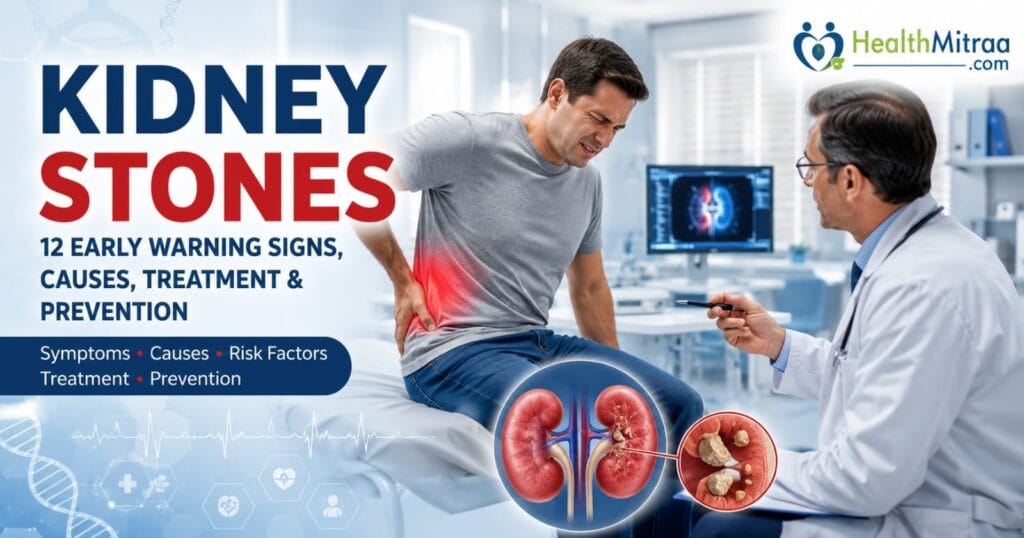
Kidney stones are one of the most common urinary tract problems affecting millions of people worldwide. They can develop silently over time and may not cause any symptoms until they begin moving through the urinary tract. While some kidney stones are small enough to pass naturally, others can cause severe pain and require medical treatment.
Many people ignore the early warning signs, assuming that back pain or discomfort is caused by muscle strain or dehydration. However, recognizing these symptoms early can help prevent serious complications such as urinary tract infections, kidney damage, or blockage of urine flow.
The good news is that most kidney stones can be treated successfully, and many cases can be prevented through healthy lifestyle choices, proper hydration, and dietary changes. In this comprehensive guide, you’ll learn about the 12 early warning signs of kidney stones, their causes, risk factors, diagnosis, treatment, and practical prevention tips to help protect your kidney health.
What Are Kidney Stones?
Kidney stones are hard, crystal-like deposits made of minerals and salts that form inside the kidneys. Normally, urine contains substances that prevent crystals from sticking together. However, when urine becomes highly concentrated—often due to dehydration—these minerals can combine and gradually form stones.
Kidney stones vary in size. Some are as small as a grain of sand and may pass without causing noticeable symptoms, while others can grow much larger and block the urinary tract, leading to intense pain and other complications.
Although kidney stones can affect anyone, they are more common in adults between the ages of 30 and 60. People with a family history of kidney stones or certain medical conditions may have a higher risk.
Types of Kidney Stones
Not all kidney stones are the same. Understanding their type helps doctors recommend the most effective treatment and prevention plan.
Calcium Stones
Calcium stones are the most common type, accounting for nearly 80% of all kidney stones. They usually form from calcium oxalate but may also contain calcium phosphate. A diet high in sodium, dehydration, and certain metabolic disorders can increase the risk.
Uric Acid Stones
These stones develop when urine becomes too acidic. They are more common in people who eat large amounts of red meat or seafood, have gout, or do not drink enough water.
Struvite Stones
Struvite stones often develop after recurrent urinary tract infections (UTIs). They can grow quickly and become quite large if left untreated.
Cystine Stones
Cystine stones are rare and usually occur due to an inherited condition called cystinuria, which causes excessive amounts of the amino acid cystine to enter the urine.
How Do Kidney Stones Form?
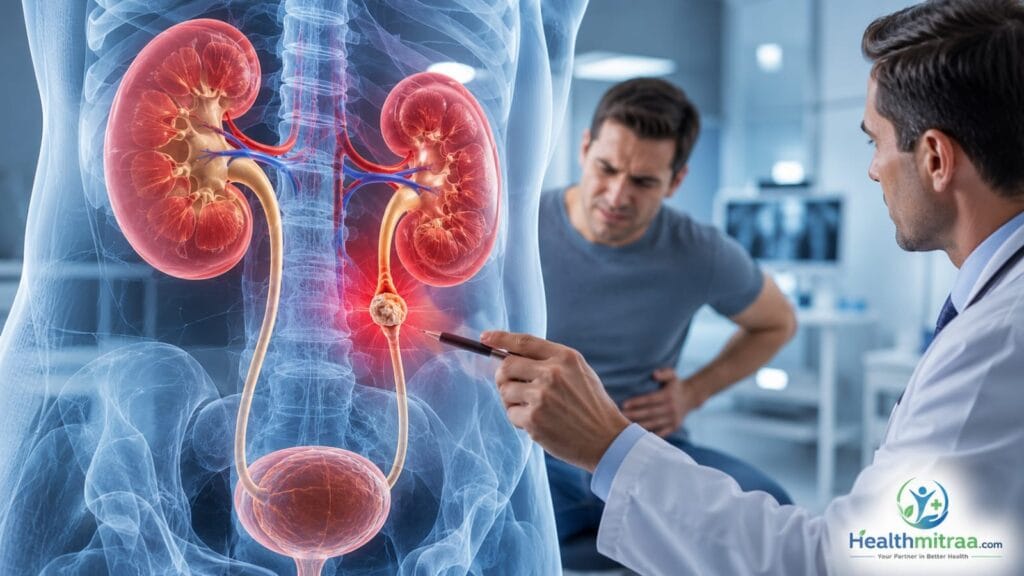
Healthy kidneys filter waste products while maintaining the right balance of water and minerals in the body. When urine contains high levels of minerals such as calcium, oxalate, or uric acid—and there isn’t enough fluid to dilute them—tiny crystals begin to form.
Over time, these crystals join together and gradually grow into kidney stones. The process may take weeks or even months before symptoms appear.
Several factors can contribute to stone formation, including dehydration, high salt intake, obesity, certain medications, digestive disorders, and genetic factors.
12 Early Warning Signs of Kidney Stones

1. Severe Pain in the Side or Back
One of the earliest and most recognizable symptoms of kidney stones is sudden, severe pain in the side, lower back, or below the ribs. This pain, often called renal colic, usually begins when a stone starts moving from the kidney into the ureter.
The pain may come in waves, becoming more intense before easing briefly and then returning again. Many people describe it as one of the most painful experiences they have ever had.
2. Pain That Spreads to the Lower Abdomen or Groin
As the stone moves through the urinary tract, the pain may shift from the back toward the lower abdomen or groin.
The location of the pain often changes depending on where the stone is lodged. This moving pain is a common sign that the stone is traveling through the urinary system.
3. Pain During Urination
When a kidney stone reaches the lower part of the urinary tract, urination may become painful or cause a burning sensation.
Some people mistake this symptom for a urinary tract infection, but kidney stones can produce similar discomfort. If pain while urinating occurs along with severe back pain or blood in the urine, medical evaluation is important.
4. Blood in the Urine
Kidney stones can irritate the delicate lining of the urinary tract, causing small amounts of bleeding.
As a result, urine may appear pink, red, or brown. Sometimes the blood is only visible under a microscope during laboratory testing.
Even a small amount of blood in the urine should never be ignored, as it may indicate kidney stones or another urinary tract condition.
5. Frequent Urge to Urinate
A kidney stone located near the bladder may create the constant feeling that you need to urinate, even when very little urine is produced.
This frequent urge can become uncomfortable and may interfere with daily activities.
6. Cloudy or Foul-Smelling Urine
Healthy urine is usually clear and has only a mild odor. If the urine becomes cloudy, unusually dark, or develops a strong unpleasant smell, it may indicate an infection associated with a kidney stone.
A urinary tract infection combined with a kidney stone requires prompt medical attention to prevent complications.
7. Nausea and Vomiting
Kidney stones can trigger nausea and vomiting, especially when severe pain affects the nerves connected to the digestive system. Some people may lose their appetite or find it difficult to keep food down until the pain is controlled.
If nausea and vomiting occur alongside intense back pain or difficulty urinating, seek medical attention promptly.
8. Fever and Chills
A fever is not a normal symptom of a simple kidney stone. It often indicates that a urinary tract infection has developed along with the stone.
When a kidney stone blocks the flow of urine, bacteria can multiply and lead to a serious kidney infection. Symptoms such as fever, chills, and severe pain require immediate medical care.
9. Difficulty Passing Urine
A larger kidney stone may partially or completely block the urinary tract. As a result, you may notice weak urine flow, difficulty starting urination, or passing only small amounts of urine.
This is a medical emergency if accompanied by severe pain or fever.
10. Sudden, Wave-Like Pain
Unlike muscle pain, kidney stone pain often comes in waves. It may become extremely intense for several minutes, ease slightly, and then return again.
These pain waves occur because the muscles in the ureter contract while trying to push the stone toward the bladder.
11. Restlessness and Inability to Find a Comfortable Position
People experiencing kidney stone pain often find it impossible to sit still. They may constantly change positions, walk around, or bend forward in an attempt to relieve the discomfort.
This restlessness is a classic feature of renal colic.
12. Pain That Becomes Worse Over Time
Pain from kidney stones may begin as mild discomfort but gradually become more severe as the stone moves or blocks urine flow.
If pain continues to worsen instead of improving, it should never be ignored.
What Causes Kidney Stones?
Kidney stones develop when minerals and salts in the urine become highly concentrated and stick together to form crystals.
Common causes include: Dehydration, Drinking too little water, Diet high in salt, Excessive intake of animal protein, Foods high in oxalates, Obesity, Recurrent urinary tract infections, Certain medications, Family history of kidney stones, Medical conditions such as gout or hyperparathyroidism.
Risk Factors for Kidney Stones
Certain factors increase the likelihood of developing kidney stones.
Lifestyle Risk Factors
- Drinking insufficient water
- High-sodium diet, Obesity
- Lack of physical activity
- Excessive consumption of sugary drinks
Medical Risk Factors
Previous kidney stones, Family history, Diabetes, Gout, Digestive disorders, Recurrent urinary tract infections, Understanding these risk factors can help you take preventive steps before stones develop.
How Are Kidney Stones Diagnosed?
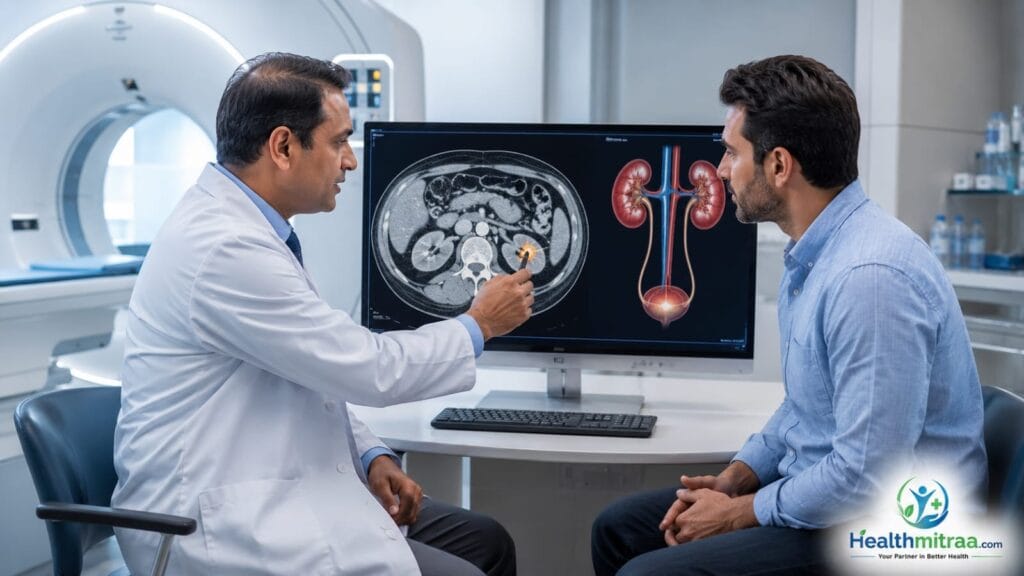
Doctors may recommend one or more of the following tests: Urine analysis, Blood tests, Ultrasound, CT scan, X-ray (in selected cases).
Stone analysis after passing the stone
These tests help determine the stone’s size, location, and type, allowing doctors to choose the most suitable treatment.
Treatment Options for Kidney Stones
Treatment depends on the stone’s size, location, and symptoms.
Small Kidney Stones
Small stones often pass naturally with:. Drinking plenty of water, Pain-relieving medications, Medicines that relax the ureter.
Large Kidney Stones
Larger stones may require: Shock Wave Lithotripsy (SWL), Ureteroscopy, Percutaneous Nephrolithotomy (PCNL), Surgery in rare situations.
The treatment plan should always be decided by a qualified healthcare professional.
How to Prevent Kidney Stones
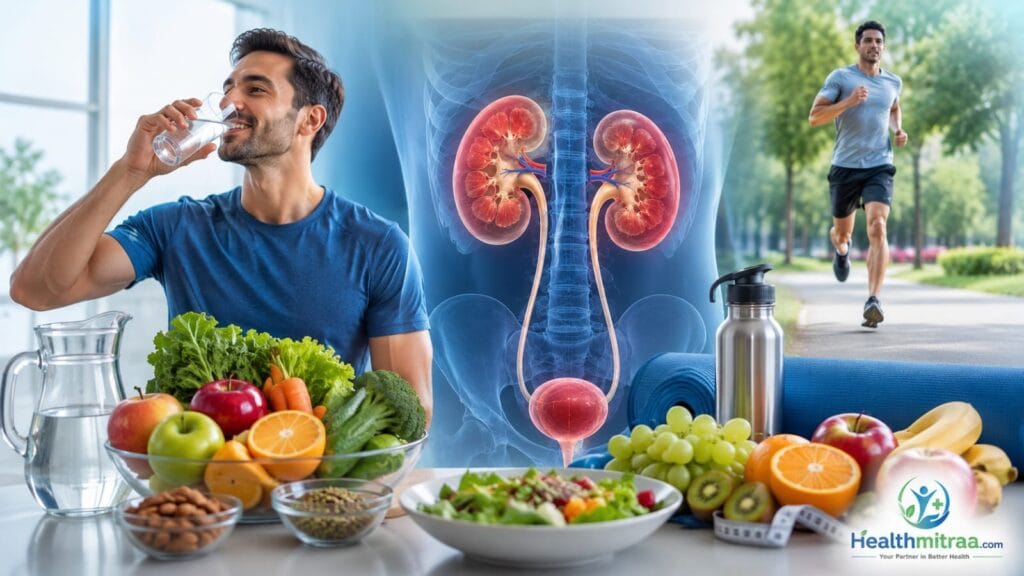
Although not every kidney stone can be prevented, healthy habits greatly reduce the risk.
You can protect your kidneys by:
Drinking 2.5–3 liters of water daily (unless your doctor advises otherwise), Reducing salt intake, Eating a balanced diet, Limiting sugary soft drinks, Maintaining a healthy weight, Staying physically active, Managing diabetes and blood pressure, Following your doctor’s dietary advice if you have had kidney stones before, Simple lifestyle changes can significantly lower the chances of recurrence.
When Should You See a Doctor?
Seek medical attention immediately if you experience:
Severe pain that does not improve, Fever with chills, Blood in the urine, Persistent vomiting, Difficulty passing urine, Severe pain in only one kidney (or if you have a single functioning kidney), Early treatment helps prevent kidney damage and serious infections.
Frequently Asked Questions (FAQs)
Can kidney stones go away on their own?
Yes. Small kidney stones often pass naturally with adequate hydration and supportive treatment. Larger stones may require medical procedures.
How much water should I drink to prevent kidney stones?
Most healthy adults benefit from enough fluid intake to produce pale yellow urine. Your doctor may recommend a specific amount based on your health and stone history.
Can kidney stones come back?
Yes. Once you’ve had a kidney stone, your risk of developing another is higher. Following preventive measures can reduce this risk.
Which foods increase the risk of kidney stones?
Excessive salt, sugary beverages, and large amounts of animal protein may increase the risk in some people. The ideal diet depends on the type of stone.
Key Takeaways
- Kidney stones are common but often preventable.
- Severe side or back pain is one of the earliest warning signs.
- Blood in the urine should never be ignored.
- Drinking enough water is one of the best ways to reduce risk.
- Early diagnosis and treatment help prevent complications.
Conclusion
Kidney stones can cause intense pain and serious complications if left untreated, but recognizing the warning signs early can make a significant difference. Symptoms such as severe back pain, blood in the urine, painful urination, or persistent nausea should never be ignored.
Staying well hydrated, eating a balanced diet, and seeking timely medical care are among the most effective ways to protect your kidney health. If you develop symptoms suggestive of kidney stones, consult a qualified healthcare professional for proper evaluation and treatment.
Sources:
Related Articles:
- Stroke: 10 Early Warning Signs You Should Never Ignore
- Heart Attack: 12 Early Warning Signs You Should Never Ignore
Medical Disclaimer
The information provided in this article is for educational and informational purposes only. It is not intended to replace professional medical advice, diagnosis, or treatment. Always consult a qualified healthcare provider before making any medical decisions or starting a new treatment. If you experience severe or emergency symptoms, seek immediate medical attention.