Introduction
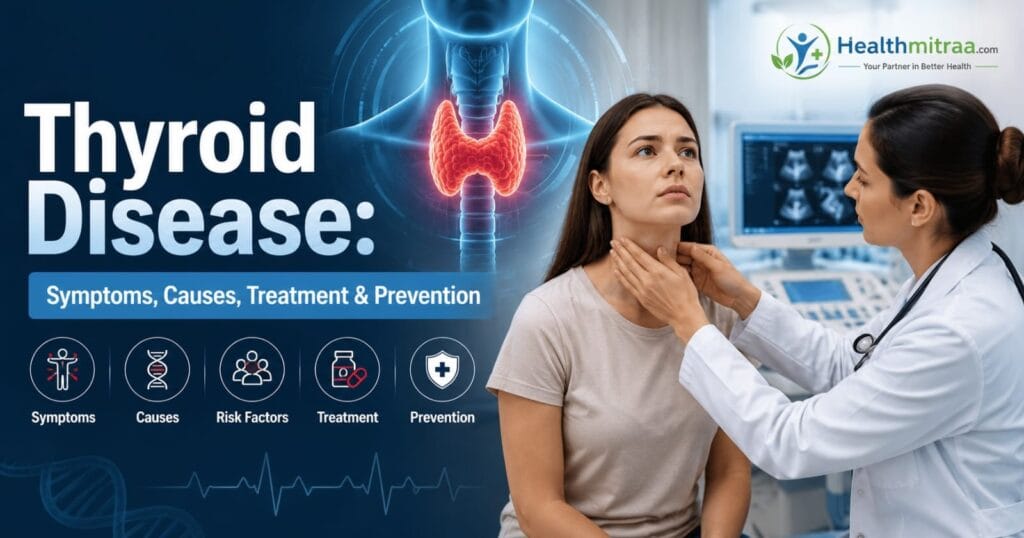
The thyroid is a small, butterfly-shaped gland located at the front of your neck, but its role in your health is much bigger than its size suggests. This gland produces hormones that help regulate your body’s metabolism, heart rate, body temperature, digestion, and energy levels. When the thyroid does not make the right amount of hormones, many parts of the body can be affected.
Thyroid disease is a common health condition that can develop at any age, although it is more frequently diagnosed in women. Some people experience an underactive thyroid, while others have an overactive thyroid. Because the symptoms often develop gradually, thyroid problems may go unnoticed for months or even years.
The good news is that most thyroid disorders can be diagnosed with simple blood tests and managed effectively with appropriate medical care and healthy lifestyle habits. Understanding the early warning signs can help you seek timely medical advice and reduce the risk of complications
Whether you have recently been diagnosed or simply want to learn more about thyroid health, this guide explains everything you need to know in clear, easy-to-understand language.
What Is Thyroid Disease?

The thyroid gland is part of the endocrine system, which produces hormones that control many essential body functions. It mainly releases two hormones—thyroxine (T4) and triiodothyronine (T3). These hormones influence how your body uses energy, how fast your heart beats, and how well many organs function.
Thyroid disease occurs when the gland produces either too much or too little thyroid hormone or develops structural problems such as inflammation, nodules, or enlargement.
When hormone production is too low, the condition is called hypothyroidism. When hormone production is too high, it is known as hyperthyroidism.
Both conditions can affect your overall health if left untreated, but they are usually manageable with proper medical care.
Both conditions can affect your overall health if left untreated, but they are usually manageable with proper medical care.
Types of Thyroid Disorders
Several thyroid disorders exist, but the most common include:
1. Hypothyroidism
Hypothyroidism occurs when the thyroid gland does not produce enough hormones. This slows down many body processes and may cause fatigue, weight gain, dry skin, constipation, depression, and sensitivity to cold.
2. Hyperthyroidism
Hyperthyroidism develops when the thyroid produces excessive hormones. This speeds up the body’s metabolism and may lead to weight loss, rapid heartbeat, anxiety, tremors, excessive sweating, and difficulty sleeping.
3. Goiter
A goiter refers to an enlarged thyroid gland. It may occur even when hormone levels are normal or may be associated with hypo- or hyperthyroidism.
4. Thyroid Nodules
These are lumps that develop inside the thyroid gland. Most are non-cancerous, but some require further evaluation to rule out thyroid cancer.
5. Thyroiditis
Thyroiditis is inflammation of the thyroid gland. Depending on the cause, it may temporarily increase or decrease thyroid hormone production.
Causes of Thyroid Disease
Thyroid disorders can develop for several reasons, including:
- Iodine deficiency or, in some cases, excessive iodine intake
- Thyroid inflammation
- Certain medications
- Radiation therapy involving the neck
- Previous thyroid surgery
- Pregnancy-related hormonal changes
- Family history of thyroid disease
- Rare congenital thyroid disorders
- Autoimmune diseases such as Hashimoto’s thyroiditis and Graves’ disease
Sometimes, the exact cause cannot be identified, and multiple factors may contribute to the condition.

Risk Factors
Certain people have a higher risk of developing thyroid disease than others. Common risk factors include:
- Being female
- Age over 60 years
- Family history of thyroid disorders
- Autoimmune diseases such as type 1 diabetes or rheumatoid arthritis
- Pregnancy or recent childbirth
- Previous thyroid surgery or radiation treatment
- Iodine deficiency
- Smoking (particularly for some thyroid eye conditions)
- Certain medications that affect thyroid function
Having one or more risk factors does not necessarily mean you will develop thyroid disease, but it may increase the likelihood. Regular medical check-ups can help detect thyroid problems early, especially if you have a strong family history or persistent symptoms.
Early Warning Signs of Thyroid Disease
Thyroid disorders often develop gradually, making the early signs easy to overlook. Many people mistake these changes for stress, aging, or a busy lifestyle. Recognizing these warning signs can help you seek medical advice before the condition begins to affect your overall health. Common early warning signs include:
- Unexplained tiredness or low energy
- Sudden weight gain or weight loss without changes in diet
- Feeling unusually sensitive to cold or heat
- Mood changes such as anxiety, irritability, or depression
- Difficulty concentrating or memory problems
- Changes in heart rate, either slower or faster than usual
- Dry skin or excessive sweating
- Hair thinning or increased hair loss
- Swelling at the front of the neck
- Irregular menstrual cycles in women
These symptoms do not always mean you have thyroid disease, but if they continue for several weeks, it is worth discussing them with a healthcare professional.
Symptoms of Thyroid Disease
The symptoms of thyroid disease depend on whether the gland is producing too little hormone (hypothyroidism) or too much hormone (hyperthyroidism).
Symptoms of Hypothyroidism
When thyroid hormone levels are low, the body’s metabolism slows down. Common symptoms include:
- Weight gain despite no major lifestyle changes
- Persistent fatigue
- Feeling cold more often than others
- Dry, rough skin
- Constipation
- Puffy face
- Slow heart rate
- Muscle weakness and cramps
- Joint pain or stiffness
- Hoarse voice
- Depression or low mood
- Difficulty concentrating (“brain fog”)
- Heavy or irregular menstrual periods
- High cholesterol levels
- Brittle nails and thinning hair
These symptoms often develop slowly, which is why many people do not realize they have hypothyroidism until the condition becomes more noticeable.
Symptoms of Hyperthyroidism
Hyperthyroidism causes the body to work faster than normal because of excess thyroid hormone. Common symptoms include:
- Unexplained weight loss
- Rapid or irregular heartbeat
- Feeling nervous, anxious, or restless
- Tremors, especially in the hands
- Increased sweating
- Heat intolerance
- Frequent bowel movements
- Difficulty sleeping
- Increased appetite
- Muscle weakness
- Mood swings
- Thin, fragile skin
- Fine, brittle hair
Some people with hyperthyroidism, especially those with Graves’ disease, may also develop eye symptoms such as redness, irritation, excessive tearing, or bulging eyes.
Symptoms That May Affect Women
Women are more likely than men to develop thyroid disorders. In addition to the general symptoms, they may experience:
- Irregular or heavy menstrual periods
- Difficulty becoming pregnant
- Pregnancy-related complications if thyroid disease is untreated
- Increased hair loss
- Reduced energy levels affecting daily activities
Because these symptoms can overlap with other health conditions, medical evaluation is important.
Symptoms That May Affect Men
Although thyroid disease is less common in men, it can still have a significant impact. Possible symptoms include:
- Reduced muscle strength
- Fatigue that affects work or physical activity
- Low sex drive
- Erectile dysfunction in some cases Mood changes or depression
Men often seek medical care later because symptoms may develop gradually and appear less obvious at first.
When Should You See a Doctor?

You should schedule a medical evaluation if you notice symptoms that persist for several weeks or interfere with your daily life. See a healthcare professional if you have:
- Unexplained weight gain or weight loss
- Ongoing fatigue despite adequate rest
- A lump or swelling in the front of your neck
- Persistent constipation or frequent diarrhea without another clear cause
- A rapid, slow, or irregular heartbeat
- Hair loss combined with other thyroid symptoms
- Menstrual changes that continue for several months
- A strong family history of thyroid disease along with new symptoms
Early diagnosis can help prevent complications and improve quality of life.
When Is It a Medical Emergency?
Although uncommon, certain symptoms require immediate medical attention. Seek emergency care immediately if you experience:
- Severe chest pain
- Difficulty breathing
- Sudden confusion or loss of consciousness
- Very high fever with extreme restlessness or a racing heartbeat
- Severe drowsiness or inability to stay awake
- A rapidly enlarging neck swelling that affects breathing or swallowing
These symptoms may indicate a serious medical condition that requires urgent treatment.
Diagnosis of Thyroid Disease
Doctors diagnose thyroid disease by combining your medical history, physical examination, and laboratory tests.
Medical History
Your doctor will ask about:
- Your symptoms
- Family history of thyroid disorders
- Current medications
- Previous thyroid problems
- Pregnancy history (when applicable)
Physical Examination
During the examination, your healthcare provider may:
- Feel your neck for thyroid enlargement or nodules
- Check your heart rate
- Assess reflexes
- Look for changes in your skin, hair, and eyes
- Evaluate your weight and blood pressure
Blood Tests
Blood tests are the most important step in diagnosing thyroid disease. Common tests include:
- TSH (Thyroid-Stimulating Hormone): Usually the first test used to evaluate thyroid function.
- Free T4: Measures the amount of active thyroid hormone in the blood.
- Free T3: May be recommended in certain situations, especially if hyperthyroidism is suspected.
- Thyroid Antibody Tests: Help identify autoimmune thyroid disorders such as Hashimoto’s thyroiditis or Graves’ disease.
Imaging Tests
If needed, your doctor may recommend:
- Thyroid ultrasound to evaluate nodules or enlargement
- Thyroid scan in selected cases to assess gland function
- Fine-needle aspiration (FNA) biopsy for suspicious thyroid nodules
The choice of tests depends on your symptoms, examination findings, and initial blood test results. Early diagnosis allows appropriate treatment and helps reduce the risk of long-term complications.
Treatment Options for Thyroid Disease
The treatment for thyroid disease depends on the type of thyroid disorder, its severity, your age, overall health, and the underlying cause. The goal is to restore normal thyroid hormone levels, relieve symptoms, and prevent complications.
Treatment for Hypothyroidism
Hypothyroidism is usually managed by replacing the missing thyroid hormone with medication prescribed by a healthcare professional. Regular blood tests are important to monitor thyroid hormone levels and adjust treatment if needed.
Many people need long-term treatment, but with proper monitoring, most can live healthy and active lives.
Treatment for Hyperthyroidism
Treatment for hyperthyroidism aims to reduce the production of excess thyroid hormones. Depending on the individual’s condition, a healthcare provider may recommend:
- Prescription medications to control thyroid hormone production
- Radioactive iodine therapy in selected cases
- Thyroid surgery when other treatments are not suitable or effective
Some people may also receive treatment to help manage symptoms such as a rapid heartbeat while the underlying condition is being treated.
Treatment for Thyroid Nodules and Goiter
Not every thyroid nodule or enlarged thyroid gland requires treatment. Management may include:
- Regular monitoring with physical examinations and ultrasound
- Additional testing if cancer is suspected Surgery if the nodule is large, causes symptoms, or appears suspicious
Your healthcare provider will decide the most appropriate treatment based on the results of your evaluation.
Home Care & Lifestyle Changes
Medical treatment is often the most important part of managing thyroid disease, but healthy lifestyle habits can also support overall well-being.
1. Take Medication as Directed
If your doctor prescribes thyroid medication, take it exactly as instructed. Do not stop or change your treatment without medical advice.
2. Eat a Balanced Diet
A nutritious diet supports overall health and provides essential vitamins and minerals needed for normal body functions.
3. Exercise Regularly
Aim for at least 150 minutes of moderate physical activity each week unless your healthcare provider advises otherwise. Walking, cycling, swimming, and yoga are excellent choices.
4. Get Enough Sleep
Most adults should aim for 7–9 hours of quality sleep each night. Good sleep supports hormone balance and overall health.
5. Manage Stress
Long-term stress may worsen symptoms in some people. Relaxation techniques such as meditation, deep breathing, and mindfulness may help improve emotional well-being.
6. Attend Regular Follow-Up Appointments
Routine blood tests help ensure your thyroid hormone levels remain within the recommended range and allow your healthcare provider to adjust treatment if necessary.
Best Foods to Eat for Thyroid Health

There is no single “thyroid diet,” but eating a balanced variety of nutrient-rich foods supports overall health.
Iodine-Rich Foods. Iodine is needed to produce thyroid hormones. Examples include:
- Iodized salt (used in moderation)
- Fish
- Shrimp
- Dairy products
- Eggs
People with certain thyroid conditions should not increase iodine intake unless advised by a healthcare professional.
Selenium-Rich Foods. Selenium plays an important role in thyroid hormone metabolism. Good sources include:
- Brazil nuts (in small amounts)
- Tuna
- Sardines
- Eggs
- Sunflower seeds
Zinc-Rich Foods Zinc supports many body functions, including immune health. Examples include:
- Lean meat
- Pumpkin seeds
- Chickpeas
- Lentils
- Cashews
Protein-Rich Foods Protein helps maintain muscle strength and supports overall health. Healthy options include:
- Skinless chicken
- Fish
- Beans
- Lentils
- Greek yogurt
- Tofu
Fruits and Vegetables A colorful variety of fruits and vegetables provides vitamins, minerals, fiber, and antioxidants that support general health.
Foods to Avoid or Limit
Most people with thyroid disease do not need to avoid specific foods completely. However, certain foods and habits may require attention. These include:
- Highly processed foods
- Sugary drinks
- Excessive fast food
- Foods high in saturated and trans fats
- Excess alcohol
- Smoking
If you have an individual dietary concern, seek advice from a qualified healthcare professional or registered dietitian instead of following restrictive diets promoted online.
Prevention Tips:
Not all thyroid disorders can be prevented, especially those caused by autoimmune diseases. However, certain healthy habits may reduce risk and support thyroid health. Helpful tips include:
- Eat a balanced diet with adequate iodine, but avoid excessive supplementation unless recommended.
- Stay physically active.
- Maintain a healthy body weight.
- Avoid smoking.
- Attend regular health check-ups if you have a family history of thyroid disease.
- Follow your healthcare provider’s advice during pregnancy if thyroid problems are present.
- Seek medical evaluation if you notice persistent symptoms such as unexplained fatigue, weight changes, or neck swelling.
Early diagnosis and timely treatment remain the best ways to prevent complications.
Possible Complications:
If thyroid disease is left untreated, it may lead to serious health problems. Possible complications of hypothyroidism include:
- High cholesterol
- Heart disease
- Infertility
- Peripheral nerve damage
- Myxedema (a rare but life-threatening complication)
Possible complications of hyperthyroidism include:
- Irregular heartbeat (artial fibrillation)
- Heart failure in severe cases
- Osteoporosis
- Vision problems associated with Graves’ disease
- Thyroid storm, a rare medical emergency requiring immediate treatment
The risk of these complications can usually be reduced through early diagnosis, regular follow-up, and appropriate medical care.
Frequently Asked Questions (FAQs)
1. What are the first signs of thyroid disease?
Early signs of thyroid disease may include persistent fatigue, unexplained weight changes, sensitivity to cold or heat, hair loss, mood changes, dry skin, and changes in heart rate. Because these symptoms often develop gradually, they can be mistaken for other health conditions.
2. Can thyroid disease be cured?
Some thyroid disorders are temporary, while others require long-term management. With proper diagnosis, regular follow-up, and appropriate treatment, most people with thyroid disease can lead healthy, active lives.
3. Is thyroid disease more common in women?
Yes. Thyroid disorders are significantly more common in women than in men. Hormonal changes during pregnancy, after childbirth, and around menopause may increase the risk of certain thyroid conditions.
4. Which foods are good for thyroid health?
A balanced diet that includes iodine in recommended amounts, lean protein, fruits, vegetables, whole grains, selenium-rich foods, and zinc-rich foods can support overall thyroid health. Dietary needs may vary depending on the specific thyroid condition, so individualized advice from a healthcare professional is important.
5. When should I get tested for thyroid disease?
You should consider seeing a healthcare professional if you experience persistent symptoms such as unexplained fatigue, weight gain or weight loss, neck swelling, irregular heartbeat, hair loss, or mood changes. People with a family history of thyroid disease or other autoimmune disorders may also benefit from medical evaluation if symptoms develop.
Key Takeaways:
- The thyroid is a small gland that plays a major role in regulating metabolism, energy production, heart rate, and body temperature.
- The two most common thyroid disorders are hypothyroidism (underactive thyroid) and hyperthyroidism (overactive thyroid).
- Early symptoms can include fatigue, weight changes, mood changes, hair loss, dry skin, and changes in heart rate.
- Blood tests such as TSH and Free T4 are commonly used to diagnose thyroid disease.
- Treatment depends on the underlying cause and should always be guided by a qualified healthcare professional.
- A healthy lifestyle, balanced diet, regular exercise, and routine medical follow-up can help support overall thyroid health.
- Early diagnosis and timely treatment can reduce the risk of long-term complications.
Conclusion:
Thyroid disease is a common but manageable health condition that can affect many parts of the body. Because its symptoms often develop slowly, recognizing the early warning signs is essential for timely diagnosis and treatment.
Whether the thyroid is underactive or overactive, appropriate medical care can help restore hormone balance, improve symptoms, and reduce the risk of complications. Along with following your healthcare provider’s recommendations, maintaining a healthy lifestyle, eating a balanced diet, staying physically active and attending regular follow-up appointments can support long-term thyroid health.
If you notice persistent symptoms such as unexplained fatigue, significant weight changes, neck swelling, or changes in your heartbeat, do not ignore them. Seeking medical advice early can make a meaningful difference in your overall health and quality of life.
Sources:
Explore Articles:
- High Cholesterol: 10 Warning signs, Causes, Symptoms & Treatment
- Fatty Liver: Symptoms, Causes, Stages, Treatment & Prevention
Medical Disclaimer:
This article is intended for educational and informational purposes only. It is not a substitute for professional medical advice, diagnosis, or treatment. Never ignore or delay seeking medical advice because of information you have read online.
If you have symptoms that may suggest thyroid disease or any other medical condition, consult a qualified healthcare professional for a proper evaluation and personalized treatment plan. In case of severe symptoms such as chest pain, difficulty breathing, loss of consciousness, or a rapidly enlarging neck swelling that interferes with breathing or swallowing, seek emergency medical care immediately.