Introduction
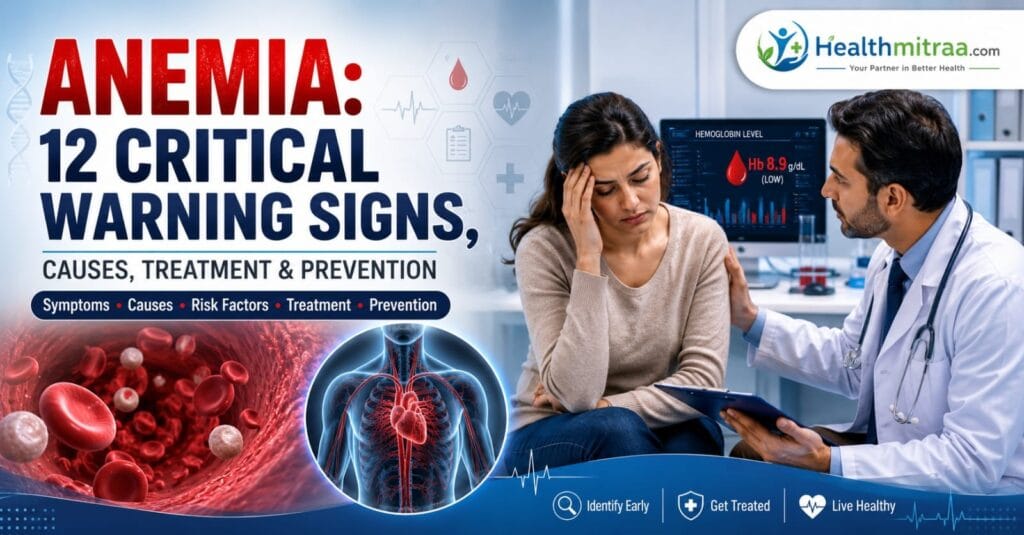
Anemia is one of the most common blood disorders, affecting millions of people worldwide. It occurs when your body does not have enough healthy red blood cells or hemoglobin to carry sufficient oxygen to your organs and tissues. Without enough oxygen, your body cannot function efficiently, often leading to fatigue, weakness, and reduced physical performance.
Although iron deficiency can affect anyone, it is more common in women, children, older adults, and people with certain chronic health conditions. The symptoms often develop gradually, making them easy to ignore. Many people assume that constant tiredness or dizziness is simply due to stress, lack of sleep, or a busy lifestyle, when it may actually be a warning sign of iron deficiency.
The good news is that iron deficiency is often preventable and treatable once the underlying cause is identified. Early diagnosis and proper treatment can improve your energy levels, support overall health, and help prevent serious complications.
In this comprehensive guide, you’ll learn about the 12 critical warning signs of iron deficiency, its common causes, different types, risk factors, diagnosis, treatment options, the best foods for improving iron levels, prevention tips, and when it’s important to seek medical attention. Understanding these early warning signs can help you take timely action and protect your long-term health.
What Is Anemia?
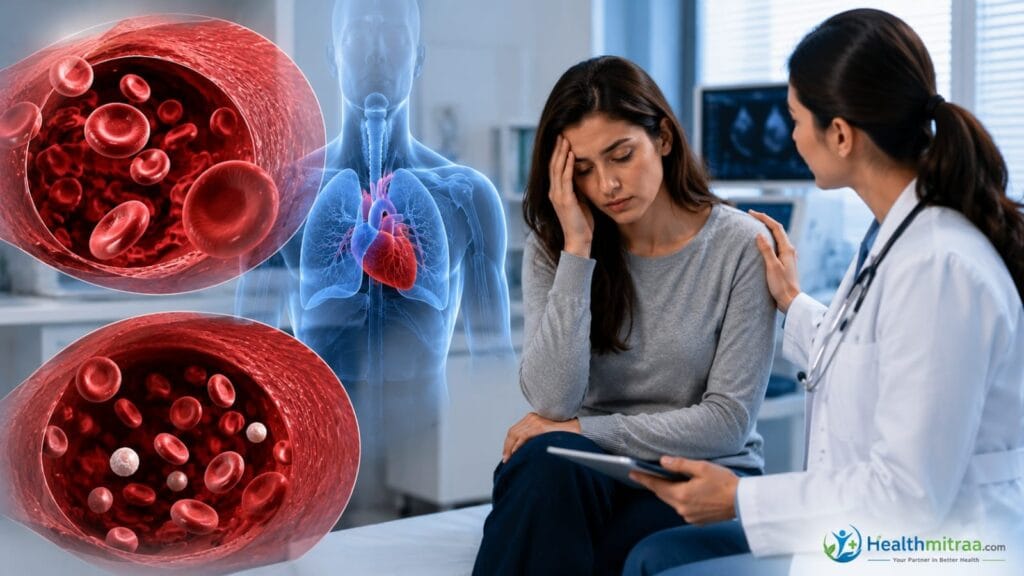
Anemia is a condition in which your body does not have enough healthy red blood cells or hemoglobin to carry oxygen to different parts of the body. Hemoglobin is an iron-rich protein found inside red blood cells that helps transport oxygen from your lungs to your organs and tissues.
When your hemoglobin levels become too low, your body receives less oxygen than it needs. As a result, you may feel tired, weak, dizzy, or short of breath, even while doing simple daily activities.
iron deficiency is not a disease itself but a sign that something in the body is affecting the production or survival of red blood cells. It can develop due to iron deficiency, vitamin B12 or folate deficiency, blood loss, chronic diseases, or inherited blood disorders.
The severity of iron deficiency can range from mild to severe. While some people may have few or no symptoms, others may experience noticeable health problems that require medical attention. Fortunately, most types of anemia can be diagnosed with simple blood tests and treated effectively once the underlying cause is identified.
Types of Anemia
Anemia is not a single condition. There are several types of iron deficiency, and each has a different cause. Understanding the different types can help doctors identify the underlying problem and choose the most appropriate treatment.
1. Iron-Deficiency Anemia
Iron-deficiency is the most common type of anemia. It occurs when your body does not have enough iron to produce adequate hemoglobin. Poor diet, blood loss, pregnancy, or difficulty absorbing iron are common causes.
2. Vitamin B12 Deficiency Anemia
This type develops when your body lacks enough vitamin B12 to produce healthy red blood cells. It may occur due to a poor diet, digestive disorders, or problems absorbing vitamin B12 from food.
3. Folate Deficiency Anemia
Folate (vitamin B9) is essential for the production of healthy red blood cells. A lack of folate in your diet, certain medications, or digestive conditions can lead to this type of iron deficiency.
4. Aplastic Anemia
Aplastic iron deficiency is a rare but serious condition in which the bone marrow does not produce enough blood cells. It may be caused by autoimmune diseases, infections, certain medications, or exposure to harmful chemicals.
5. Hemolytic Anemia
Hemolytic anemia occurs when red blood cells are destroyed faster than the body can replace them. It can result from inherited conditions, infections, autoimmune diseases, or certain medications.
6. Sickle Cell Anemia
Sickle cell anemia is an inherited blood disorder in which red blood cells become sickle-shaped instead of round. These abnormal cells can block blood flow, causing pain, low hemoglobin, and other serious complications.
12 Critical Warning Signs of Anemia
The symptoms of anemia can vary depending on its cause and severity. Some people experience only mild symptoms, while others may notice signs that gradually become worse over time. Because these symptoms often develop slowly, they are easy to overlook or mistake for everyday tiredness.
Recognizing the early warning signs can help you seek medical advice before the condition becomes severe. Below are the 12 most common warning signs of what they may indicate.
1. Persistent Fatigue
Feeling tired all the time is one of the earliest and most common signs. When your body does not receive enough oxygen, your muscles and organs have to work harder to perform everyday tasks, leaving you feeling exhausted even after getting enough rest.
If you continue to experience unusual fatigue that does not improve with sleep or relaxation, it may be worth discussing your symptoms with a healthcare provider.
2. Weakness
People often feel physically weak because their muscles receive less oxygen than they need. Simple activities such as climbing stairs, carrying groceries, or walking short distances may become more difficult than usual.
Persistent weakness that interferes with your daily routine should not be ignored, especially if it is accompanied by other symptoms.
3. Pale Skin
Pale or unusually light-colored skin is another common warning sign. Low hemoglobin levels reduce the amount of oxygen-rich blood reaching the skin, making it appear paler than normal.
In some people, paleness may also be noticeable inside the lower eyelids, on the gums, or on the nails.
4. Shortness of Breath
If you become short of breath while walking, climbing stairs, or doing activities that were once easy, anemia could be the reason. With lower hemoglobin levels, your body receives less oxygen, causing you to breathe faster in an attempt to meet your oxygen needs.
Occasional breathlessness after intense exercise is normal. However, if you experience shortness of breath during routine daily activities, it should not be ignored.
5. Dizziness or Lightheadedness
Anemia can reduce the amount of oxygen reaching your brain, making you feel dizzy or lightheaded. Some people may notice these symptoms when standing up quickly, while others may experience them throughout the day.
Severe may even increase the risk of fainting. If dizziness is frequent or accompanied by other symptoms, it is important to seek medical advice.
6. Frequent Headaches
Frequent headaches can also be an early warning sign. When the brain does not receive enough oxygen, blood vessels may respond in ways that trigger headaches.
Although headaches have many possible causes, recurring headaches along with fatigue, weakness, or pale skin may indicate anemia and should be evaluated by a healthcare professional.
7. Cold Hands and Feet
People often notice that their hands and feet feel cold, even when the weather is not particularly cold. This happens because the body gives priority to supplying oxygen-rich blood to vital organs, reducing blood flow to the hands and feet.
If you frequently experience cold extremities along with fatigue or weakness, may be one of the possible causes.
8. Rapid or Irregular Heartbeat
When your body does not receive enough oxygen, your heart has to work harder to deliver oxygen-rich blood throughout the body. As a result, you may notice a fast, pounding, or irregular heartbeat, especially during physical activity.
If you experience persistent heart palpitations, chest discomfort, or an unusually fast heartbeat, seek medical evaluation promptly, as severe can put extra strain on the heart.
9. Brittle Nails and Hair Loss
Iron-deficiency can affect the health of your hair and nails. Some people develop brittle or spoon-shaped nails, while others notice increased hair shedding or thinning.
Although hair loss and brittle nails can have many causes, these changes may be linked to anemia when they occur along with other common symptoms.
10. Poor Concentration and Difficulty Focusing
Anemia can reduce the amount of oxygen reaching your brain, making it harder to concentrate or stay mentally alert. Many people with iron deficiency find it difficult to focus on work, studies, or even simple daily tasks.
If you often experience brain fog, forgetfulness, or trouble concentrating along with other symptoms of anemia, it is important to discuss these concerns with a healthcare provider.
11. Chest Pain
In more severe cases, iron deficiency can cause chest pain because the heart has to work much harder to supply oxygen throughout the body. This extra strain may reduce the amount of oxygen reaching the heart muscle, especially in people with existing heart disease.
Chest pain should never be ignored. If you experience sudden or severe chest pain, seek immediate medical attention.
12. Fainting or Feeling Like You Might Pass Out
Severe anemia can significantly reduce oxygen delivery to the brain, increasing the risk of fainting or feeling as though you are about to lose consciousness. This symptom is more likely to occur during physical activity or when standing up suddenly.
Fainting is a serious warning sign that requires prompt medical evaluation. Early diagnosis and treatment can help prevent complications and improve overall health.
What Causes Anemia?
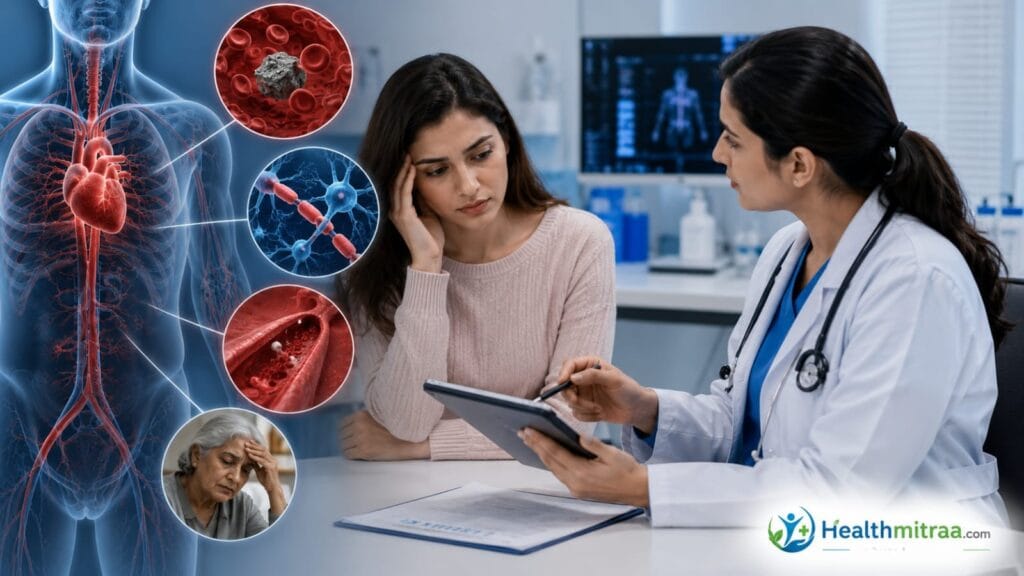
Anemia can develop for many different reasons, but it usually occurs when the body does not produce enough healthy red blood cells, loses too much blood, or destroys red blood cells faster than it can replace them. Identifying the underlying cause is essential because the treatment depends on what is causing the condition.
The most common causes of iron deficiency include:
1. Iron Deficiency
Iron deficiency is the leading cause of anemia worldwide. Your body needs iron to make hemoglobin, the protein in red blood cells that carries oxygen. A diet low in iron, poor iron absorption, or long-term blood loss can lead to iron-deficiency anemia.
2. Vitamin B12 or Folate Deficiency
Vitamin B12 and folate are essential for producing healthy red blood cells. A lack of these nutrients due to poor diet or digestive disorders can result in iron deficiency.
3. Blood Loss
Significant blood loss can reduce the number of red blood cells in the body. Common causes include heavy menstrual bleeding, stomach ulcers, gastrointestinal bleeding, surgery, or serious injuries.
4. Chronic Diseases
Certain long-term medical conditions, such as chronic kidney disease, cancer, rheumatoid arthritis, and inflammatory disorders, can interfere with the body’s ability to produce healthy red blood cells.
5. Bone Marrow Disorders
Conditions that affect the bone marrow, such as aplastic iron deficiency, leukemia, or myelodysplastic syndromes, can reduce blood cell production and lead to anemia.
6. Inherited Blood Disorders
Some people are born with genetic conditions such as sickle cell anemia or thalassemia, which affect the structure or production of red blood cells and cause lifelong anemia.
Risk Factors for Anemia
Anyone can develop anemia, but certain factors can increase the risk. Knowing these risk factors can help you take preventive steps and seek medical advice if needed.
1. Poor Diet
A diet low in iron, vitamin B12, or folate can reduce your body’s ability to produce healthy red blood cells. People who eat limited amounts of nutrient-rich foods may have a higher risk of developing anemia.
2. Heavy Menstrual Bleeding
Women with heavy or prolonged menstrual periods lose more blood each month, increasing their risk of iron-deficiency anemia.
3. Pregnancy
During pregnancy, the body requires more iron and vitamins to support the growing baby. Without proper nutrition or supplements, pregnant women are more likely to develop iron deficiency.
4. Chronic Health Conditions
Long-term conditions such as chronic kidney disease, inflammatory bowel disease, cancer, rheumatoid arthritis, and other chronic illnesses can interfere with red blood cell production and increase the risk of anemia.
5. Digestive Disorders
Conditions such as celiac disease, Crohn’s disease, or previous stomach surgery can reduce the body’s ability to absorb iron, vitamin B12, and folate, leading to nutritional deficiencies.
6. Family History
Some inherited blood disorders, including sickle cell iron deficiency and thalassemia, run in families. If you have a family history of these conditions, your risk of developing anemia may be higher.
7. Older Age
Older adults are more likely to develop anemia due to nutritional deficiencies, chronic diseases, or reduced absorption of essential vitamins and minerals.
8. Certain Medications
Some medications may affect red blood cell production, increase the risk of bleeding, or reduce nutrient absorption, which can contribute to anemia in some individuals.
How Is Anemia Diagnosed?
Diagnosing iron deficiency usually begins with a physical examination and a review of your medical history. Your healthcare provider will ask about your symptoms, eating habits, medications, family history, and any recent blood loss to identify possible causes.
To confirm the diagnosis, your doctor may recommend one or more of the following tests:
1. Complete Blood Count (CBC)
A Complete Blood Count (CBC) is the most common test used to diagnose anemia. It measures hemoglobin levels, red blood cell count, hematocrit, and other blood components to determine whether anemia is present and how severe it is.
2. Iron Studies
Iron studies help measure the amount of iron stored in your body. These tests may include serum iron, ferritin, transferrin saturation, and total iron-binding capacity (TIBC) to identify iron-deficiency anemia.
3. Vitamin B12 and Folate Tests
If your doctor suspects a vitamin deficiency, blood tests may be performed to measure vitamin B12 and folate levels. Low levels of these nutrients can lead to certain types of anemia.
4. Reticulocyte Count
A reticulocyte count measures the number of young red blood cells produced by your bone marrow. This test helps determine whether your body is making enough new red blood cells.
5. Additional Tests
Depending on the suspected cause, your doctor may recommend additional tests such as kidney function tests, stool tests for hidden blood, bone marrow examination, or other specialized investigations to identify the underlying condition.
Early diagnosis is important because it allows treatment to begin before anemia leads to serious complications. If you experience persistent fatigue, weakness, dizziness, or other symptoms of anemia, consult a healthcare professional for proper evaluation.
Anemia Treatment Options
The treatment for anemia depends on its underlying cause. In many cases, anemia can be treated successfully once the reason behind it is identified. Your healthcare provider will recommend the most appropriate treatment based on your symptoms, blood test results, and overall health.
1. Iron Supplements
If anemia is caused by iron deficiency, your doctor may recommend iron supplements to help increase hemoglobin levels. These supplements should only be taken as directed by a healthcare professional, as excessive iron intake can be harmful.
2. Vitamin B12 or Folate Supplements
People with vitamin B12 or folate deficiency anemia may need dietary changes, oral supplements, or vitamin B12 injections, depending on the severity of the deficiency and its underlying cause.
3. Treating the Underlying Cause
When anemia results from chronic diseases, internal bleeding, digestive disorders, or other medical conditions, treating the underlying problem is an important part of recovery. Without addressing the root cause, anemia may continue to return.
4. Blood Transfusion
In severe cases of anemia, especially when hemoglobin levels are dangerously low or symptoms are life-threatening, a blood transfusion may be required. This treatment is usually performed in a hospital under close medical supervision.
5. Bone Marrow or Specialized Treatments
Certain rare types of anemia, such as aplastic anemia or inherited blood disorders, may require specialized treatments, including medications, immunotherapy, or bone marrow transplantation.
Never start iron supplements or other treatments without medical advice. Since different types of anemia require different treatments, proper diagnosis is essential before beginning any therapy.
Best Foods for Anemia
A healthy and balanced diet plays an important role in preventing and managing anemia. While food alone may not cure every type of anemia, eating nutrient-rich foods can help your body produce healthy red blood cells and maintain normal hemoglobin levels. If anemia is caused by iron, vitamin B12, or folate deficiency, improving your diet can support recovery alongside the treatment recommended by your healthcare provider.
Iron-rich foods are especially important because iron is needed to make hemoglobin. Good dietary sources include lean red meat, poultry, fish, spinach, lentils, beans, chickpeas, tofu, pumpkin seeds, and iron-fortified cereals. Including these foods regularly may help improve iron levels over time.
Vitamin C also plays an important role because it helps your body absorb iron more effectively. Eating oranges, lemons, strawberries, kiwi, tomatoes, bell peppers, or broccoli along with iron-rich foods can increase iron absorption.
Vitamin B12 and folate are also essential for healthy red blood cell production. Foods such as eggs, dairy products, fish, poultry, leafy green vegetables, avocados, beans, and fortified cereals provide these important nutrients and help support overall blood health.
If you suspect that your diet is contributing to anemia, speak with a healthcare professional or a registered dietitian before making major dietary changes or starting supplements. A balanced eating plan combined with appropriate medical care offers the best approach for preventing and managing anemia.
How to Prevent Anemia
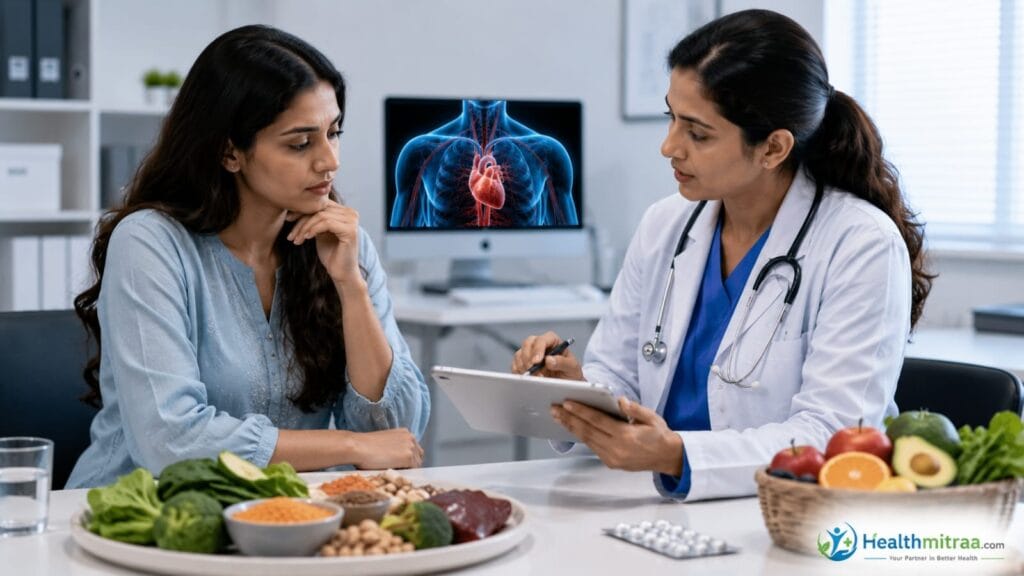
Although not every type of anemia can be prevented, many cases can be avoided by maintaining a healthy lifestyle and eating a well-balanced diet. Taking simple preventive steps can help support healthy red blood cell production and reduce the risk of nutritional deficiencies.
Eating foods rich in iron, vitamin B12, folate, and vitamin C is one of the best ways to maintain healthy hemoglobin levels. A balanced diet that includes leafy green vegetables, beans, lentils, lean meats, fish, eggs, dairy products, fruits, and whole grains provides many of the nutrients your body needs for healthy blood production.
If you have heavy menstrual bleeding, digestive disorders, or other medical conditions that increase your risk of anemia, regular medical checkups can help detect problems early. Your healthcare provider may recommend blood tests to monitor your hemoglobin and iron levels when necessary.
Avoid taking iron supplements without medical advice. Too much iron can be harmful and may lead to serious health problems. Supplements should only be used when recommended by a qualified healthcare professional after proper evaluation.
Staying physically active, managing chronic health conditions, and following your doctor’s treatment plan can also help reduce the risk of anemia. If you notice ongoing fatigue, weakness, dizziness, or other symptoms, seek medical attention rather than ignoring them. Early diagnosis and timely treatment remain the most effective ways to prevent complications associated with anemia.
When Should You See a Doctor?
While mild anemia may not always cause noticeable symptoms, persistent fatigue, weakness, dizziness, or shortness of breath should never be ignored. If these symptoms continue for several days or begin to interfere with your daily activities, it is important to consult a healthcare professional for proper evaluation.
You should also seek medical advice if you notice pale skin, frequent headaches, a rapid heartbeat, or unexplained hair loss and brittle nails. These symptoms may indicate anemia or another underlying medical condition that requires timely diagnosis.
Immediate medical attention is necessary if you experience severe chest pain, fainting, difficulty breathing at rest, or signs of significant blood loss, such as vomiting blood or passing black or bloody stools. These symptoms may indicate severe anemia or another serious health problem that requires urgent treatment.
Early diagnosis allows the underlying cause of anemia to be identified and treated before complications develop. If you think you may have anemia, avoid self-diagnosing or taking iron supplements without medical advice. A simple blood test can often confirm the condition and help your healthcare provider recommend the most appropriate treatment.
Frequently Asked Questions (FAQs) About Anemia
1. What is the most common cause of anemia?
Iron deficiency is the most common cause of anemia worldwide. It usually occurs when the body does not have enough iron to produce sufficient hemoglobin for healthy red blood cells.
2. Can anemia go away on its own?
It depends on the underlying cause. Mild anemia caused by temporary nutritional deficiencies may improve with proper diet and treatment, while other types require medical care and long-term management.
3. What foods are best for anemia?
Iron-rich foods such as lean meat, fish, spinach, lentils, beans, and fortified cereals are beneficial. Foods rich in vitamin C, vitamin B12, and folate also support healthy red blood cell production.
4. Is anemia a serious condition?
Mild anemia is often treatable, but severe or untreated anemia can lead to serious health complications, including heart problems and reduced oxygen supply to vital organs. Early diagnosis and treatment are important.
5. How is anemia diagnosed?
Doctors usually diagnose anemia with a Complete Blood Count (CBC) and other blood tests that measure hemoglobin, iron, vitamin B12, and folate levels. Additional tests may be needed to identify the underlying cause.
6. Can children and older adults develop anemia?
Yes. Anemia can affect people of all ages. Children, pregnant women, older adults, and individuals with chronic medical conditions are among those at higher risk.
Key Takeaways
Anemia is a common blood condition that occurs when your body does not have enough healthy red blood cells or hemoglobin to carry oxygen efficiently. Although fatigue is the most recognized symptom, anemia can also cause weakness, pale skin, dizziness, shortness of breath, headaches, and several other warning signs that should not be ignored.
Fortunately, most types of anemia can be diagnosed with simple blood tests and treated successfully once the underlying cause is identified. Eating a balanced diet rich in iron, vitamin B12, folate, and vitamin C, along with regular medical checkups, can help reduce your risk of developing anemia.
If you experience persistent symptoms or suspect you may have anemia, consult a qualified healthcare professional for proper evaluation and treatment. Early diagnosis can help prevent complications and improve your overall quality of life.
Conclusion
iron deficiency is more than just feeling tired—it is a condition that can affect your overall health and daily life if left untreated. Recognizing the early warning signs and understanding the possible causes can help you seek medical care before the condition becomes more serious.
Whether anemia is caused by iron deficiency, vitamin deficiencies, chronic diseases, or inherited disorders, timely diagnosis and appropriate treatment can make a significant difference. Following a healthy lifestyle, eating a nutrient-rich diet, and keeping up with regular health checkups are simple but effective ways to support healthy blood production.
If you notice ongoing fatigue, weakness, dizziness, or any other symptoms discussed in this article, do not ignore them. Speak with a healthcare professional for proper testing and personalized treatment. Taking action early is the best way to protect your health and prevent long-term complications.
Sources:
Explore More:
- Thyroid Disease: 12 Warning Signs, Causes, Treatment & Prevention
- Heart Attack: 12 Early Warning Signs You Should Never Ignore
- High Cholesterol: 10 Warning signs, Causes, Symptoms & Treatment
Medical Disclaimer
This article is intended for educational and informational purposes only and should not be considered a substitute for professional medical advice, diagnosis, or treatment. Always consult a qualified healthcare provider regarding any medical concerns or before making changes to your diet, medications, or treatment plan. Never ignore or delay seeking professional medical advice because of information you have read in this article.