What Is Vitamin D Deficiency?
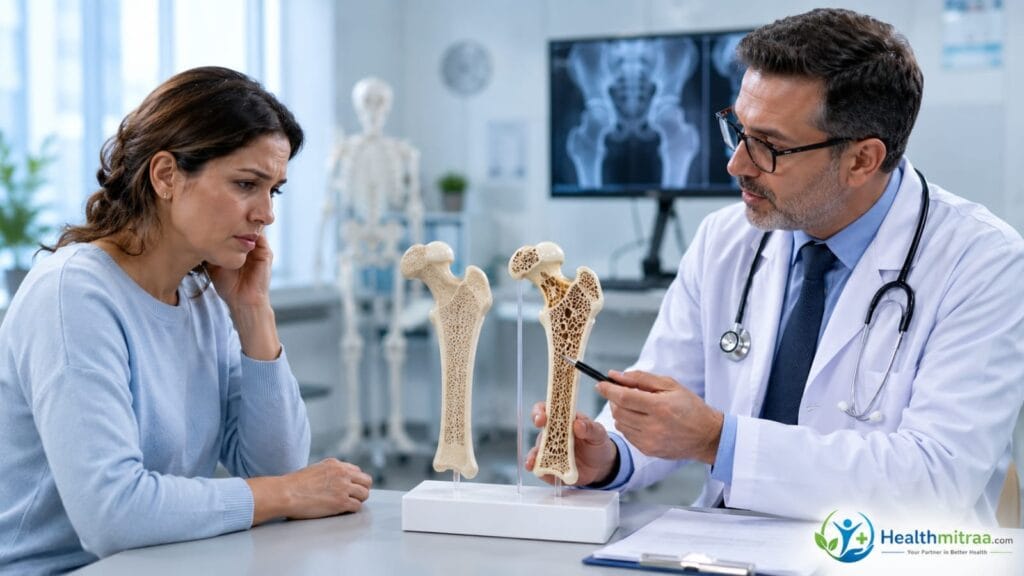
Vitamin D deficiency occurs when your body does not have enough vitamin D to support normal health and body functions. Often called the “sunshine vitamin,” vitamin D helps your body absorb calcium, maintain strong bones and teeth, support muscle function, and keep your immune system healthy.
Many people have low vitamin D levels without realizing it because the symptoms often develop slowly. Feeling tired all the time, muscle weakness, bone pain, or getting sick frequently can sometimes be early signs of vitamin D deficiency.
Your body naturally produces vitamin D when your skin is exposed to sunlight. You can also get it from foods such as fatty fish, egg yolks, fortified milk, and breakfast cereals. However, many people do not get enough vitamin D from sunlight and diet alone.
Vitamin D deficiency can affect anyone, but it is more common in older adults, people who spend little time outdoors, individuals with darker skin, people who are overweight, and those with certain medical conditions that reduce vitamin D absorption.
T
15 Warning Signs of Vitamin D Deficiency

Vitamin D deficiency can affect many parts of the body, and its symptoms often develop gradually. While some people have no noticeable symptoms, others may experience signs that interfere with their daily life. Here are 15 common warning signs to watch for.
1. Constant Fatigue
Feeling tired or lacking energy throughout the day, even after getting enough sleep, may be linked to low vitamin D levels.
2. Bone Pain
Vitamin D is essential for bone health. A deficiency can cause aching or pain in the bones, especially in the back, hips, ribs, or legs.
3. Muscle Weakness
Weak or tired muscles can make everyday activities like climbing stairs, lifting objects, or walking more difficult.
4. Frequent Illnesses
Vitamin D supports the immune system. People with low vitamin D may catch colds, flu, or other infections more often.
5. Slow Wound Healing
Cuts, bruises, or surgical wounds that take longer than usual to heal may be associated with vitamin D deficiency.
6. Hair Loss
Although hair loss can have many causes, low vitamin D levels may contribute to excessive hair shedding in some people.
7. Low Mood or Depression
Some studies suggest that vitamin D deficiency may increase the risk of mood changes, anxiety, or depression, especially during months with limited sunlight.
8. Bone Fractures
Weak bones caused by long-term vitamin D deficiency can increase the risk of fractures, even after minor injuries.
9. Back Pain
Persistent lower back pain may sometimes be related to poor bone health caused by insufficient vitamin D.
10. Joint Pain
Some people with vitamin D deficiency experience ongoing joint discomfort or stiffness that affects daily movement.
11. Difficulty Climbing Stairs
Muscle weakness in the legs may make climbing stairs or standing up from a chair more challenging.
12. Poor Balance
Low vitamin D levels can affect muscle strength and balance, increasing the risk of falls, especially in older adults.
13. Frequent Muscle Cramps
Painful muscle cramps or spasms, particularly in the legs, may occur when vitamin D levels are too low.
14. Weak Teeth
Vitamin D helps the body absorb calcium. A deficiency may contribute to weak teeth and other dental problems.
15. Reduced Physical Performance
People with vitamin D deficiency may notice decreased stamina, slower recovery after exercise, and difficulty performing routine physical activities.
If you experience several of these symptoms, consult a healthcare provider. A simple blood test can determine your vitamin D level and help identify the underlying cause.
What Causes Vitamin D Deficiency?

Vitamin D deficiency can develop for several reasons. In many cases, more than one factor is responsible for low vitamin D levels. Understanding the cause can help you choose the most effective treatment and prevent the deficiency from returning.
Limited Sun Exposure
Your skin produces vitamin D when exposed to sunlight. Spending most of your time indoors, wearing clothing that covers most of your skin, or regularly using high-SPF sunscreen can reduce vitamin D production.
Poor Dietary Intake
Very few foods naturally contain vitamin D. A diet low in fatty fish, egg yolks, fortified dairy products, or fortified cereals may increase the risk of deficiency.
Darker Skin Tone
People with darker skin have more melanin, which reduces the skin’s ability to produce vitamin D from sunlight. As a result, they may need longer sun exposure to maintain healthy vitamin D levels.
Aging
As people get older, their skin becomes less efficient at producing vitamin D. Older adults are also more likely to spend less time outdoors, increasing the risk of deficiency.
Obesity
Vitamin D is stored in body fat. In people with obesity, more vitamin D becomes trapped in fat tissue, leaving less available for the body to use.
Digestive Disorders
Certain medical conditions, such as celiac disease, Crohn’s disease, and inflammatory bowel disease (IBD), can reduce the body’s ability to absorb vitamin D from food.
Kidney or Liver Disease
The kidneys and liver help convert vitamin D into its active form. Diseases affecting these organs can interfere with this process and lead to low vitamin D levels.
Certain Medications
Some medications, including long-term corticosteroids, anticonvulsants, and certain weight-loss drugs, may reduce vitamin D absorption or affect how the body processes it.
Identifying the underlying cause of vitamin D deficiency is important because treatment may involve more than simply taking supplements. Lifestyle changes, dietary improvements, and managing underlying health conditions are often necessary for long-term recovery.
Who Is at Risk of Vitamin D Deficiency?
Although vitamin D deficiency can affect anyone, some people have a much higher risk than others due to their age, lifestyle, health conditions, or nutritional habits.
Older Adults
As people age, their skin becomes less effective at producing vitamin D from sunlight. Older adults may also spend less time outdoors, increasing their risk of deficiency.
People With Limited Sun Exposure
Individuals who work indoors, stay at home most of the time, or wear clothing that covers most of their skin may not get enough sunlight to produce adequate vitamin D.
People With Darker Skin
Higher levels of melanin in darker skin reduce the body’s ability to produce vitamin D from sunlight. Longer sun exposure may be needed to maintain healthy vitamin D levels.
People With Obesity
Vitamin D can become stored in body fat, making less of it available for the body to use. This increases the risk of vitamin D deficiency.
Breastfed Infants
Breast milk naturally contains only small amounts of vitamin D. Breastfed babies may need vitamin D supplements if recommended by their pediatrician.
People With Digestive Disorders
Conditions such as celiac disease, Crohn’s disease, and inflammatory bowel disease (IBD) can reduce the absorption of vitamin D from food.
People With Kidney or Liver Disease
Kidney and liver diseases can interfere with the body’s ability to convert vitamin D into its active form, increasing the risk of deficiency.
People Following Restrictive Diets
Individuals who avoid dairy products, fish, or other vitamin D-rich foods may not get enough vitamin D through their diet alone.
If you belong to any of these high-risk groups, talk to your healthcare provider about whether a vitamin D blood test is appropriate. Early detection can help prevent complications and maintain healthy bones, muscles, and overall well-being.
How Is Vitamin D Deficiency Diagnosed?
Vitamin D deficiency is usually diagnosed through a combination of your symptoms, medical history, physical examination, and a blood test. Because the symptoms can be similar to many other health conditions, laboratory testing is the most reliable way to confirm the diagnosis.
Blood Test
The most common test is the 25-hydroxyvitamin D [25(OH)D] blood test. It measures the amount of vitamin D in your body and helps determine whether your levels are normal, insufficient, or deficient.
Medical History
Your healthcare provider may ask about your diet, sun exposure, lifestyle, medications, and any medical conditions that could affect vitamin D absorption or metabolism.
Physical Examination
During the examination, your doctor may check for signs such as muscle weakness, bone tenderness, difficulty walking, or other symptoms that may suggest vitamin D deficiency.
Additional Tests
If your vitamin D level is very low or an underlying condition is suspected, your healthcare provider may recommend additional tests, including calcium, phosphorus, parathyroid hormone (PTH), kidney function, or liver function tests.
Early diagnosis is important because untreated vitamin D deficiency can lead to weakened bones, muscle problems, and an increased risk of fractures. If you have persistent symptoms or belong to a high-risk group, consult your healthcare provider about getting tested.
How Is Vitamin D Deficiency Treated?

The treatment for vitamin D deficiency depends on how low your vitamin D levels are, the underlying cause, your age, and your overall health. The main goal is to restore healthy vitamin D levels, relieve symptoms, and prevent long-term complications.
Vitamin D Supplements
Healthcare providers often recommend vitamin D supplements to correct a deficiency. The dosage and duration depend on your blood test results and should always be taken according to your healthcare provider’s advice. Avoid taking high doses without medical supervision, as too much vitamin D can be harmful.
Increase Safe Sun Exposure
Spending a short amount of time in the sunlight several days a week can help your body produce vitamin D naturally. The ideal duration depends on factors such as your skin tone, location, season, and time of day. Be sure to avoid excessive sun exposure that may increase the risk of skin damage.
Eat Vitamin D-Rich Foods
Including more vitamin D-rich foods in your daily diet can help improve your vitamin D levels. Good sources include:
- Fatty fish such as salmon, tuna, and mackerel
- Egg yolks
- Fortified milk and dairy products
- Fortified cereals
- Fortified plant-based milk
- Mushrooms exposed to ultraviolet (UV) light
Treat the Underlying Cause
If vitamin D deficiency is caused by conditions such as celiac disease, Crohn’s disease, kidney disease, or liver disease, treating the underlying condition is an important part of recovery.
Regular Follow-Up
Your healthcare provider may recommend repeat blood tests after a few months to monitor your vitamin D levels and adjust your treatment plan if needed.
Most people recover well when vitamin D deficiency is diagnosed early and treated appropriately. Following your healthcare provider’s advice, maintaining a balanced diet, getting safe sun exposure, and attending regular follow-up appointments can help keep your vitamin D levels within a healthy range.
How to Prevent Vitamin D Deficiency
In many cases, vitamin D deficiency can be prevented by maintaining healthy lifestyle habits. Simple daily changes can help keep your vitamin D levels within the normal range and support strong bones, muscles, and overall health.
Get Regular Sun Exposure
Moderate sun exposure helps your body produce vitamin D naturally. Spending a short time outdoors several days a week may be enough for many people, depending on factors such as skin tone, season, and location. Avoid excessive sun exposure to reduce the risk of skin damage.
Eat a Balanced Diet
Include foods that naturally contain vitamin D or are fortified with it. Good choices include fatty fish, egg yolks, fortified milk, yogurt, cereals, and UV-exposed mushrooms. Eating calcium-rich foods along with vitamin D also supports bone health.
Stay Physically Active
Regular weight-bearing and muscle-strengthening exercises help maintain healthy bones and muscles. Physical activity also supports overall well-being and reduces the risk of falls and fractures.
Maintain a Healthy Body Weight
Obesity can reduce the availability of vitamin D in the body. Maintaining a healthy weight through a balanced diet and regular exercise may help support healthy vitamin D levels.
Take Supplements Only if Recommended
Some people, such as older adults, breastfed infants, or individuals with certain medical conditions, may need vitamin D supplements. Always take supplements as directed by your healthcare provider, as excessive vitamin D intake can be harmful.
Get Regular Health Checkups
If you have risk factors for vitamin D deficiency or have been treated for it in the past, regular medical checkups and blood tests can help monitor your vitamin D levels and ensure they remain within a healthy range.
By combining safe sun exposure, a nutritious diet, regular physical activity, and appropriate medical care, you can significantly reduce your risk of vitamin D deficiency and support your long-term health.
When Should You See a Doctor?
You should see a healthcare provider if you experience symptoms that may be related to vitamin D deficiency, especially if they persist for several weeks or interfere with your daily activities. Early diagnosis and treatment can help prevent serious complications such as weak bones, fractures, and long-term muscle problems.
Seek medical advice if you experience:
- Persistent fatigue or low energy
- Ongoing bone, joint, or muscle pain
- Frequent muscle weakness or cramps
- Repeated falls or balance problems
- Frequent infections or slow wound healing
- Hair loss along with other symptoms of vitamin D deficiency
- A history of osteoporosis or frequent bone fractures
- Medical conditions that affect nutrient absorption, such as celiac disease or Crohn’s disease
- Kidney or liver disease that may affect vitamin D metabolism
Your healthcare provider may recommend a simple blood test to check your vitamin D level and determine whether treatment is needed. If you have been diagnosed with vitamin D deficiency, follow-up appointments and repeat blood tests may be advised to monitor your progress.
Do not start taking high-dose vitamin D supplements without medical advice. Excessive vitamin D intake can lead to serious health problems, including high calcium levels, kidney stones, and kidney damage. Always follow your healthcare provider’s recommendations regarding testing, treatment, and supplementation.
Frequently Asked Questions (FAQs)
1. What are the early signs of vitamin D deficiency?
Early signs of vitamin D deficiency may include persistent fatigue, muscle weakness, bone pain, frequent illnesses, mood changes, and difficulty performing daily activities. However, some people may not notice any symptoms until the deficiency becomes more severe.
2. How can I increase my vitamin D levels naturally?
You can naturally increase your vitamin D levels by getting safe sun exposure, eating vitamin D-rich foods such as fatty fish, egg yolks, and fortified dairy products, and maintaining a healthy lifestyle. Some people may also require supplements as recommended by their healthcare provider.
3. How long does it take to recover from vitamin D deficiency?
Recovery time varies depending on the severity of the deficiency, the treatment plan, and your overall health. Many people begin to see improvement within a few weeks to a few months after following appropriate treatment.
4. Can vitamin D deficiency cause hair loss?
Yes. Low vitamin D levels may contribute to hair thinning or excessive hair loss in some individuals. However, hair loss can have many other causes, so it is important to consult a healthcare provider for a proper evaluation.
5. Can vitamin D deficiency be prevented?
In many cases, yes. Regular safe sun exposure, a balanced diet that includes vitamin D-rich foods, staying physically active, and following your healthcare provider’s advice can help maintain healthy vitamin D levels and reduce the risk of deficiency.
Key Takeaways
- Vitamin D is essential for strong bones, healthy muscles, and a well-functioning immune system.
- Vitamin D deficiency often develops gradually and may cause fatigue, bone pain, muscle weakness, and frequent illnesses.
- Limited sun exposure, poor diet, obesity, aging, and certain medical conditions can increase the risk of deficiency.
- A simple blood test is the most reliable way to diagnose vitamin D deficiency.
- Treatment may include vitamin D supplements, safe sun exposure, dietary improvements, and managing underlying health conditions.
- Early diagnosis and proper treatment can help prevent long-term complications and improve overall health.
Conclusion
Vitamin D deficiency is a common but often overlooked health condition that can affect people of all ages. Because its symptoms may develop slowly, many individuals remain unaware of the problem until it begins to affect their bones, muscles, or overall well-being.
The good news is that vitamin D deficiency is usually easy to diagnose and treat. With healthy lifestyle habits, a balanced diet, safe sun exposure, and appropriate medical care, most people can restore healthy vitamin D levels and reduce the risk of future complications.
If you experience persistent symptoms or have risk factors for vitamin D deficiency, consult your healthcare provider. Early diagnosis and timely treatment can make a significant difference in protecting your long-term health.
Sources:
Explore More
- Anemia: 12 Critical Warning Signs, Causes, Treatment & Prevention
- Thyroid Disease: 12 Warning Signs, Causes, Treatment & Prevention
- Kidney Stones: 12 Early Warning Signs, Causes, Treatment & Prevention
Medical Disclaimer
This article is for educational and informational purposes only and should not be considered medical advice. It is not intended to diagnose, treat, cure, or prevent any disease. Always consult a qualified healthcare professional for personalized medical advice, diagnosis, or treatment. Never ignore professional medical advice or delay seeking it because of information you have read in this article.