Introduction:
High Blood Pressure (Hypertension) is a common but serious health condition in which the force of blood pushing against the walls of the arteries remains consistently higher than normal.
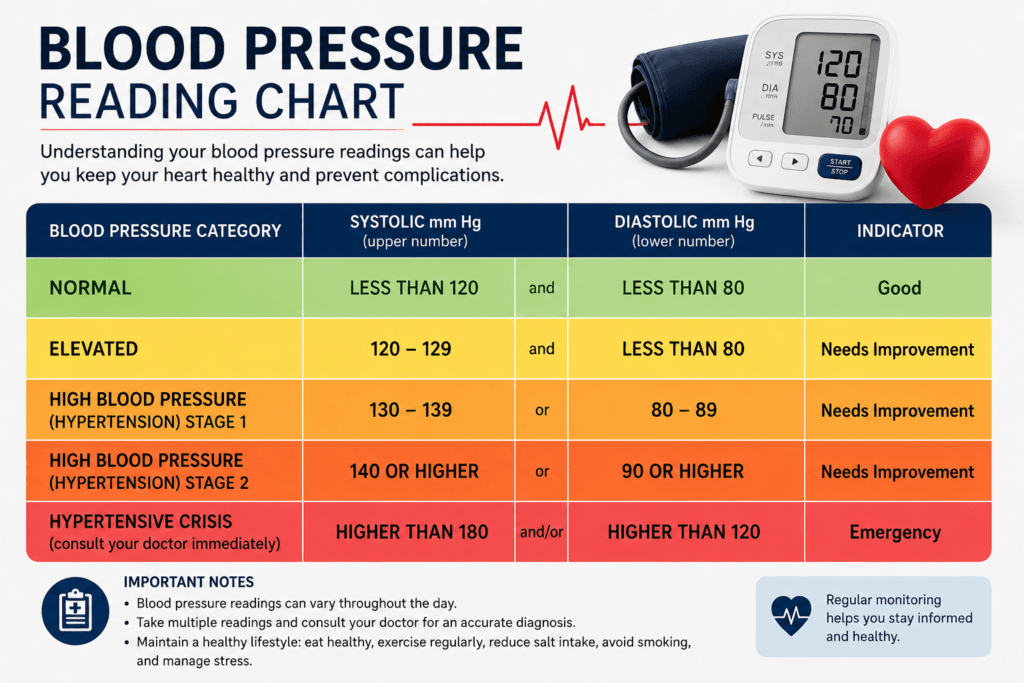
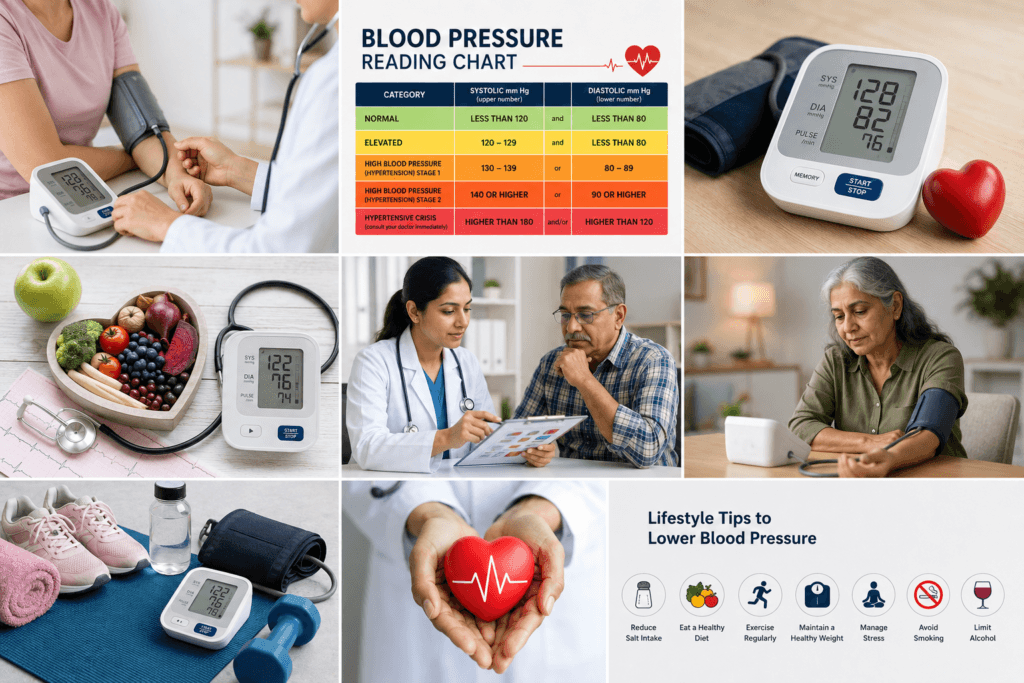
Blood pressure is measured in millimeters of mercury (mmHg) and is written as two numbers, such as 120/80 mmHg. The first number (systolic pressure) measures the pressure when the heart beats, while the second number (diastolic pressure) measures the pressure when the heart rests between beats.
When blood pressure remains high for a long time, it forces the heart to work harder and gradually damages blood vessels. This increases the risk of heart disease, stroke, kidney disease, vision problems, and other serious health complications.
High blood pressure is often called the “Silent Killer” because many people experience no symptoms until serious damage has already occurred. Regular blood pressure monitoring is therefore essential for early detection and treatment.
Causes of High Blood Pressure:
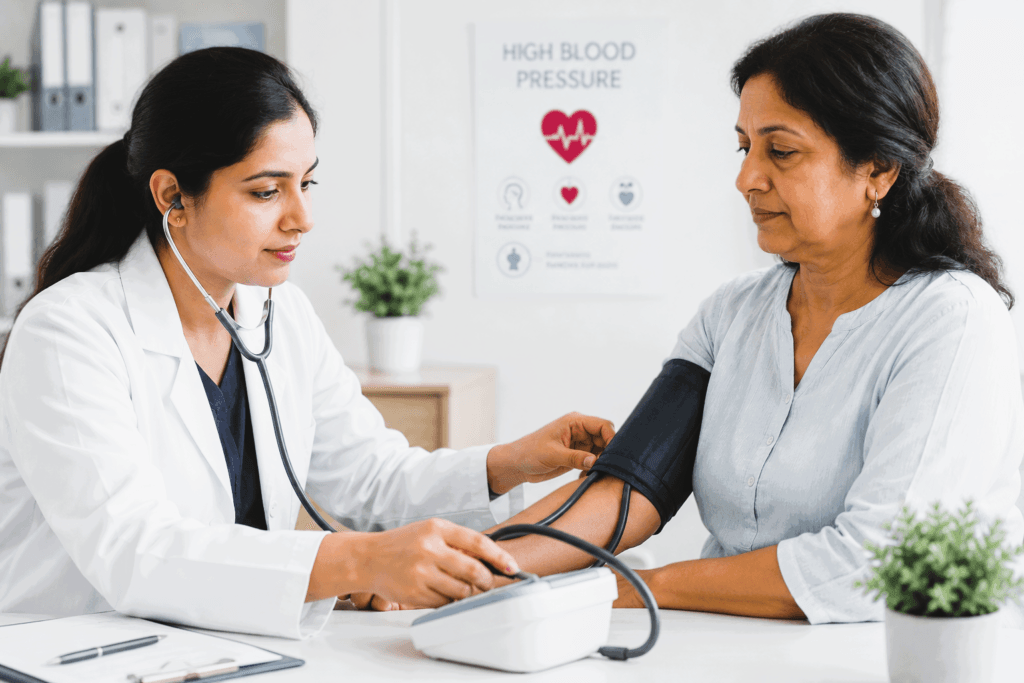
High Blood Pressure (Hypertension) In many people, the exact cause of high blood pressure is unknown. This is known as primary (essential) hypertension, which usually develops gradually over several years. However, some cases occur due to an underlying medical condition or medication, known as secondary hypertension. Common causes and contributing factors include:
1. Unhealthy Diet Eating excessive salt , processed foods, junk food, and foods high in saturated fats can raise blood pressure.
2. Lack of Physical Activity A sedentary lifestyle weakens the heart and blood vessels, increasing the likelihood of hypertension.
3. Obesity or Being Overweight Extra body weight forces the heart to pump harder, increasing blood pressure.
4. Smoking and Tobacco Use Nicotine temporarily raises blood pressure and damages blood vessels over time.
5. Excessive Alcohol Consumption Drinking large amounts of alcohol regularly can contribute to persistent high blood pressure.
6. Chronic Stress Long-term emotional stress may lead to unhealthy habits such as overeating, smoking, or drinking alcohol, all of which can increase blood pressure.
7. Kidney Disease Damaged kidneys are less able to regulate blood pressure, leading to hypertension.
8. Hormonal Disorders Conditions affecting the adrenal glands or thyroid can cause secondary hypertension.
9. Certain Medications Some painkillers, birth control pills, steroids, decongestants, and certain herbal supplements may increase blood pressure. sources Mayo clinic
—
Symptoms of High Blood Pressure:
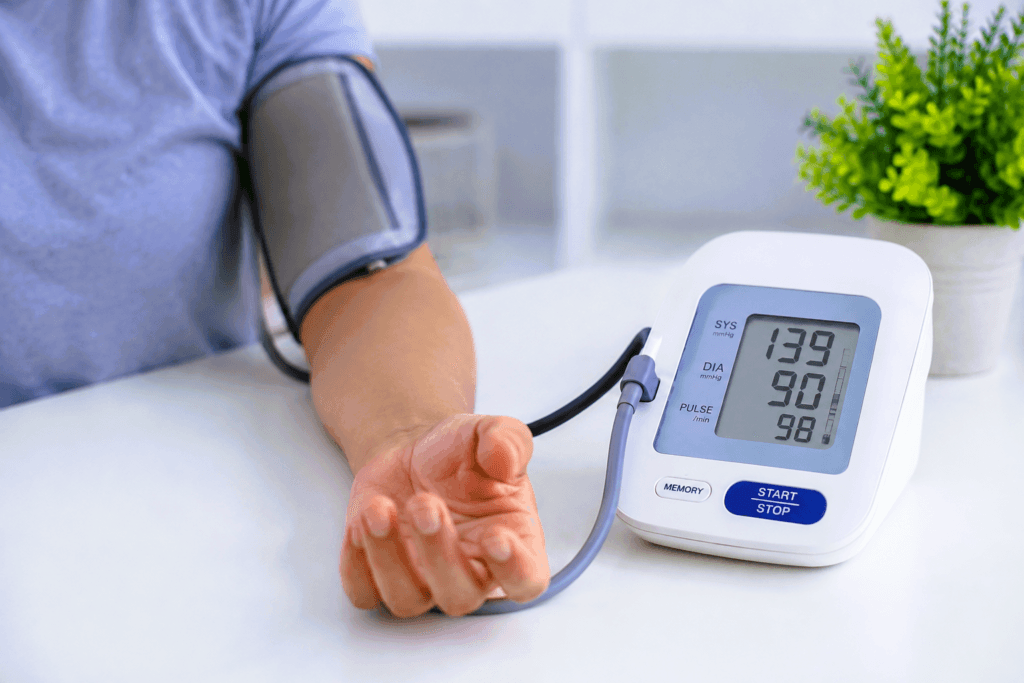
High blood pressure usually has no noticeable symptoms, especially in the early stages. However, when blood pressure becomes extremely high, some people may experience:
Frequent headaches, Dizziness or lightheadedness, Blurred vision, Nosebleeds, Chest pain, Shortness of breath, Fatigue, Irregular heartbeat, Ringing in the ears, Confusion in severe cases.
These symptoms usually appear only when blood pressure becomes dangerously high. That is why routine blood pressure checks are important even if you feel healthy.
Risk Factors:
Several factors increase the risk of developing high blood pressure.
1. Increasing Age: Blood pressure tends to rise with age because blood vessels gradually become less flexible.
2. Family History: Having parents or siblings with hypertension increases your risk.
3. Obesity: Being overweight places additional strain on the heart and blood vessels.
4. High Salt Intake: Consuming excessive sodium causes the body to retain water, increasing blood pressure.
5. Physical Inactivity: People who rarely exercise are more likely to develop hypertension.
6. Smoking: Smoking damages arteries and causes temporary spikes in blood pressure.
7. Alcohol Consumption: Heavy drinking contributes to hypertension and heart disease.
8. Diabetes: People with diabetes have a higher risk of developing high blood pressure.
9. Kidney Disease: Kidney disorders can both cause and worsen hypertension.
10. Chronic Stress: Persistent stress may contribute to long-term increases in blood pressure.
11. Poor Sleep: Sleep disorders, including sleep apnea, increase the risk of hypertension.
What Should You Do?
Managing high blood pressure requires both lifestyle changes and medical guidance.
- Eat a Healthy Diet: Choose fresh fruits, vegetables, whole grains, lean protein, and low-fat dairy products. Reduce processed foods and limit salt intake to about 5 grams (one teaspoon) per day.
- Exercise Regularly: Aim for at least 30 minutes of moderate physical activity such as brisk walking, cycling, or swimming on most days of the week.
- Maintain a Healthy Weight: Even losing a small amount of excess weight can significantly improve blood pressure.
- Quit Smoking: Stopping smoking improves blood vessel health and reduces the risk of heart attack and stroke.
- Limit Alcohol: If you drink alcohol, do so only in moderation or avoid it completely.
- Manage Stress: Practice relaxation techniques such as meditation, yoga, deep breathing exercises, or spending time with family and friends.
- Sleep Well: Try to get 7–9 hours of quality sleep each night.
- Monitor Your Blood Pressure: Check your blood pressure regularly at home or at a healthcare facility, especially if you have risk factors.
- Take Medicines as Prescribed: If your doctor prescribes blood pressure medication, take it exactly as directed. Never stop taking it without medical advice.
- Doctor’s Advice: If your blood pressure remains consistently above normal, consult a qualified doctor without delay. The doctor may recommend:
- Regular blood pressure monitoring
- Blood tests and urine tests
- Kidney function tests
- Heart tests such as an ECG if needed
- Lifestyle modifications
Blood pressure-lowering medications when necessary. Seek immediate medical attention if you experience extremely high blood pressure along with chest pain, severe headache, difficulty breathing, confusion, weakness on one side of the body, or sudden vision changes, as these could be signs of a medical emergency.
Conclusion:
High blood pressure is a serious but manageable condition. Because it often develops without symptoms, regular blood pressure checks are essential.
Maintaining a healthy diet, exercising regularly, avoiding smoking and excessive alcohol, managing stress, and following your doctor’s advice can help keep blood pressure under control and greatly reduce the risk of heart disease, stroke, kidney failure, and other complications. Early diagnosis and consistent treatment are the best ways to protect your long-term health.
Medical Disclaimer
The information provided in this article is for general educational and informational purposes only. It is not intended to replace professional medical advice, diagnosis, or treatment. Always consult a qualified doctor or healthcare professional regarding any medical condition or health concern. Never ignore or delay seeking professional medical advice because of something you have read on this website.