Introduction
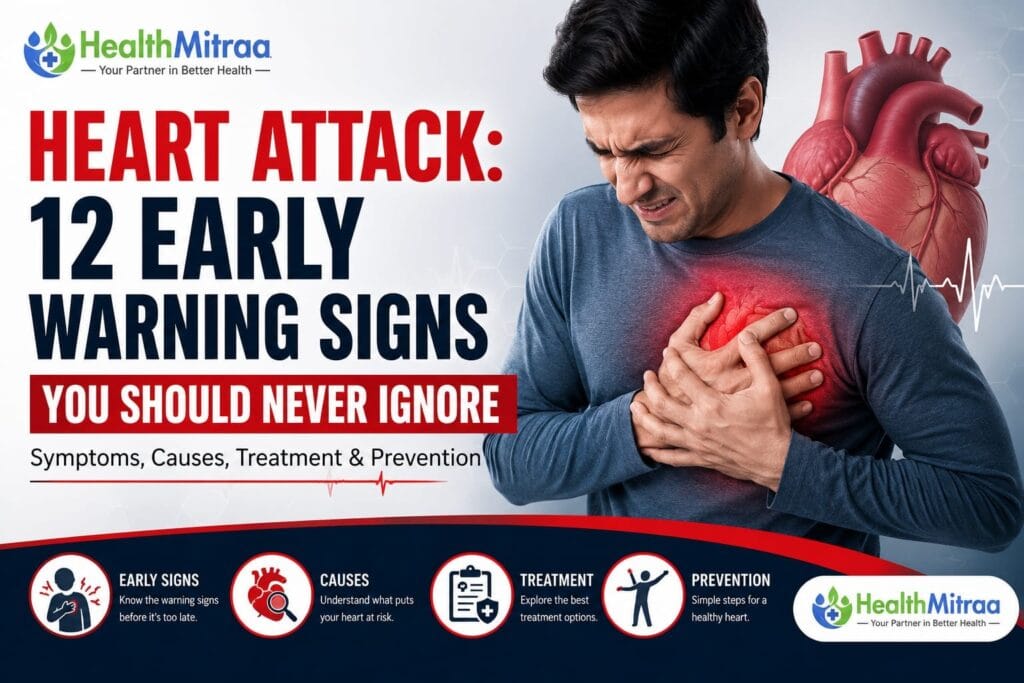
Most people believe a heart attack happens suddenly without any warning. In reality, that’s not always true. In many cases, the body starts sending warning signals hours, days, or even weeks before a heart attack occurs. Unfortunately, these early signs are often ignored because they can feel like ordinary tiredness, indigestion, muscle pain, or stress.
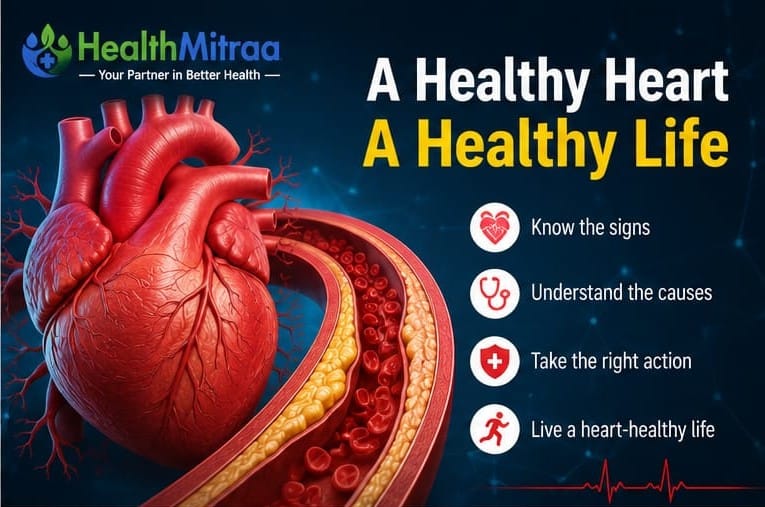
A heart attack occurs when the blood supply to a part of the heart is blocked, usually because of a buildup of fatty deposits (plaque) inside the coronary arteries. Without enough oxygen-rich blood, heart muscle cells begin to die. If medical treatment is delayed, permanent damage to the heart can occur, and in severe cases, it may become life-threatening.
The encouraging news is that many heart attacks can be prevented. Recognizing the early warning signs, maintaining a healthy lifestyle, and seeking immediate medical care when symptoms appear can save lives.
In this article, you’ll learn about the 12 early warning signs of a heart attack, its causes, risk factors, and why acting quickly is so important.
What Is a Heart Attack?
A heart attack, medically known as myocardial infarction, occurs when blood flow to the heart muscle is suddenly reduced or completely blocked. This usually happens because fatty deposits made of cholesterol, fat, and other substances build up inside the coronary arteries. When one of these deposits ruptures, a blood clot can form and block the artery.
Without a continuous supply of oxygen-rich blood, the affected part of the heart begins to lose its function within minutes. The longer the blockage remains untreated, the greater the damage to the heart muscle.
Many people confuse a heart attack with cardiac arrest, but they are different conditions. During a heart attack, the heart usually continues beating, although the blood supply is reduced. In cardiac arrest, the heart suddenly stops beating due to an electrical problem.
Knowing the difference is important because both conditions require emergency medical care, but they are treated differently.
sources: Mayoclinic
12 Early Warning Signs You Should Never Ignore
- Chest Pain or Pressure
Chest pain is the most common warning sign of a heart attack. Many people describe it as a feeling of pressure, tightness, squeezing, heaviness, or burning in the center or left side of the chest.
The discomfort may last for several minutes or come and go repeatedly. Some people mistake it for acidity or indigestion, delaying treatment.
If chest pain is severe, persistent, or spreads to other parts of the body, seek emergency medical care immediately. - Pain That Spreads to the Arm, Neck, Jaw, or Back
Heart attack pain doesn’t always stay in the chest. It may spread to one or both arms—especially the left arm—as well as the shoulders, neck, jaw, upper back, or even the upper stomach.
This type of pain often starts gradually and becomes more noticeable with time. Women may experience pain in the jaw or back more frequently than men. - Shortness of Breath
Feeling breathless while walking a short distance, climbing stairs, or even while resting can be an early warning sign of a heart attack.
Shortness of breath may occur before chest pain or at the same time. If breathing suddenly becomes difficult without an obvious reason, it should never be ignored. - Unusual Fatigue
Not every heart attack begins with severe chest pain. Some people—especially women—experience unusual tiredness for days or even weeks beforehand.
If you feel exhausted after doing simple daily activities that normally don’t make you tired, your body may be trying to warn you that something is wrong. - Cold Sweating
Breaking out in a cold sweat without exercise, hot weather, or fever can be another warning sign.
Many people describe this as sudden sweating accompanied by weakness, dizziness, or a feeling that something is seriously wrong. - Nausea, Indigestion, or Vomiting
Some heart attacks cause symptoms that resemble digestive problems.
People may experience:
Nausea
Vomiting
Stomach discomfort
Heartburn
Indigestion
Because these symptoms can easily be mistaken for food poisoning or acidity, many people delay seeking medical help.
Why Early Recognition Matters
The first few minutes after a heart attack are critical. The faster treatment begins, the greater the chance of saving heart muscle and reducing long-term complications.
Never ignore symptoms such as chest pain, difficulty breathing, pain spreading to the arm or jaw, sudden sweating, or unexplained fatigue—especially if they occur together.
Even if the symptoms turn out not to be a heart attack, getting evaluated by a doctor is always safer than waiting until the condition becomes more serious. - Dizziness or Sudden Lightheadedness
Have you ever stood up and suddenly felt dizzy? While this can happen for many harmless reasons, dizziness combined with chest discomfort, shortness of breath, or cold sweating should never be ignored.
During a heart attack, the heart may not pump enough blood to the brain, causing dizziness or even fainting. Some people describe it as feeling unusually weak or as if they might collapse.
If these symptoms appear suddenly—especially in older adults or people with diabetes, high blood pressure, or high cholesterol—seek medical attention immediately.
Irregular or Rapid Heartbeat
Occasionally noticing your heartbeat after exercise is normal. However, if your heart suddenly starts racing, pounding, or beating irregularly without any obvious reason, it could be an early warning sign.
Some people feel their heart “fluttering” or skipping beats before a heart attack.
Although an irregular heartbeat doesn’t always mean a heart attack, it should never be ignored if it occurs with chest pain, breathlessness, or dizziness.
Pain in the Upper Stomach
Not every heart attack causes chest pain. In some cases, especially among women and older adults, discomfort may be felt in the upper abdomen.
Many people mistake this pain for:
Acidity
Gas
Indigestion
Stomach infection
If stomach pain appears along with sweating, nausea, chest pressure, or shortness of breath, it should be treated as a medical emergency until proven otherwise.
Difficulty Sleeping or Sudden Anxiety
Some people experience unusual restlessness or difficulty sleeping in the days before a heart attack.
They may wake up feeling uncomfortable, anxious, or unable to explain why they feel unwell.
While anxiety alone does not mean someone is having a heart attack, sudden anxiety combined with physical symptoms should be evaluated by a doctor.
Swelling in the Legs or Feet
Swollen ankles or feet are commonly linked to heart failure, but they can also indicate that the heart is under stress.
When the heart cannot pump blood efficiently, fluid begins collecting in the lower parts of the body.
If swelling develops together with breathlessness or unusual fatigue, don’t ignore it.
A Feeling That “Something Isn’t Right”
Many heart attack survivors say they felt that “something was seriously wrong” hours before the attack.
This feeling is difficult to describe. It may include:
Extreme weakness
Unusual discomfort
Restlessness
Fear without any clear reason
Although this symptom alone cannot diagnose a heart attack, it should never be dismissed when combined with other warning signs.
What Causes a Heart Attack?
A heart attack usually happens when blood flow through one of the coronary arteries becomes blocked. This blockage prevents oxygen-rich blood from reaching the heart muscle.
The most common causes include:
Build-up of Cholesterol Plaque
Over time, cholesterol, fat, and other substances can build up inside the arteries, making them narrow.
Blood Clot Formation
If one of these fatty plaques ruptures, a blood clot may form and completely block the artery.
Coronary Artery Disease
This is the leading cause of heart attacks worldwide and develops gradually over many years.
Coronary Artery Spasm
Sometimes the artery suddenly tightens, reducing blood flow to the heart. Although less common, it can still trigger a heart attack.
Risk Factors
Some risk factors cannot be changed, while others can be controlled through healthy lifestyle choices.
Non-Modifiable Risk Factors
Age above 45 years (men)
Age above 55 years (women)
Family history of heart disease
Male gender
Modifiable Risk Factors
High blood pressure
Diabetes
High cholesterol
Smoking
Obesity
Lack of physical activity
Unhealthy diet
Excessive alcohol intake
Chronic stress
Poor sleep habits
The more risk factors a person has, the higher the chance of developing heart disease.
Diagnosis
If a heart attack is suspected, doctors may recommend:
Electrocardiogram (ECG)
Blood tests (including cardiac troponin)
Echocardiogram
Coronary angiography
Chest X-ray (when needed)
These tests help identify the cause of symptoms and determine the most appropriate treatment.
Treatment
Treatment begins immediately after diagnosis and may include:
Medicines to dissolve or prevent blood clots
Blood-thinning medications
Oxygen therapy (if needed)
Angioplasty and stent placement
Coronary artery bypass surgery (CABG) in selected cases
Cardiac rehabilitation after recovery
Early treatment significantly improves survival and reduces long-term heart damage.
How Can You Reduce Your Risk?
Simple lifestyle changes can make a big difference.
Eat more fruits, vegetables, whole grains, and lean protein.
Exercise for at least 150 minutes each week.
Stop smoking and avoid tobacco in all forms.
Maintain a healthy body weight.
Control blood pressure, cholesterol, and blood sugar.
Sleep 7–9 hours every night.
Manage stress through relaxation techniques or regular physical activity.
Schedule routine health check-ups, especially if you have a family history of heart disease.
Doctor’s Advice
Call emergency medical services immediately if you experience chest pain lasting more than a few minutes, pain spreading to the arm or jaw, severe shortness of breath, cold sweating, or sudden collapse.
Do not attempt to drive yourself to the hospital if symptoms are severe. Prompt medical care can save heart muscle and, in many cases, save your life.
Frequently Asked Questions (FAQs)
Can a heart attack happen without chest pain?
Yes. Some people, especially women, older adults, and people with diabetes, may experience symptoms such as fatigue, nausea, jaw pain, or shortness of breath instead of severe chest pain.
Is every chest pain a heart attack?
No. Chest pain can have many causes, but any new, severe, or persistent chest pain should be evaluated by a healthcare professional immediately.
Can young people have a heart attack?
Yes. Although more common in older adults, heart attacks can occur in younger people, particularly those who smoke, have diabetes, high cholesterol, obesity, or a strong family history of heart disease.
Is a heart attack preventable?
Many heart attacks can be prevented by following a healthy lifestyle, controlling blood pressure, cholesterol, and diabetes, avoiding smoking, and getting regular medical check-ups.
Conclusion
A heart attack is a medical emergency, but it rarely strikes without warning. Learning to recognize the 12 early warning signs can help you seek treatment before permanent heart damage occurs.
The most effective way to protect your heart is to maintain a healthy lifestyle, monitor your risk factors, and never ignore symptoms such as chest pain, breathlessness, unusual fatigue, or pain spreading to the arm or jaw.
Remember: Acting quickly can save your heart—and it may even save your life.