Introduction
Most people imagine a stroke as something that happens suddenly and without warning. The truth is often very different. In many cases, the body starts sending subtle signals hours or even days before a major it occurs. Unfortunately, these warning signs are frequently mistaken for stress, tiredness, or simply “not feeling well,” causing people to delay seeking medical help.
It is one of the leading causes of death and long-term disability worldwide. It happens when blood flow to the brain is interrupted or a blood vessel in the brain bursts. Without a steady supply of oxygen, brain cells begin to die within minutes. That’s why doctors often say, “Time lost is brain lost.” The sooner treatment begins, the better the chances of recovery.
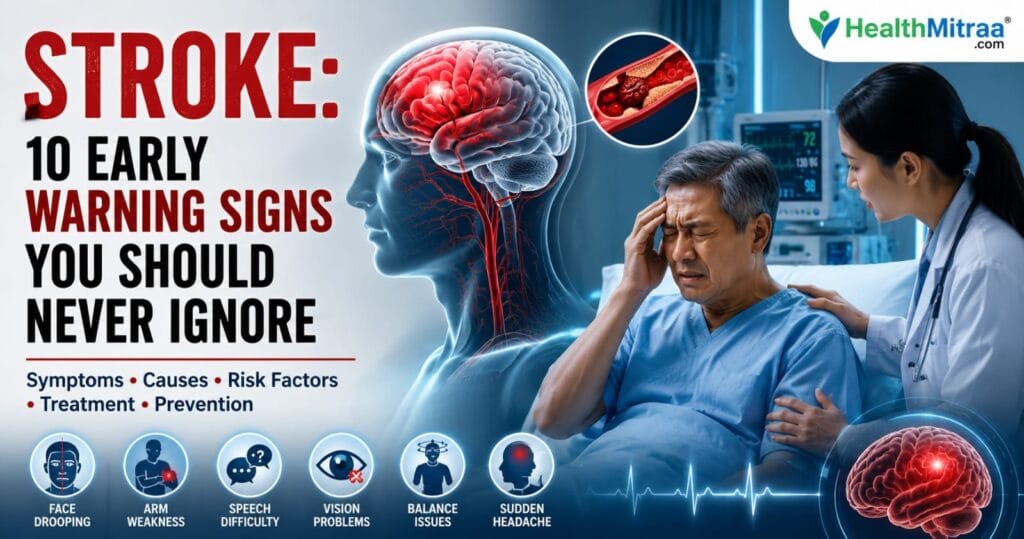
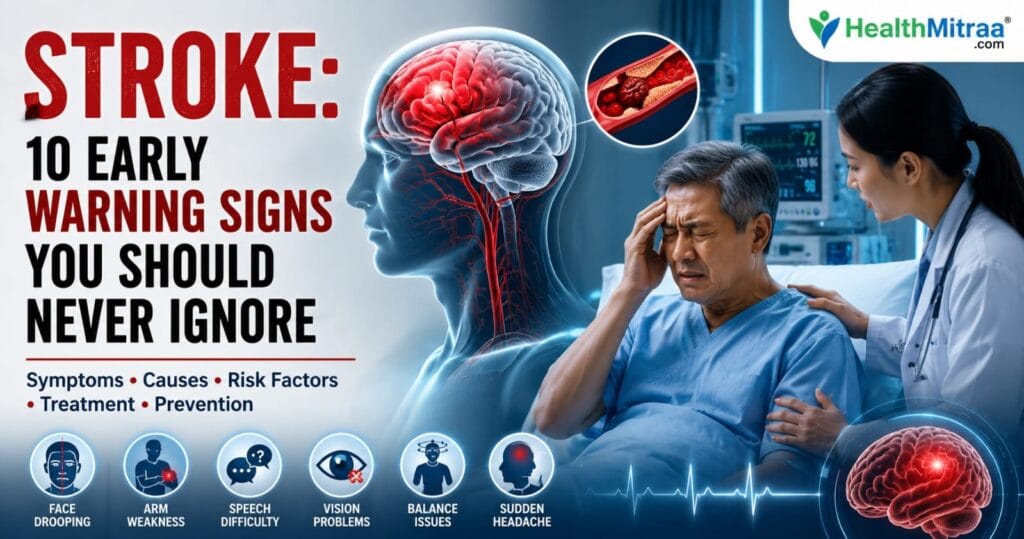
The encouraging news is that many strokes are preventable. Learning to recognize the early warning signs, controlling risk factors, and acting quickly during an emergency can save lives and reduce permanent brain damage. In this guide, you’ll learn the 10 early warning signs of stroke, what causes it, who is most at risk, and how you can protect yourself and your family. Stroke: 10 Early Warning Signs You Should Never Ignore.
What Is a Stroke?
A stroke is a medical emergency that occurs when the brain suddenly stops receiving enough blood. Since the brain controls everything from movement and speech to memory and breathing, even a short interruption in blood flow can damage brain cells and affect how the body functions.
Depending on which part of the brain is affected, a person may lose the ability to speak clearly, move one side of the body, see properly, or even stay conscious. Some people recover completely with early treatment, while others may require months of rehabilitation.
Because brain cells begin dying within minutes, a stroke should always be treated as an emergency.
Quick Fact: Nearly 85% of all strokes are ischemic strokes, meaning they occur because a blood clot blocks blood flow to the brain.
Types of Stroke
Not every stroke happens in the same way. Doctors generally classify strokes into three main types.
Ischemic Stroke
This is the most common type of stroke. It develops when a blood clot blocks an artery supplying blood to the brain. High cholesterol, diabetes, smoking, and high blood pressure significantly increase the risk.
Hemorrhagic Stroke
This type occurs when a weakened blood vessel ruptures and causes bleeding inside the brain. Uncontrolled high blood pressure is one of the leading causes of hemorrhagic stroke.
Transient Ischemic Attack (TIA)
Often called a mini stroke, a TIA causes temporary symptoms that usually disappear within a few minutes or hours. Although symptoms improve quickly, it should never be ignored because it often serves as a warning that a major stroke could happen in the near future.
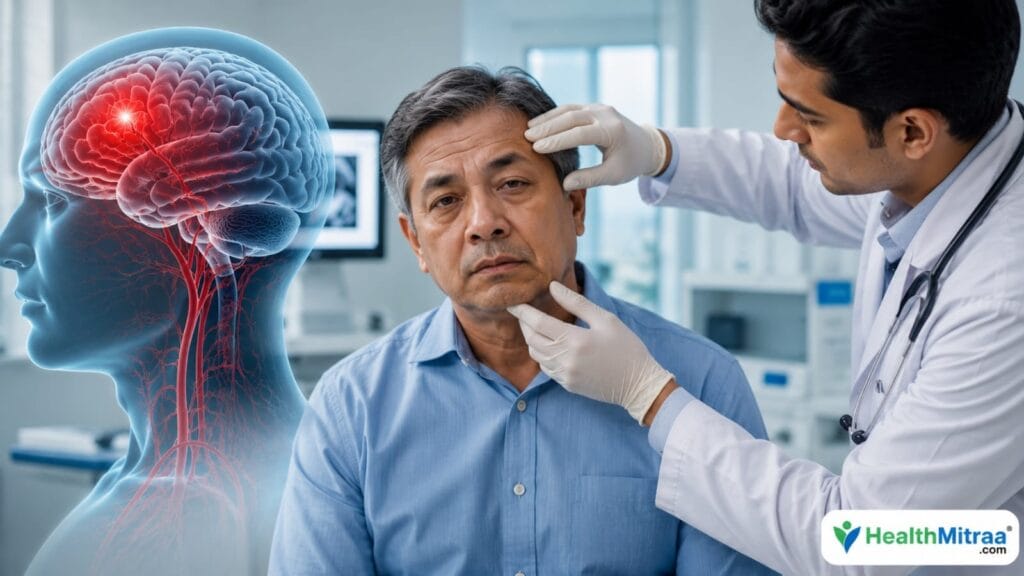
Why Does a Stroke Happen?
A stroke usually doesn’t happen overnight. In most cases, blood vessels become damaged slowly over many years. Conditions like high blood pressure, diabetes, high cholesterol, obesity, and smoking can weaken or narrow blood vessels, making it easier for a clot to block blood flow or for a vessel to burst.
This is why preventing a stroke starts long before the first symptom appears. Healthy lifestyle choices and regular medical check-ups play an important role in reducing risk.
10 Early Warning Signs of Stroke You Should Never Ignore
1. Sudden Weakness or Numbness on One Side of the Body
One of the earliest signs of a stroke is sudden weakness or numbness affecting the face, arm, or leg—usually on only one side of the body.
You may suddenly struggle to lift one arm, hold objects properly, or feel that one leg has become unusually weak. Some people notice numbness around the face or difficulty smiling evenly.
Never ignore sudden weakness, even if it disappears after a few minutes.
2. Difficulty Speaking or Understanding Others
A stroke can affect the brain’s language center. As a result, a person may suddenly have trouble speaking clearly or understanding simple conversations.
Speech may sound slurred, confusing, or completely different from normal. In some cases, the person knows what they want to say but cannot find the right words.
If someone suddenly develops speech problems, treat it as a medical emergency.
3. Sudden Vision Problems
Blurred vision, double vision, or sudden loss of sight in one or both eyes may indicate that part of the brain responsible for vision isn’t receiving enough blood.
Many people assume the problem is related to eye strain and wait for it to improve. However, sudden vision changes should always be evaluated immediately.
4. Severe Headache Without a Clear Cause
A sudden, extremely severe headache—especially if it feels different from previous headaches—can be a warning sign of a stroke caused by bleeding in the brain.
This headache may be accompanied by nausea, vomiting, dizziness, or confusion.
Ignoring such symptoms can delay life-saving treatment.
5. Loss of Balance or Difficulty Walking
If you suddenly feel dizzy, lose coordination, or find it difficult to walk in a straight line, don’t dismiss it as simple tiredness.
When the brain doesn’t receive enough blood, balance and coordination can be affected almost immediately.
If dizziness occurs together with weakness, speech problems, or vision changes, seek emergency medical care without delay.
FAST Rule: A Simple Way to Recognize a Stroke
Health experts recommend remembering the word FAST because it can help identify a stroke within seconds.
F – Face Drooping: Ask the person to smile. Does one side of the face droop?
A – Arm Weakness: Ask them to raise both arms. Does one arm drift downward?
S – Speech Difficulty: Is their speech slurred or difficult to understand?
T – Time to Call Emergency Services: If you notice any of these signs, don’t wait. Get emergency medical help immediately.
Early treatment can significantly improve the chances of recovery and reduce permanent brain damage
6. Sudden Confusion or Memory Problems
One of the less obvious signs of a stroke is sudden confusion. A person may struggle to understand simple instructions, forget familiar names, or seem unusually disoriented.
Family members often notice that the person is “not acting like themselves.” Even if these symptoms improve after a few minutes, they should never be ignored because they may indicate a Transient Ischemic Attack (TIA), also known as a mini stroke.
7. Sudden Dizziness or Vertigo
Feeling dizzy after standing up quickly is common, but sudden dizziness without a clear reason can sometimes signal a stroke.
You may feel as though the room is spinning, lose your balance, or find it difficult to coordinate simple movements. If dizziness occurs together with blurred vision, slurred speech, or weakness, seek emergency medical care immediately.
8. Trouble Swallowing
Difficulty swallowing isn’t always caused by a throat problem. A stroke can affect the muscles responsible for swallowing, making eating or drinking difficult.
Some people may cough while drinking water or feel that food is getting stuck. This symptom is more common than many people realize and requires prompt medical evaluation.
9. Sudden Fatigue or Extreme Weakness
Everyone feels tired from time to time, but stroke-related fatigue is different. It can appear suddenly and may be accompanied by weakness on one side of the body, confusion, or difficulty concentrating.
If extreme tiredness develops without an obvious cause—especially alongside other warning signs—it should not be ignored.
10. Sudden Loss of Consciousness
In severe cases, a stroke may cause a person to faint or become unconscious. This usually indicates significant brain involvement and requires immediate emergency treatment.
Never assume the person will “wake up on their own.” Call emergency medical services without delay.
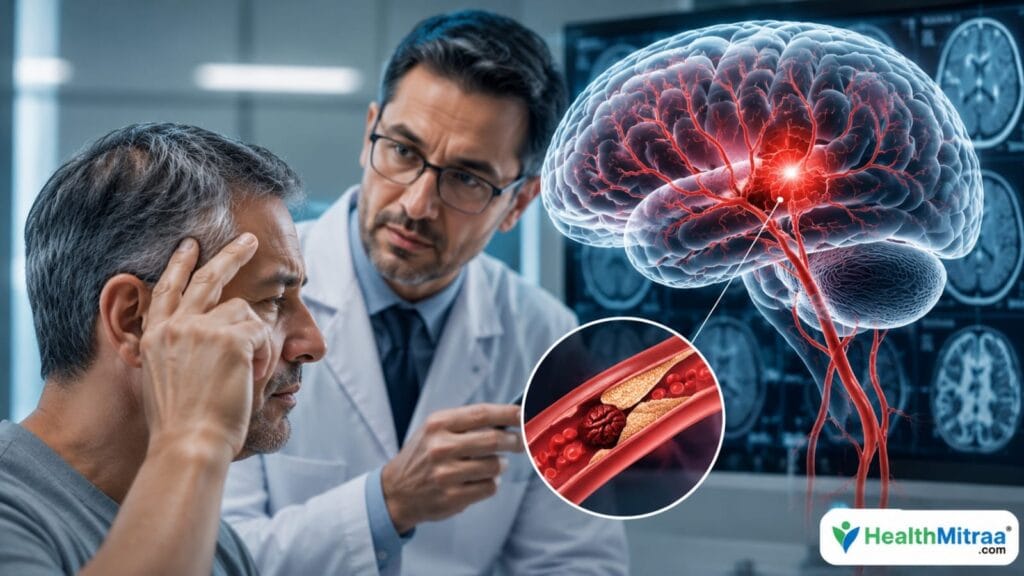
What Causes a Stroke?
A stroke occurs when the brain’s blood supply is interrupted. This can happen either because a blood clot blocks an artery or because a weakened blood vessel bursts.
Some of the most common causes include:
Uncontrolled high blood pressure
High cholesterol levels
Diabetes
Smoking and tobacco use
Irregular heartbeat (atrial fibrillation)
Obesity
Excessive alcohol consumption
Physical inactivity
Poor dietary habits
Most strokes develop gradually as blood vessels become damaged over many years, which is why managing these conditions is so important. Sources: Mayoclinic
Stroke Risk Factors
Certain factors increase the likelihood of having a stroke. Some can be controlled, while others cannot.
Risk Factors You Can Control
High blood pressure
Diabetes
High cholesterol
Smoking
Obesity
Lack of physical activity
Excessive alcohol intake
Chronic stress
Poor sleep quality
Risk Factors You Cannot Control
Increasing age
Family history of stroke
Previous stroke or TIA
Certain inherited medical conditions
Understanding your risk factors can help you take preventive action before problems develop.
How Is a Stroke Diagnosed?
When a stroke is suspected, doctors act quickly because every minute matters.
Common diagnostic tests include:
CT Scan
MRI Scan
Blood Tests
Electrocardiogram (ECG)
Carotid Ultrasound
CT or MR Angiography
These tests help determine the type of stroke and guide the most appropriate treatment.
Stroke Treatment Options
Treatment depends on the type of stroke and how quickly medical care begins.
Doctors may recommend:
Clot-dissolving medications (for eligible ischemic strokes)
Blood-thinning medicines
Mechanical thrombectomy to remove large blood clots
Surgery for certain hemorrhagic strokes
Blood pressure control
Physical, speech, and occupational rehabilitation
Early treatment significantly improves the chances of recovery.
Stroke Recovery and Rehabilitation
Recovery after a stroke varies from person to person. Some people recover within weeks, while others may require months of rehabilitation.
Recovery may include:
Physiotherapy to improve movement
Speech therapy
Occupational therapy
Psychological support
Healthy lifestyle changes
Regular follow-up appointments
Patience and consistent rehabilitation play an important role in long-term recovery.
Resources: Medlineplus
How to Prevent a Stroke Naturally
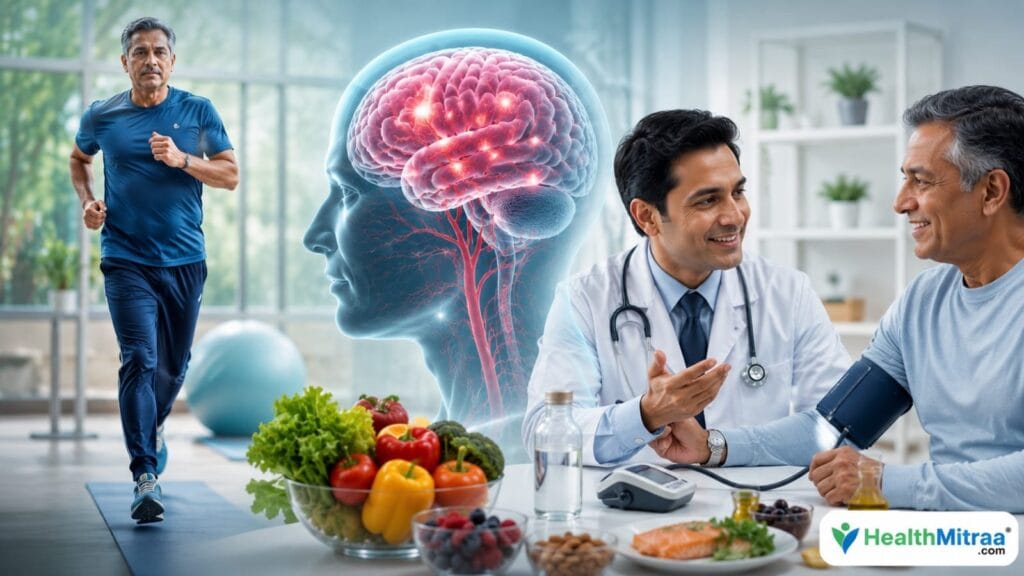
Although not every stroke can be prevented, many cases can be avoided by adopting healthy daily habits.
You can reduce your risk by:
Keeping blood pressure under control
Managing diabetes effectively
Lowering high cholesterol
Eating more fruits, vegetables, and whole grains
Exercising for at least 150 minutes each week
Maintaining a healthy body weight
Avoiding tobacco products
Limiting alcohol intake
Getting enough sleep
Attending regular health check-ups
Small lifestyle improvements today can lower your risk in the future.
When Should You See a Doctor?
Seek immediate emergency medical care if you or someone around you develops:
Sudden weakness on one side of the body
Slurred speech
Sudden vision loss
Severe unexplained headache
Loss of balance
Facial drooping
Loss of consciousness
Never wait for symptoms to disappear on their own. Early treatment can protect brain tissue and improve recovery.
Frequently Asked Questions About Stroke
1.Can young people have a stroke?
Yes. Although strokes are more common in older adults, younger people can also experience a stroke, particularly if they have high blood pressure, diabetes, obesity, smoke, or have certain heart conditions.
2.Is every stroke life-threatening?
Not every stroke is fatal, but every stroke is a medical emergency. Prompt treatment greatly improves the chances of survival and recovery.
3.What is the difference between a stroke and a heart attack?
A stroke affects the brain by interrupting its blood supply, whereas a heart attack occurs when blood flow to the heart muscle is blocked.
4.Can a stroke be prevented?
Many strokes can be prevented through healthy lifestyle choices, regular medical check-ups, and proper management of conditions such as high blood pressure, diabetes, and high cholesterol.
Key Take aways
Learn the 10 early warning signs of stroke and act quickly.
Remember the FAST rule to recognize symptoms.
High blood pressure remains the biggest preventable risk factor.
A healthy lifestyle can significantly reduce your risk.
Never delay seeking emergency medical care if stroke symptoms appear.
Conclusion
A stroke can change a person’s life within minutes, but recognizing the warning signs early can make all the difference. Symptoms such as facial drooping, arm weakness, speech difficulties, sudden vision changes, or loss of balance should never be ignored.
The best way to reduce your risk is to maintain a healthy lifestyle, keep chronic conditions like high blood pressure and diabetes under control, and have regular medical check-ups. Most importantly, remember that every minute counts during a stroke. Acting quickly may not only protect the brain but also save a life.
You Can Read: Healthmitraa Healthmitraa Healthmitraa
Medical Disclaimer
The information provided in this article is for educational and informational purposes only. It is not intended to replace professional medical advice, diagnosis, or treatment. Always consult a qualified healthcare provider before making any medical decisions or starting a new treatment. If you experience severe or emergency symptoms, seek immediate medical attention.