Introduction
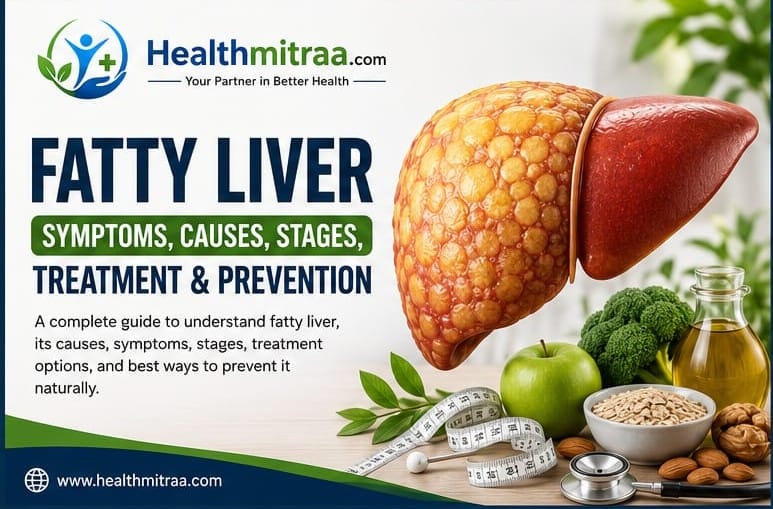
Fatty liver disease is one of the most common liver conditions affecting millions of people around the world. It develops when an excessive amount of fat accumulates inside the liver cells. Although a small amount of fat in the liver is considered normal, too much fat may gradually affect the liver’s ability to perform its essential functions. If the condition is ignored for a long time, it may increase the risk of liver inflammation, scarring, and other serious complications.
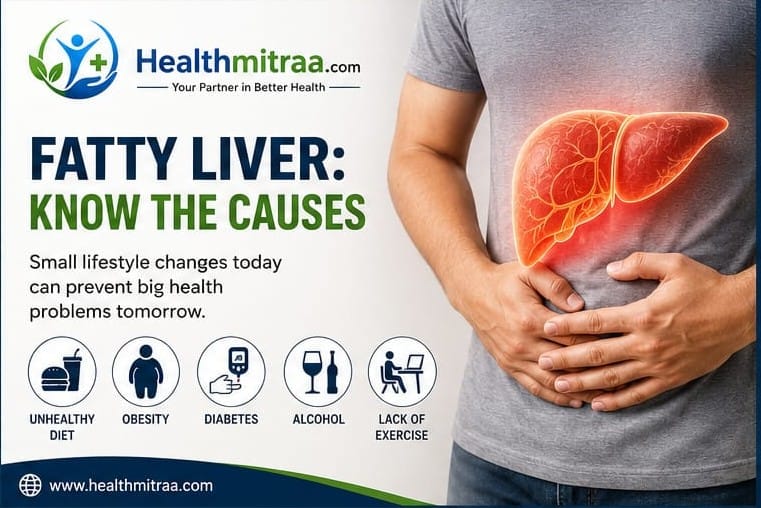
In recent years, fatty liver disease has become increasingly common due to modern lifestyle habits. Unhealthy eating patterns, obesity, diabetes, high cholesterol, lack of physical activity, and excessive alcohol consumption are some of the major factors associated with this condition. Many people are unaware that they have fatty liver because it usually develops without noticeable symptoms during its early stages.
In most cases, the condition is detected accidentally during routine blood tests or ultrasound examinations.
The liver is one of the most important organs in the human body. It plays a vital role in digesting food, producing bile, storing nutrients, regulating metabolism, removing toxins from the blood, and supporting hundreds of other body functions. Therefore, keeping the liver healthy is essential for maintaining overall health and preventing long-term complications.
The good news is that early-stage fatty liver can often be managed through healthy lifestyle changes, regular exercise, balanced nutrition, and proper medical guidance. Understanding the causes, symptoms, diagnosis, treatment, and prevention of fatty liver can help people take timely steps to protect their liver health.
What is Fatty Liver?
Fatty liver, medically known as hepatic steatosis, is a condition in which excess fat accumulates inside the liver cells. Normally, the liver contains a small amount of fat that does not affect its normal functioning. However, when fat begins to occupy a significant portion of the liver, it may gradually interfere with its ability to perform important metabolic processes.
The liver is responsible for filtering harmful substances from the bloodstream, processing nutrients, storing vitamins, regulating cholesterol levels, and producing proteins that support blood clotting and other essential body functions. When excess fat continues to build up over time, these important functions may become less efficient.
One of the challenging aspects of fatty liver disease is that it often develops silently. Many individuals experience no symptoms for years, which is why the condition is frequently diagnosed during routine health check-ups rather than because of specific complaints. Early diagnosis allows people to make lifestyle improvements before significant liver damage occurs.
Types of Fatty Liver
Fatty liver disease is generally classified into two main types depending on its underlying cause. The first and most common type is Non-Alcoholic Fatty Liver Disease (NAFLD). This condition develops in people who consume little or no alcohol and is closely associated with obesity, insulin resistance, diabetes, high blood pressure, high cholesterol, and metabolic syndrome. Because obesity and diabetes are becoming more common worldwide, NAFLD has also become one of the leading causes of chronic liver disease.
The second type is Alcohol-Related Fatty Liver Disease (AFLD). As the name suggests, this condition develops due to excessive alcohol consumption over a prolonged period. Alcohol may damage liver cells and interfere with the liver’s normal ability to process fats, allowing fat to accumulate within the liver. Reducing or avoiding alcohol, along with appropriate medical care, may help improve liver health in many individuals.
Although these two conditions have different causes, both can progress to more serious liver diseases if they are not properly managed.
Causes of Fatty Liver
Fatty liver disease usually develops because of a combination of lifestyle habits, metabolic disorders, and certain medical conditions rather than a single cause. One of the most common reasons is excess body weight. People who are overweight or obese have a higher likelihood of developing fatty liver because excess body fat increases fat storage inside the liver.
Type 2 diabetes and insulin resistance are also major contributors. When the body cannot effectively use insulin, it may lead to abnormal fat metabolism, allowing fat to accumulate in liver cells. Similarly, high cholesterol and elevated triglyceride levels may further increase the risk of developing fatty liver disease.
Diet also plays an important role. Regular consumption of sugary beverages, processed foods, refined carbohydrates, fried foods, and foods rich in saturated fats may gradually increase fat deposition inside the liver. At the same time, a lack of physical activity reduces the body’s ability to burn excess calories, increasing the likelihood of obesity and fatty liver.
Excessive alcohol intake remains an important cause of alcohol-related fatty liver disease. In some individuals, certain medications, rapid weight loss, hormonal disorders, or inherited genetic factors may also contribute to the condition. Because several factors often work together, adopting a healthy lifestyle remains one of the most effective ways to reduce the risk. resources mayo clinic
Symptoms of Fatty Liver
One of the reasons fatty liver disease often goes unnoticed is that many people experience no symptoms during its early stages. The condition may slowly progress over several years before noticeable signs begin to appear. This is why routine health check-ups are important, especially for individuals with diabetes, obesity, or high cholesterol.
When symptoms do occur, they are usually mild and non-specific. Some individuals may experience persistent tiredness, reduced energy levels, weakness, or a feeling of discomfort in the upper right side of the abdomen where the liver is located. Others may notice a sensation of fullness after meals or occasional abdominal heaviness.
As liver damage becomes more advanced, symptoms may become more noticeable. However, symptoms alone cannot confirm fatty liver disease because similar complaints can occur in many other medical conditions. A proper medical evaluation is therefore necessary for an accurate diagnosis.
Stages of Fatty Liver Disease
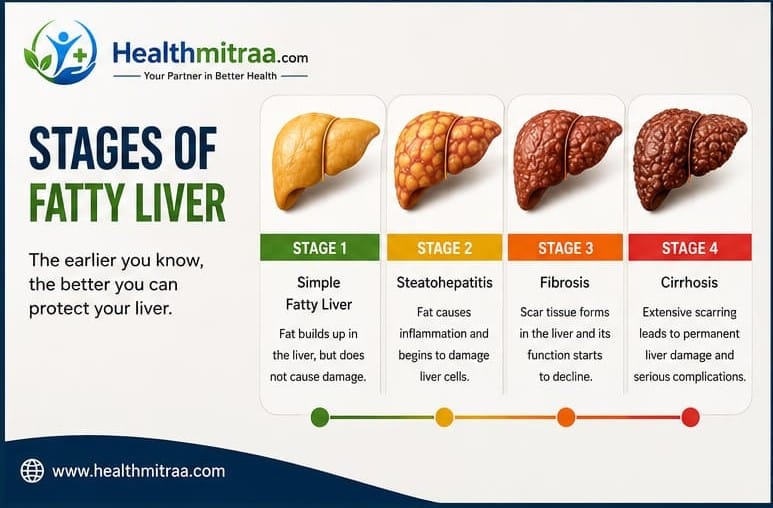
Fatty liver disease does not usually develop overnight. Instead, it progresses gradually through different stages over several years. Understanding these stages is important because early detection provides the best opportunity to prevent permanent liver damage.
The first stage is known as simple fatty liver, in which excess fat accumulates inside the liver cells without causing significant inflammation or damage. Most people at this stage do not experience symptoms, and the condition is often discovered during a routine ultrasound examination. With healthy lifestyle changes, this stage may improve over time.
The second stage is called steatohepatitis, where fat accumulation begins to cause inflammation in the liver. Persistent inflammation may gradually damage liver cells if it is not properly managed. At this stage, some individuals may begin to experience fatigue or discomfort in the upper right side of the abdomen.
If inflammation continues for a long period, the liver may develop scar tissue, leading to the third stage known as fibrosis. Although the liver can still perform many of its normal functions during fibrosis, increasing scar tissue reduces its ability to work efficiently.
The most advanced stage is cirrhosis, where extensive scarring permanently damages the liver. Cirrhosis may lead to serious complications such as liver failure, internal bleeding, or liver cancer in some cases. Early diagnosis and proper treatment are therefore essential to reduce the risk of disease progression.
Diagnosis of Fatty Liver
Because fatty liver often develops without obvious symptoms, doctors usually diagnose it during routine medical examinations. If a healthcare professional suspects fatty liver disease, they may first ask about your medical history, lifestyle habits, alcohol intake, and any existing medical conditions such as diabetes or high cholesterol.
Blood tests are commonly performed to evaluate liver function. However, normal blood test results do not always rule out fatty liver disease. Imaging tests such as ultrasound are frequently used because they can detect excess fat within the liver. In some cases, doctors may recommend a FibroScan, CT scan, or MRI to assess the amount of liver fat and determine whether scarring has developed.
For selected patients, additional investigations may be necessary if there is concern about advanced liver disease. The most appropriate diagnostic approach depends on an individual’s overall health and medical history.
Treatment of Fatty Liver
Currently, there is no single medicine that can completely cure fatty liver disease in every patient. Instead, treatment mainly focuses on addressing the underlying causes and reducing the factors that contribute to fat accumulation inside the liver.
One of the most effective treatments is gradual weight loss for individuals who are overweight or obese. Even modest weight reduction may significantly improve liver fat and inflammation. Regular physical activity, including walking, cycling, swimming, or other moderate exercises, can also help improve liver health by reducing excess body fat and improving insulin sensitivity. Health Mitraa.
Managing conditions such as diabetes, high blood pressure, and high cholesterol is equally important because these conditions often occur alongside fatty liver disease. Doctors may prescribe medications when necessary to control these associated conditions, but medicines should always be taken only under professional medical supervision.
People with alcohol-related fatty liver disease should discuss alcohol avoidance with their healthcare provider, as continued alcohol consumption may worsen liver damage.
Best Diet for Fatty Liver
Diet plays a crucial role in maintaining liver health. A balanced eating pattern may help reduce liver fat while supporting overall health. Fresh fruits, vegetables, whole grains, legumes, lean protein sources, and healthy fats are generally considered beneficial as part of a balanced diet.
Replacing sugary drinks with water and reducing the intake of processed foods may also support liver health. Foods rich in dietary fiber may help improve metabolism and assist with healthy weight management. Healthy fats from sources such as nuts, seeds, and olive oil may be included in moderation as part of an overall balanced diet.
Rather than following extreme diets, maintaining consistent healthy eating habits over the long term is generally more beneficial for overall health.
Foods to Avoid
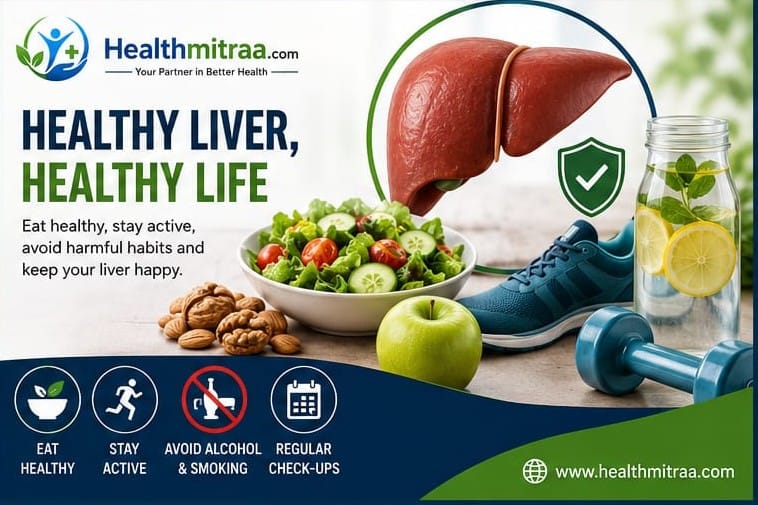
Certain dietary habits may contribute to the development or progression of fatty liver disease. Foods high in added sugar, refined carbohydrates, saturated fats, and trans fats may increase fat accumulation inside the liver. Sugary soft drinks, packaged snacks, fried foods, processed meats, pastries, and excessive fast food consumption should therefore be limited whenever possible.
People with alcohol-related fatty liver disease should discuss alcohol avoidance with their healthcare provider. Maintaining moderation in food choices and following a balanced eating pattern may support long-term liver health.
Prevention of Fatty Liver
Although not every case of fatty liver can be prevented, adopting a healthy lifestyle may significantly reduce the risk. Maintaining a healthy body weight through regular physical activity and balanced nutrition remains one of the most effective preventive strategies. Limiting processed foods, avoiding excessive sugar intake, staying physically active, getting adequate sleep, and attending regular health check-ups may also help protect liver health.
Individuals living with diabetes, obesity, or high cholesterol should work with their healthcare provider to manage these conditions because proper control may reduce the likelihood of fatty liver progression.
When to See a Doctor
Many people ignore mild symptoms because fatty liver often develops slowly. However, persistent fatigue, unexplained abdominal discomfort, abnormal liver function tests, or persistent digestive complaints should not be ignored. People with diabetes, obesity, high cholesterol, or a family history of liver disease should consider regular medical check-ups even if they feel healthy.
Seeking medical advice early may help identify liver problems before permanent damage develops.
Frequently Asked Questions (FAQs)
Can fatty liver be reversed?
In many people, early-stage fatty liver may improve with healthy lifestyle changes such as weight management, regular exercise, and balanced nutrition. The outcome depends on the underlying cause and individual health condition.
Does fatty liver always cause symptoms?
No. Many individuals experience no symptoms during the early stages, which is why routine health check-ups are important.
Can exercise help improve fatty liver?
Regular physical activity may support healthy weight management and improve liver health when combined with a balanced diet and medical guidance.
Is fatty liver a serious disease?
Early-stage fatty liver may not cause serious problems, but untreated disease can progress to inflammation, fibrosis, or cirrhosis in some individuals.
Conclusion
Fatty liver disease has become increasingly common, largely because of modern lifestyle habits and metabolic disorders. Although it often develops silently, early diagnosis provides an opportunity to improve liver health before permanent damage occurs.
A healthy diet, regular exercise, weight management, and routine medical care remain the cornerstones of prevention and treatment. Anyone experiencing persistent symptoms or living with conditions such as diabetes, obesity, or high cholesterol should seek professional medical advice rather than relying on self-diagnosis.
Medical Disclaimer
The information provided in this article is intended for general educational and informational purposes only. It should not be considered a substitute for professional medical advice, diagnosis, or treatment.
HealthMitraa.com does not provide personalized medical advice, prescribe medications, recommend dosages, or guarantee the treatment or cure of any disease. Always consult a qualified healthcare professional regarding any medical condition or health concern before making healthcare decisions.