Introduction
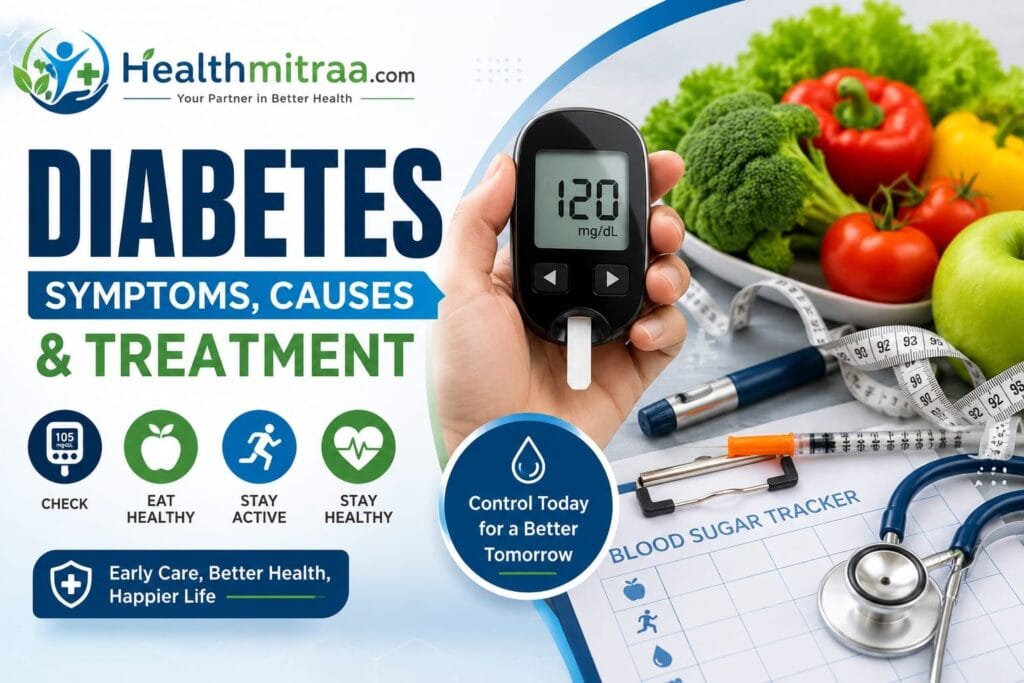
Diabetes is one of the most common chronic diseases worldwide, affecting millions of people every year. It occurs when the body is unable to regulate blood sugar (glucose) levels properly. Glucose is the body’s primary source of energy, and insulin—a hormone produced by the pancreas—helps move glucose from the bloodstream into the body’s cells. When the body does not produce enough insulin or cannot use insulin effectively, blood sugar levels rise, leading to diabetes.
If diabetes remains uncontrolled for a long period, it can damage the heart, kidneys, eyes, nerves, and blood vessels. The good news is that with early diagnosis, healthy lifestyle changes, regular exercise, and proper medical treatment, diabetes can be effectively managed, allowing people to live healthy and active lives.
This article explains the causes, symptoms, types, and risk factors of diabetes in simple language.
What is Diabetes?
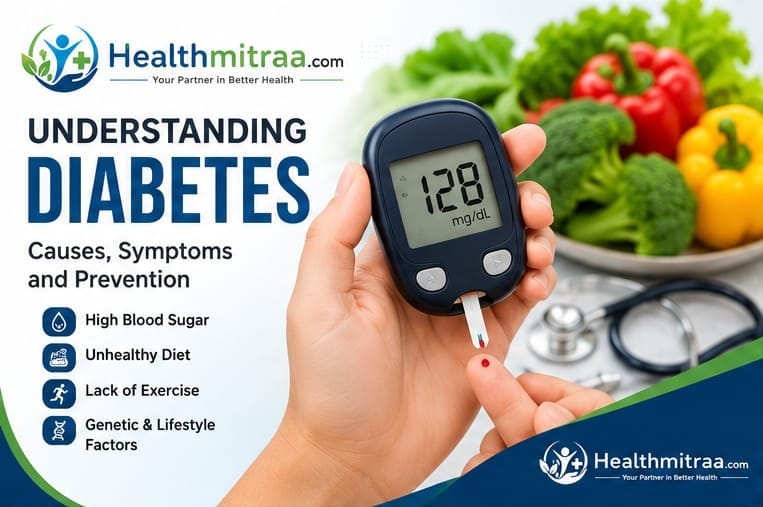
Diabetes mellitus is a long-term medical condition in which blood glucose levels remain higher than normal. Normally, the pancreas releases insulin after eating, allowing glucose to enter the body’s cells and be used for energy.
In people with diabetes, this process does not work properly. As a result, glucose stays in the bloodstream instead of entering the cells. Over time, persistently high blood sugar can lead to serious health complications if left untreated.
Types of Diabetes
- Type 1 Diabetes
Type 1 diabetes is an autoimmune disease in which the body’s immune system mistakenly attacks the insulin-producing cells in the pancreas. As a result, the body produces little or no insulin.
It usually develops during childhood or adolescence but can occur at any age. People with Type 1 diabetes require lifelong insulin therapy to survive.
Common Features
- Usually develops before the age of 30
- Requires daily insulin injections
- Cannot be prevented with lifestyle changes
- Symptoms often appear suddenly
- Type 2 Diabetes
Type 2 diabetes is the most common form of diabetes, accounting for nearly 90–95% of all cases. In this condition, the body either does not produce enough insulin or becomes resistant to its effects.
Type 2 diabetes develops gradually and is strongly linked to unhealthy lifestyle habits, obesity, physical inactivity, and family history.
Many people can manage Type 2 diabetes with healthy eating, weight management, regular exercise, oral medicines, and sometimes insulin.
- Gestational Diabetes
Gestational diabetes develops during pregnancy in women who previously did not have diabetes.
Although blood sugar levels usually return to normal after childbirth, women who develop gestational diabetes have a higher risk of developing Type 2 diabetes later in life. Proper monitoring during pregnancy helps reduce risks for both the mother and baby.
Causes of Diabetes
The causes vary depending on the type of diabetes.
Causes of Type 1 Diabetes
The exact cause is still unknown, but experts believe it results from a combination of genetic and environmental factors that trigger an autoimmune response.
Possible contributing factors include:
- Family history
- Autoimmune disorders
- Certain viral infections
- Genetic susceptibility

Causes of Type 2 Diabetes
Several lifestyle and genetic factors increase the likelihood of developing Type 2 diabetes.
Common causes include:
Obesity
Excess body fat, especially around the abdomen, increases insulin resistance.
Physical Inactivity
Lack of regular exercise reduces the body’s ability to use insulin effectively.
Unhealthy Diet
Frequent consumption of sugary drinks, processed foods, refined carbohydrates, and fast food increases the risk.
Family History
Having parents or siblings with diabetes significantly raises the risk.
Increasing Age
The risk increases after the age of 45, although younger adults and even children are now increasingly affected.
Hormonal Disorders
Certain hormonal conditions can interfere with insulin function.
High Blood Pressure and High Cholesterol
These conditions often occur together with Type 2 diabetes as part of metabolic syndrome.
Symptoms of Diabetes
The symptoms may develop slowly in Type 2 diabetes but can appear suddenly in Type 1 diabetes.
Common symptoms include:
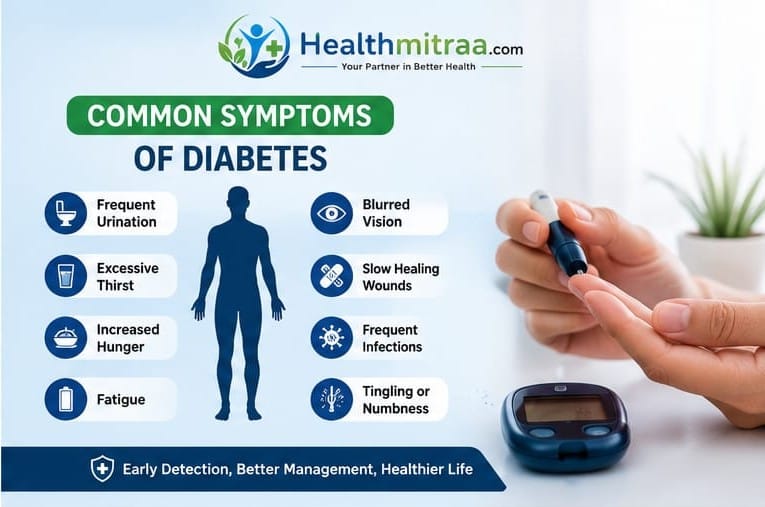
Frequent Urination
High blood sugar causes the kidneys to remove excess glucose through urine, leading to frequent urination.
Excessive Thirst
Loss of body fluids through frequent urination makes a person feel constantly thirsty.
Increased Hunger
Despite eating normally, the body’s cells cannot use glucose effectively for energy.
Unexplained Weight Loss
This is more common in Type 1 diabetes because the body starts breaking down fat and muscle for energy.
Fatigue
Without enough glucose entering the cells, people often feel tired and weak.
Blurred Vision
High blood sugar affects the eye lenses, causing temporary vision changes.
Slow-Healing Wounds
Cuts and wounds take longer to heal because diabetes affects blood circulation and immune function.
Frequent Infections
People with diabetes are more likely to develop skin infections, urinary tract infections, and fungal infections.
Tingling or Numbness
Risk Factors for Diabetes
Several factors increase the likelihood of developing diabetes.
- Family history of diabetes
- Being overweight or obese
- Lack of physical activity
- Age over 45 years
- High blood pressure
- High cholesterol levels
- History of gestational diabetes
- Polycystic Ovary Syndrome (PCOS)
- Smoking
- Excessive alcohol consumption
- Unhealthy diet
- Chronic stress
- Poor sleep habits
People with multiple risk factors should undergo regular blood sugar screening even if they have no symptoms.
Complications of Uncontrolled Diabetes
If diabetes is not managed properly, persistently high blood sugar can damage many organs over time.
Possible complications include:
- Heart disease
- Stroke
- Kidney disease
- Nerve damage (diabetic neuropathy)
- Eye damage (diabetic retinopathy)
- Vision loss
- Foot ulcers
- Increased risk of infections
- Poor wound healing
- Amputation in severe cases
Early diagnosis and proper treatment greatly reduce the risk of these complications.

Diagnosis, Treatment, Prevention and Management of Diabetes
Diagnosis of Diabetes
Early diagnosis is essential because diabetes often develops gradually. If you have symptoms such as frequent urination, excessive thirst, unexplained weight loss, or a family history of diabetes, your doctor may recommend one or more blood sugar tests.
Common tests include:
- Fasting Blood Sugar (FBS)
This test measures blood sugar after fasting for at least 8 hours. It is one of the most common tests used to detect diabetes.
- HbA1c Test
The HbA1c test shows your average blood sugar level over the previous 2–3 months. It is widely used to diagnose diabetes and monitor long-term blood sugar control.
- Random Blood Sugar (RBS)
This test measures blood sugar at any time of the day, regardless of when you last ate. It is often used when diabetes symptoms are present.
- Oral Glucose Tolerance Test (OGTT)
This test checks how your body processes glucose after drinking a sugary solution. It is commonly used during pregnancy to diagnose gestational diabetes.
Only a qualified healthcare professional can interpret these test results and confirm a diagnosis.
Treatment of Diabetes
The treatment plan depends on the type of diabetes, blood sugar levels, age, overall health, and other medical conditions.
Healthy Diet: A balanced diet is one of the most important parts of diabetes management. Eating plenty of vegetables, whole grains, pulses, lean protein, healthy fats, and fiber-rich foods can help maintain stable blood sugar levels. Limit sugary drinks, sweets, refined carbohydrates, processed foods, and excessive salt.
Regular Exercise: Physical activity helps the body use insulin more effectively. Most adults should aim for at least 150 minutes of moderate exercise each week, such as brisk walking, cycling, swimming, or jogging.
Weight Management: Maintaining a healthy body weight improves insulin sensitivity and can significantly reduce the risk of Type 2 diabetes complications.
Medicines: Some people with Type 2 diabetes may need oral medicines to control blood sugar. Others may require insulin therapy if medications alone are not sufficient.
People with Type 1 diabetes require lifelong insulin therapy because their bodies produce little or no insulin. Always take medicines exactly as prescribed by your doctor.
Diabetes Diet Tips
A healthy eating plan can make a major difference in blood sugar control.
Choose foods such as:
- Fresh vegetables
- Fruits in moderation
- Whole grains
- Brown rice
- Oats
- Lentils and beans
- Eggs
- Fish
- Skinless chicken
- Low-fat dairy products
- Nuts and seeds
Try to avoid:
- Sugary soft drinks
- Cakes and pastries
- Candy
- White bread
- Deep-fried foods
- Processed snacks
- Fast food
- Excessive alcohol
Eating smaller meals at regular intervals instead of large meals may also help maintain stable blood sugar levels.
Lifestyle Changes
Healthy lifestyle habits play an important role in diabetes management.
- Exercise regularly.
- Maintain a healthy weight.
- Quit smoking.
- Limit alcohol consumption.
- Sleep for 7–9 hours every night.
- Drink enough water throughout the day.
- Reduce stress through yoga, meditation, or deep breathing exercises.
- Monitor blood sugar regularly if recommended by your doctor.
Prevention of Type 2 Diabetes
Although Type 1 diabetes cannot currently be prevented, many cases of Type 2 diabetes can be delayed or prevented by adopting healthy habits.
You can reduce your risk by:
- Eating a balanced diet
- Exercising regularly
- Maintaining a healthy body weight
- Avoiding tobacco products
- Limiting sugary foods and drinks
- Managing blood pressure and cholesterol
- Getting enough sleep
- Having regular health check-ups
Small lifestyle changes can have a significant impact on long-term health.
Doctor’s Advice
If you have symptoms of diabetes or belong to a high-risk group, consult a qualified doctor as early as possible.
Seek medical advice immediately if you experience:
- Extremely high blood sugar levels
- Severe weakness
- Persistent vomiting
- Difficulty breathing
- Confusion
- Loss of consciousness
- Severe dehydration
People diagnosed with diabetes should never stop taking medicines or insulin without consulting their healthcare provider. Regular follow-up appointments, blood sugar monitoring, and routine eye, kidney, and foot examinations are essential for preventing complications.
Frequently Asked Questions (FAQs)
1.Can diabetes be cured?
Currently, there is no permanent cure for diabetes. However, it can be effectively managed with healthy lifestyle changes, regular monitoring, and appropriate medical treatment.
2.Can eating too much sugar directly cause diabetes?
Eating excessive sugar alone does not directly cause diabetes, but a diet high in calories and sugary foods can contribute to obesity, which increases the risk of Type 2 diabetes.
3.Can people with diabetes eat fruit?
Yes. Most fruits can be included in a balanced diet when eaten in appropriate portions. Your doctor or dietitian can guide you based on your individual health needs.
4.Is exercise important for diabetes?
Yes. Regular physical activity improves insulin sensitivity, helps control blood sugar levels, supports weight management, and reduces the risk of heart disease.
5.How often should blood sugar be checked?
The frequency depends on the type of diabetes and your treatment plan. Follow your doctor’s recommendations regarding home monitoring and laboratory testing.
Conclusion
Diabetes is a lifelong condition, but it can be successfully managed with early diagnosis, healthy eating, regular physical activity, weight control, proper medication, and routine medical care. Ignoring high blood sugar may lead to serious complications affecting the heart, kidneys, eyes, nerves, and blood vessels.
Regular health check-ups, following your doctor’s advice, and adopting a healthy lifestyle are the best ways to maintain good blood sugar control and improve overall quality of life. Taking small but consistent steps today can help prevent complications and support a healthier future.