Introduction
Have you ever found yourself coughing repeatedly at night, feeling short of breath after climbing a few stairs, or hearing a whistling sound while breathing? Many people assume these symptoms are caused by a seasonal allergy, a lingering cold, or simply being out of shape. However, they can sometimes be the early warning signs of asthma, a common long-term condition that affects the airways in the lungs.
Asthma affects millions of children and adults worldwide. While some people experience only mild and occasional symptoms, others may have severe flare-ups that make breathing difficult and require immediate medical attention. The encouraging news is that asthma can often be managed successfully with early diagnosis, proper treatment, and healthy lifestyle choices.
Recognizing the warning signs early is one of the most important steps in preventing serious complications. The sooner asthma is identified, the easier it is to control symptoms and maintain an active, healthy life.
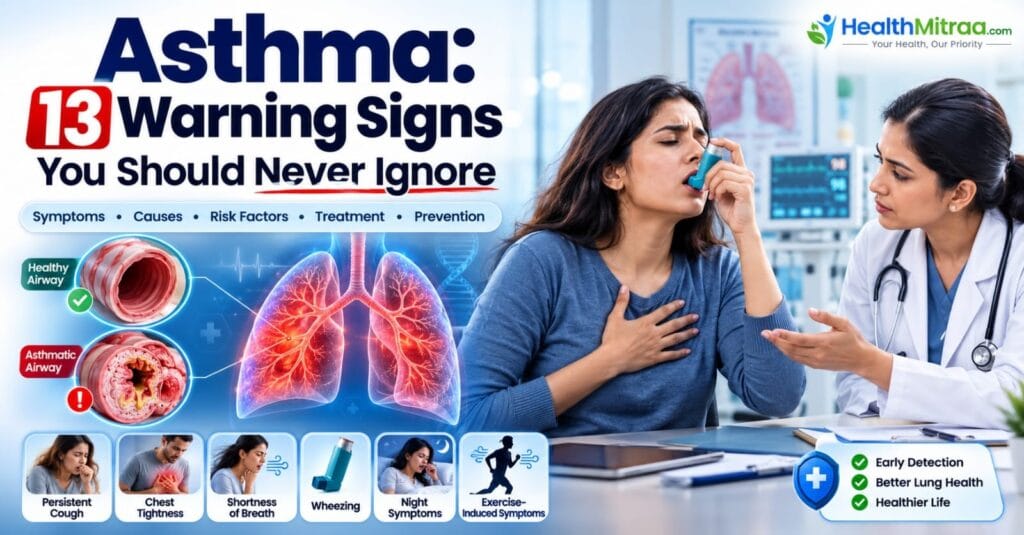
In this guide, you’ll learn what asthma is, why it develops, the 13 warning signs you should never ignore, common triggers, treatment options, prevention tips, and when it’s important to seek medical care.
What Is Asthma?
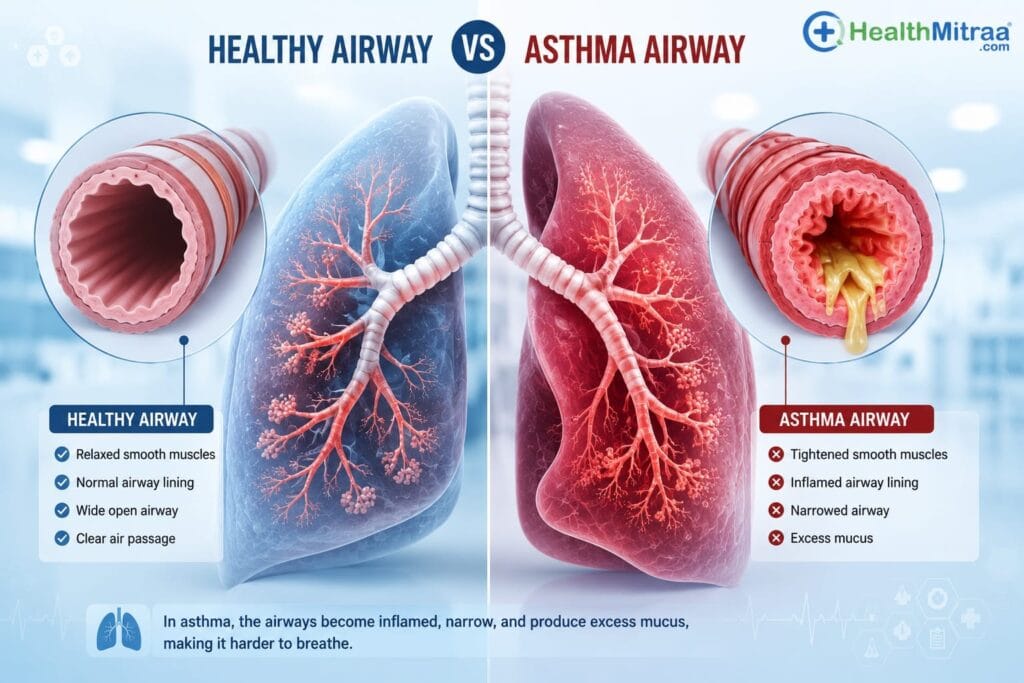
It is a chronic inflammatory disease of the airways, which are the tubes that carry air in and out of your lungs. In people with asthma, these airways become swollen, overly sensitive, and narrower than normal, making it harder for air to flow freely.
When exposed to certain triggers, the muscles surrounding the airways tighten, the lining becomes inflamed, and excess mucus may build up. Together, these changes can make breathing difficult and lead to symptoms such as coughing, wheezing, chest tightness, and shortness of breath.
Although it is usually cannot be cured, it can often be controlled effectively. With the right treatment plan and by avoiding known triggers, many people with asthma live normal, active lives without significant limitations.
How Does Asthma Affect the Lungs?
Healthy airways remain open and flexible, allowing oxygen to move easily into the lungs. During an asthma flare-up, however, several changes occur at the same time:
- The airway lining becomes inflamed and swollen.
- The muscles around the airways tighten.
- Thick mucus may block the air passages.
- Less oxygen-rich air reaches the lungs.
These changes can happen suddenly or develop gradually over several hours. Depending on the severity, symptoms may range from mild discomfort to serious breathing difficulty that requires emergency treatment.
Types of Asthma
It is not the same for everyone. Healthcare professionals classify it into different types based on its cause or the triggers involved.
Allergic Asthma
This is the most common form of asthma. Symptoms are triggered by allergens such as pollen, dust mites, pet dander, mold, or other environmental allergens.
Non-Allergic Asthma
Some people develop it without having allergies. Their symptoms may be triggered by viral infections, cold air, smoke, strong odors, stress, or air pollution.
Exercise-Induced Bronchoconstriction
Physical activity can temporarily narrow the airways in some individuals, leading to coughing, wheezing, chest tightness, or shortness of breath during or shortly after exercise.
Occupational Asthma
Exposure to workplace irritants such as chemical fumes, dust, gases, or industrial particles can trigger asthma symptoms in some occupations.
Severe Asthma
A small percentage of people continue to experience frequent symptoms despite following standard treatment. These individuals often require specialist care and more advanced treatment strategies.
What Causes Asthma?
It develops because the airways become overly sensitive and inflamed. While experts do not believe there is a single cause, it usually results from a combination of genetic and environmental factors. Some people are born with a higher risk, while others develop it after repeated exposure to certain triggers.
Common causes and contributing factors include:
- A family history of asthma or allergies
- Exposure to allergens such as pollen, dust mites, mold, or pet dander
- Respiratory infections during childhood
- Air pollution and cigarette smoke
- Workplace exposure to chemicals, dust, or fumes
- Cold air or sudden weather changes
- Excess body weight, which may worsen breathing problems in some people
Understanding what causes your symptoms can help you manage asthma more effectively and reduce the risk of flare-ups.
Risk Factors for Asthma
Although anyone can develop asthma, certain factors increase the likelihood of developing the condition.
These include:
- Having a parent or sibling with asthma
- A personal history of eczema or allergic rhinitis (hay fever)
- Smoking or frequent exposure to secondhand smoke
- Living in areas with high air pollution
- Obesity
- Premature birth or low birth weight
- Regular exposure to occupational dust or chemical irritants
Having one or more risk factors does not necessarily mean you will develop asthma, but it may increase your chances.
Common Asthma Triggers
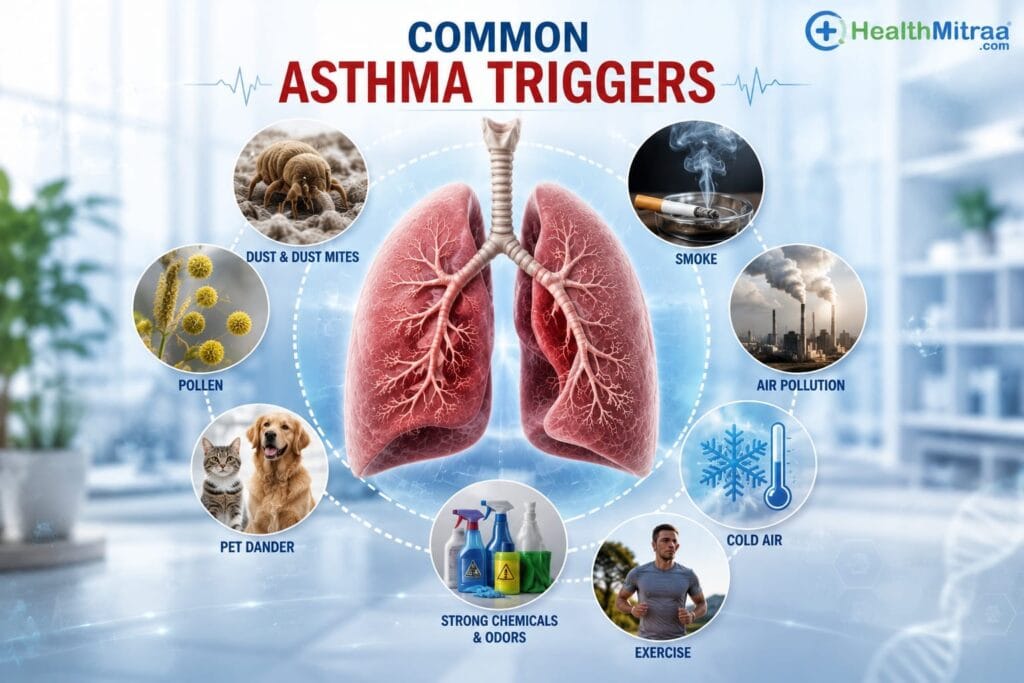
Asthma symptoms often appear or worsen after exposure to certain triggers. These triggers vary from person to person, making it important to identify and avoid your own.
Some of the most common asthma triggers include:
- Dust mites
- Pollen
- Pet dander
- Mold spores
- Tobacco smoke
- Air pollution
- Strong perfumes and chemical fumes
- Cold air
- Respiratory infections such as the common cold or flu
- Exercise, especially in cold weather
- Emotional stress or anxiety
- Certain medications, including aspirin in sensitive individuals
Avoiding known triggers can significantly reduce the frequency of its symptoms.
13 Warning Signs You Should Never Ignore
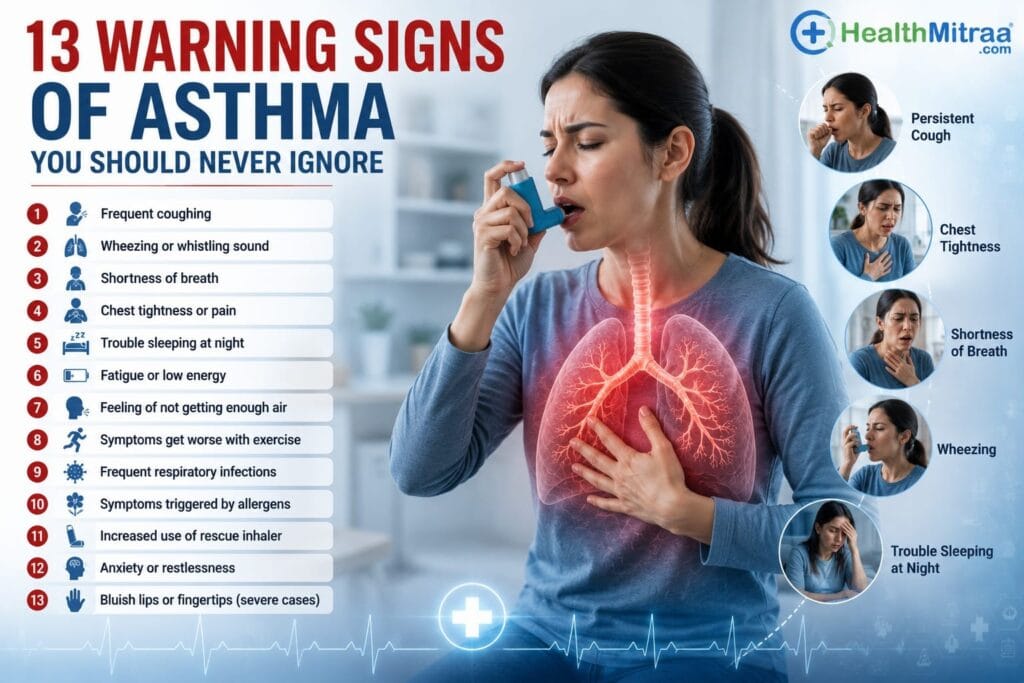
Recognizing it early can help prevent severe attacks and improve long-term control. While symptoms vary from person to person, the following warning signs should never be ignored.
1. Frequent Coughing
A persistent cough, especially at night, early in the morning, or after exercise, is one of the earliest signs . Unlike a typical cough caused by a cold, it may continue for weeks or keep returning.
2. Wheezing
Wheezing is a high-pitched whistling sound that occurs while breathing, particularly when breathing out. It happens because narrowed airways restrict airflow. Although wheezing does not always mean asthma, it should always be evaluated by a healthcare professional.
3. Shortness of Breath
Feeling breathless during activities that previously felt easy—such as climbing stairs, walking briskly, or playing with children—may indicate that the airways are becoming narrowed.
4. Chest Tightness
Many people describe asthma-related chest tightness as a feeling of pressure, squeezing, or heaviness in the chest. This sensation may come and go or become worse after exposure to triggers.
5. Difficulty Breathing at Night
It symptoms often become worse while sleeping. Waking up because of coughing, wheezing, or difficulty breathing is an important warning sign that should not be ignored.
6. Rapid Breathing
Breathing faster than usual, even while resting, may be a sign that your lungs are struggling to get enough air. Some people also feel unable to take a deep, satisfying breath.
7. Feeling Tired After Mild Activity
When your lungs cannot deliver enough oxygen efficiently, even simple daily tasks may leave you feeling unusually tired. Fatigue alone does not confirm asthma, but when it occurs alongside breathing problems, it should not be overlooked.
8. Frequent Respiratory Infections
If you regularly develop colds, bronchitis, or other chest infections that take longer than expected to improve, it may be contributing to the problem. Inflamed airways can make the lungs more vulnerable to infections and slower to recover.
9. Coughing After Exercise
Some people notice that their cough begins only after running, cycling, or other physical activities. This may be a sign of exercise-induced bronchoconstriction, a form of it triggered by exercise.
10. Symptoms That Worsen During Allergy Season
If breathing problems become worse during spring, fall, or after exposure to dust, pollen, mold, or pets, allergic asthma could be the underlying cause. Keeping track of when symptoms occur may help identify specific triggers.
11. Needing Frequent Breaks While Walking
If you find yourself stopping repeatedly to catch your breath during routine activities, it may indicate that your airways are narrowing more than they should. This symptom deserves medical evaluation, especially if it continues or becomes more frequent.
12. Difficulty Speaking During Breathing Episodes
During a moderate or severe asthma flare-up, some people become so short of breath that speaking full sentences becomes difficult. This is a warning sign that requires prompt medical attention.
13. Bluish Lips or Fingertips
A bluish color around the lips or fingertips may indicate that the body is not receiving enough oxygen. This is a medical emergency and requires immediate emergency care. Do not wait for symptoms to improve on their own.
How Is Asthma Diagnosed?
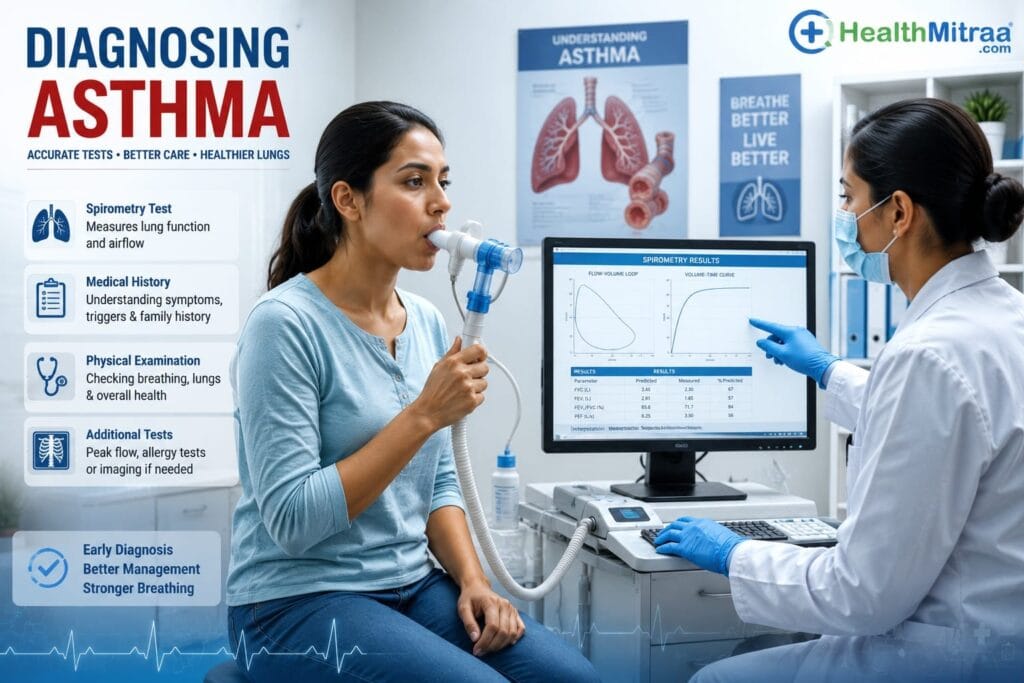
Diagnosing it involves more than simply discussing symptoms. A healthcare professional will usually combine your medical history, physical examination, and breathing tests to determine whether asthma is the cause of your symptoms.
Your doctor may ask questions such as:
- When did your symptoms begin?
- Do they become worse at night or after exercise?
- Are symptoms triggered by dust, pollen, smoke, pets, or cold air?
- Does anyone in your family have asthma or allergies?
Based on your answers, additional tests may be recommended to confirm the diagnosis.
Common Tests Used to Diagnose Asthma
Physical Examination
Your healthcare provider will listen to your lungs, review your breathing pattern, and look for signs of allergies or other conditions that could be causing your symptoms.
Spirometry
Spirometry is one of the most common lung function tests used to diagnose asthma. It measures how much air you can breathe in and out and how quickly you can empty your lungs. The results help determine whether your airways are narrowed.
Peak Flow Test
A peak flow meter measures how fast you can blow air out of your lungs. People with asthma may also use this simple device at home to monitor how well their condition is controlled and recognize worsening symptoms early.
Asthma Treatment Options
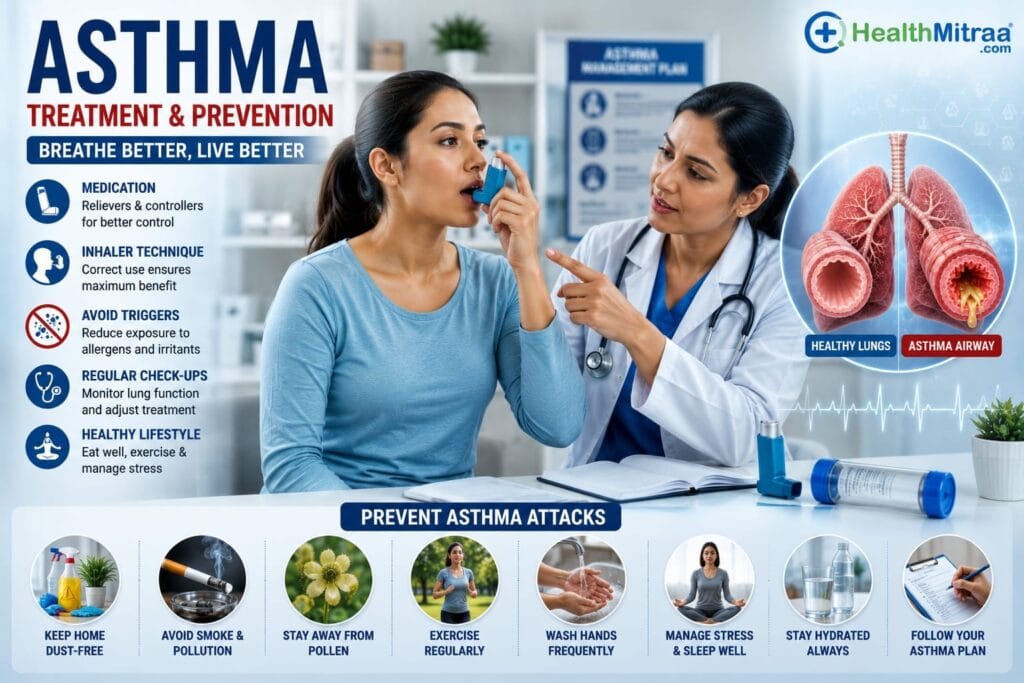
Although it cannot usually be cured, it can be managed effectively with the right treatment plan. The main goals of treatment are to control symptoms, reduce the risk of asthma attacks, improve daily quality of life, and help you stay active.
Your healthcare provider will recommend a treatment plan based on your age, symptom severity, and how often flare-ups occur.
Quick-Relief Medicines
Quick-relief medicines, sometimes called rescue inhalers, work by relaxing the muscles around the airways. They are used during sudden asthma symptoms or an asthma attack to help make breathing easier.
However, needing a rescue inhaler frequently may indicate that your asthma is not well controlled. If you find yourself relying on it often, consult your healthcare provider.
Long-Term Controller Medicines
People with persistent it may need daily controller medicines to reduce inflammation inside the airways and prevent future symptoms.
These medicines help lower the frequency of flare-ups but usually do not provide immediate relief during an asthma attack. Your doctor will determine whether long-term treatment is appropriate for your condition.
Biologic Therapies
For some people with severe asthma that does not respond well to standard treatment, biologic therapies may be recommended by a specialist. These medicines target specific parts of the immune system involved in airway inflammation.
They are generally reserved for carefully selected patients after a thorough medical evaluation.
Asthma Action Plan
Many healthcare professionals recommend creating a personalized asthma action plan. This written plan explains:
- Which medicines to take regularly
- How to recognize worsening symptoms
- What to do during an asthma flare-up
- When emergency medical care is needed
Following an asthma action plan can improve symptom control and reduce emergency visits.
Home Care and Lifestyle Changes
Healthy daily habits play an important role in managing it. While lifestyle changes cannot replace medical treatment, they can help reduce symptoms and lower the risk of attacks.
Avoid Known Triggers
Once you identify your personal triggers, take practical steps to avoid or reduce exposure whenever possible. For example, keep your home clean to reduce dust mites, avoid cigarette smoke, and stay indoors when pollen levels are very high if seasonal allergies trigger your symptoms.
Take Medicines as Prescribed
Always use your inhaler or other prescribed medicines exactly as directed by your healthcare provider. Stopping treatment on your own, even when you feel well, may increase the risk of future flare-ups.
Stay Physically Active
Regular physical activity supports overall lung health and fitness. If exercise triggers its symptoms, talk to your doctor about safe ways to stay active rather than avoiding exercise altogether.
Maintain a Healthy Weight
Being overweight or obese may make symptoms more difficult to control. Eating a balanced diet and staying physically active can support both lung health and overall well-being.
Prevent Respiratory Infections
Simple habits can reduce your risk of infections that may trigger symptoms:
- Wash your hands regularly.
- Avoid close contact with people who are sick.
- Stay up to date with recommended vaccinations after discussing them with your healthcare provider.
- Get enough sleep to support your immune system.
Tips to Help Prevent Asthma Flare-Ups
Although it cannot always be prevented, many flare-ups can be reduced by following healthy habits.
- Identify and avoid your personal triggers.
- Keep your home free from dust and mold whenever possible.
- Do not smoke, and avoid secondhand smoke.
- Follow your prescribed treatment plan consistently.
- Carry your rescue inhaler if your doctor recommends it.
- Manage seasonal allergies if they worsen your symptoms.
- Schedule regular follow-up visits to review your asthma control.
Possible Complications of Asthma
When it is properly managed, most people can live healthy and active lives. However, if symptoms are ignored or treatment is delayed, asthma may lead to serious complications.
Possible complications include:
- Frequent attacks
- Reduced lung function over time
- Difficulty performing daily activities
- Sleep disturbances caused by nighttime symptoms
- Repeated respiratory infections
- Emergency hospitalization during severe asthma attacks
- In rare cases, life-threatening breathing problems
Seeking medical care early and following your treatment plan can significantly reduce these risks.
When to See a Doctor
You should schedule a medical appointment if you:
- Have a persistent cough lasting more than a few weeks
- Experience repeated wheezing or chest tightness
- Feel short of breath during normal daily activities
- Wake up at night because of coughing or breathing difficulty
- Notice your symptoms becoming more frequent or severe
- Need your rescue inhaler more often than usual
Seek Emergency Medical Care Immediately If You:
- Have severe difficulty breathing.
- Cannot speak in full sentences because of breathlessness.
- Notice bluish lips, face, or fingertips.
- Feel your symptoms are getting worse rapidly despite using your prescribed rescue inhaler.
- Become confused, extremely drowsy, or lose consciousness.
These signs may indicate a severe attack that requires immediate emergency treatment.
Frequently Asked Questions (FAQs)
Can asthma be cured permanently?
No. it is usually cannot be cured, but it can often be managed successfully with proper treatment, trigger avoidance, and regular follow-up with your healthcare provider.
Is asthma contagious?
No. it is not an infectious disease and cannot spread from one person to another through coughing, sneezing, or physical contact.
Can children outgrow asthma?
Some children experience fewer symptoms as they grow older. However, it may return later in life, so regular medical follow-up remains important.
Is exercise safe for people with asthma?
Yes. Most people with well-controlled asthma can safely exercise. If physical activity triggers symptoms, your healthcare provider can recommend strategies to help you stay active.
What are the most common asthma triggers?
Common triggers include dust mites, pollen, mold, pet dander, cigarette smoke, air pollution, respiratory infections, cold air, exercise, and strong chemical odors.
Can stress make asthma worse?
Yes. Emotional stress and anxiety may trigger or worsen its symptoms in some people. Learning healthy stress-management techniques may help reduce flare-ups.
Key Takeaways
- it is a long-term condition that causes inflammation and narrowing of the airways.
- Early recognition of warning signs can help prevent serious asthma attacks.
- Avoiding personal triggers plays an important role in controlling symptoms.
- Following your prescribed treatment plan improves long-term asthma control.
- Healthy lifestyle habits can reduce the frequency of flare-ups.
- Never ignore severe breathing difficulty or bluish lips, as these require immediate emergency care.
- Regular follow-up with your healthcare provider helps keep asthma well controlled.
Conclusion
It is a common but manageable condition that affects people of all ages. Understanding its warning signs, recognizing personal triggers, and seeking timely medical care can make a significant difference in controlling symptoms and preventing complications.
With the right combination of medical treatment, healthy lifestyle habits, and regular follow-up, many people with asthma lead active, productive, and fulfilling lives. If you or someone you know experiences persistent coughing, wheezing, shortness of breath, or other warning signs discussed in this article, do not ignore them. An early evaluation by a qualified healthcare professional can lead to an accurate diagnosis and an effective treatment plan.
Explore More:
- High Blood Pressure: Symptoms, Causes & Treatment
- Thyroid Disorders: Symptoms and Treatment
- Vitamin D Deficiency: Signs and Prevention
- Arthritis: Early Warning Signs
- Diabetes: Symptoms, Causes & Management
Sources:
Medical Disclaimer:
This article is intended for educational and informational purposes only. It is not a substitute for professional medical advice, diagnosis, or treatment. Always consult a qualified healthcare professional regarding any medical condition or treatment decisions. Never ignore or delay seeking medical care because of information you have read online.