Introduction
Imagine you’re in the middle of an important meeting, driving home, or enjoying time with your family when a severe headache suddenly begins. Within minutes, bright lights become unbearable, everyday sounds feel overwhelming, and even the simplest tasks seem impossible. If you’ve experienced something like this, it may be more than just a bad headache. It could be a migraine—a neurological condition that affects millions of people worldwide.
Migraine is far more than intense head pain. Many people also experience nausea, vomiting, dizziness, sensitivity to light and sound, and temporary vision changes known as an aura. These symptoms can last for several hours or even days, disrupting work, studies, social activities, and overall quality of life.
Although neurological condition cannot always be prevented, it can often be managed successfully with early diagnosis, appropriate treatment, healthy lifestyle habits, and by identifying personal triggers. Understanding the condition is the first step toward reducing the frequency and severity of migraine attacks.
In this comprehensive guide, you’ll learn what migraine is, why it happens, the 13 warning signs you should never ignore, common causes and triggers, available treatment options, practical prevention strategies, and when it’s important to seek medical attention.
What Is Migraine?
Migraine is a neurological disorder that affects the brain and nervous system. Unlike an ordinary headache, neurological condition often causes moderate to severe throbbing pain, usually on one side of the head, although it can sometimes affect both sides. The pain is frequently accompanied by symptoms such as nausea, vomiting, and increased sensitivity to light, sound, or even certain smells.
A neurological condition attack is more than just a headache. It is a complex condition that may develop gradually and, in some people, begins with early warning symptoms hours or even a day before the headache starts. Some individuals also experience temporary visual or sensory disturbances, known as an aura, before the pain begins.
Neurological condition attacks can last anywhere from 4 to 72 hours if left untreated. During this time, routine activities such as working, studying, driving, or even having a conversation may become difficult. After the headache subsides, many people continue to feel tired, mentally drained, or unable to concentrate for several hours or even a day.
Neurological condition affects people of all ages, but it is more common in women than men. While some individuals experience only a few attacks each year, others may have neurological condition several times a month, significantly affecting their quality of life.
The good news is that neurological condition can often be managed successfully. With early diagnosis, the right treatment plan, and healthy lifestyle changes, many people are able to reduce both the frequency and severity of neurological condition attacks.
How Does a Migraine Occur?
Although researchers do not fully understand the exact cause of migraine, it is believed to result from abnormal activity in the brain that temporarily affects nerve signals, blood vessels, and certain chemicals involved in pain regulation.
One of these chemicals is serotonin, which plays an important role in communication between nerve cells. Changes in serotonin levels, along with other brain chemicals, may contribute to the development of a neurological condition. These changes can activate pain-sensitive nerves around the brain, leading to inflammation and the characteristic throbbing headache.
Migraine is therefore considered a neurological condition rather than simply a problem with blood vessels or muscles.
Types of Migraine
Neurological condition is not the same for everyone. Healthcare professionals classify it into several types based on the symptoms experienced during an attack.
Migraine Without Aura
This is the most common type of neurological condition. It causes recurring headache attacks without any warning visual or sensory symptoms beforehand. The pain is often accompanied by nausea and sensitivity to light and sound.
Migraine With Aura
Some people experience temporary neurological symptoms before or during a neurological condition attack. These may include flashing lights, blind spots, zigzag lines, tingling sensations, numbness, or temporary difficulty speaking. Aura symptoms usually last between 5 and 60 minutes before gradually disappearing.
Chronic Migraine
Chronic neurological condition is diagnosed when a person experiences headaches on 15 or more days each month, with migraine symptoms occurring on at least eight of those days for more than three months. This type can have a significant impact on work, relationships, and daily activities.
Vestibular Migraine
Vestibular neurological condition mainly affects balance rather than causing severe head pain. People may experience dizziness, vertigo, motion sensitivity, or a feeling that their surroundings are spinning, sometimes even without a noticeable headache.
Menstrual Migraine
Some women experience neurological condition attacks around the time of their menstrual period due to natural hormonal changes, particularly fluctuations in estrogen levels. These attacks often follow a predictable pattern and may require specific management strategies.
What Causes Migraine?
Neurological condition does not have a single known cause. Instead, experts believe it develops from a combination of genetic, neurological, hormonal, and environmental factors. These factors can make the brain more sensitive to certain triggers, increasing the likelihood of a neurological condition attack.
For many people, neurological condition tends to run in families, suggesting that inherited genes play an important role. However, not everyone with a family history will develop migraine, and people without affected relatives can also experience it.
Researchers also believe that temporary changes in brain activity and fluctuations in chemicals involved in pain regulation, such as serotonin, contribute to neurological condition attacks. While the exact mechanism is still being studied, current evidence suggests that neurological condition is a complex neurological disorder rather than simply a severe headache.
Risk Factors for Migraine
Although anyone can develop neurological condition, certain factors increase the risk.
These include:
- A family history of neurological condition
- Being female, as hormonal changes can influence neurological condition attacks
- Hormonal fluctuations during menstruation, pregnancy, or menopause
- Chronic stress or anxiety
- Poor or irregular sleep habits
- Depression or other mood disorders
- Obesity
- Certain neurological or medical conditions
Having one or more of these risk factors does not necessarily mean you will develop neurological condition, but it may increase your chances.
Common Migraine Triggers
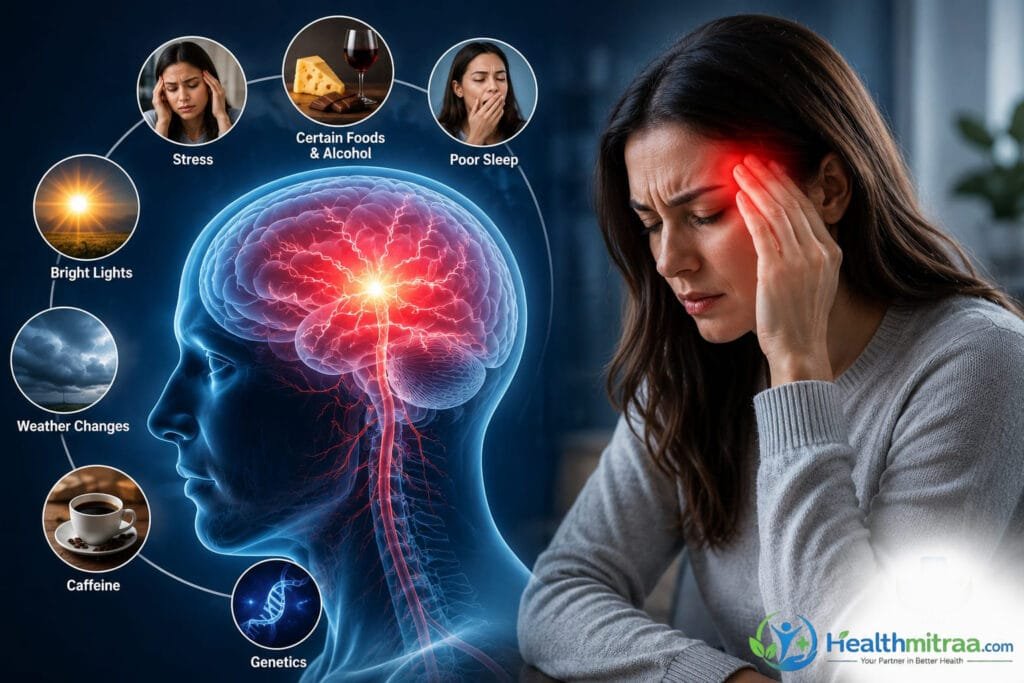
Neurological condition attacks are often triggered by specific factors. These triggers vary from person to person, so identifying your own can help reduce the frequency of attacks.
Some of the most common neurological condition triggers include:
Emotional Stress
Stress is one of the most frequently reported neurological condition triggers. Work pressure, family responsibilities, emotional distress, or sudden relaxation after a stressful period may contribute to an attack.
Lack of Sleep
Sleeping too little, sleeping too much, or having an irregular sleep schedule can increase the risk of it. Maintaining consistent sleep habits may help reduce attacks.
Hormonal Changes
Many women notice that migraine attacks occur around their menstrual cycle due to changes in estrogen levels. Pregnancy and menopause may also affect neurological condition patterns.
Certain Foods and Drinks
Some people find that specific foods or beverages trigger this attacks. Common examples include processed meats, aged cheeses, chocolate, artificial sweeteners, foods containing monosodium glutamate (MSG), and alcoholic beverages. However, triggers vary widely between individuals.
Dehydration
Not drinking enough water can trigger headaches and neurological condition attacks in some people. Staying well hydrated throughout the day may help lower this risk.
Bright Lights and Loud Sounds
Flashing lights, prolonged screen time, loud music, or noisy environments can trigger neurological condition in sensitive individuals.
Strong Smells
Strong perfumes, cigarette smoke, paint fumes, and certain chemical odors may trigger neurological condition attacks in some people.
Weather Changes
Sudden changes in temperature, humidity, or air pressure may contribute to neurological condition attacks in susceptible individuals.
Skipping Meals
Missing meals or fasting for long periods may cause blood sugar levels to drop, increasing the likelihood of a migraine attack.
Excessive Caffeine or Caffeine Withdrawal
While small amounts of caffeine may help relieve neurological condition symptoms in some people, consuming too much caffeine—or suddenly stopping it after regular use—can trigger attacks in others.
Understanding your personal neurological condition triggers is an important part of long-term migraine management. Keeping a headache diary that records symptoms, meals, sleep patterns, stress levels, and environmental exposures may help identify patterns over time.
13 Warning Signs of Migraine You Should Never Ignore
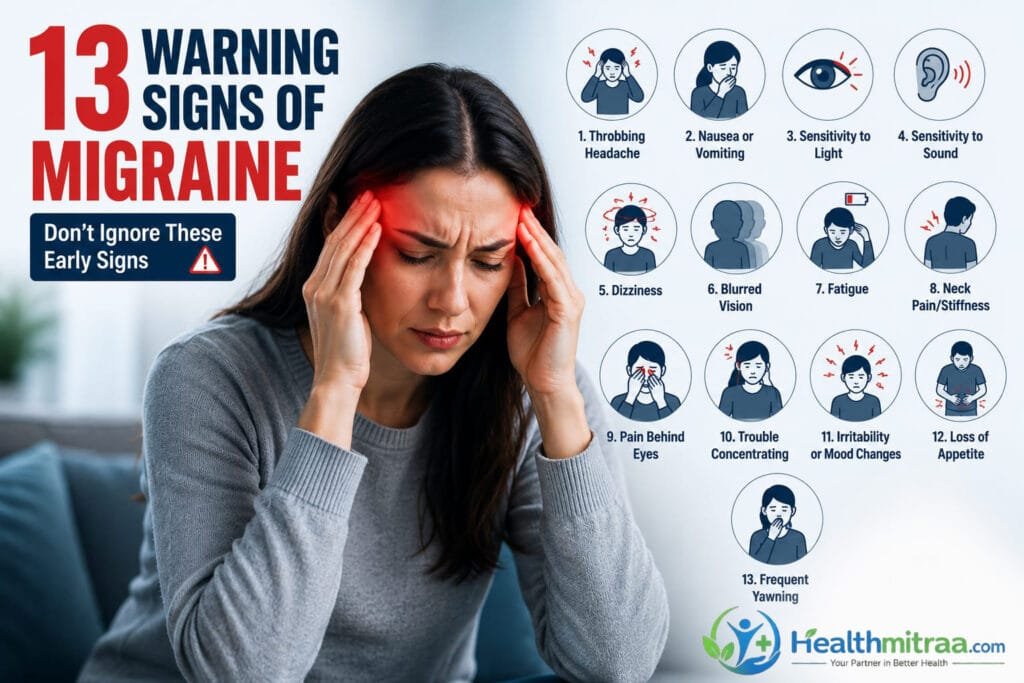
Migraine symptoms can vary from person to person. Some people experience only a few symptoms, while others develop several at the same time. Recognizing these warning signs early can help you seek appropriate treatment and reduce the severity of an attack.
1. Throbbing or Pulsating Headache
The most common symptom of neurological condition is a throbbing or pulsating headache. The pain usually affects one side of the head, although it can occur on both sides. Physical activity, such as walking upstairs or bending over, often makes the pain worse.
2. Sensitivity to Light (Photophobia)
Many people with migraine become unusually sensitive to bright light, sunlight, or even the light from mobile phones and computer screens. Sitting in a dark, quiet room often provides some relief during an attack.
3. Sensitivity to Sound (Phonophobia)
Normal everyday sounds may feel unusually loud and uncomfortable during a neurological condition. Conversations, television, traffic noise, or music can worsen symptoms and increase discomfort.
4. Nausea and Vomiting
Migraine frequently affects the digestive system. Many people experience nausea, while some may also vomit, especially during severe attacks. These symptoms can make it difficult to eat, drink, or take medications.
5. Visual Disturbances (Aura)
Some people experience temporary vision changes before or during a neurological condition attack. These may include flashing lights, zigzag lines, blind spots, blurred vision, or shimmering lights. Aura symptoms usually disappear within an hour but should always be evaluated if they occur for the first time.
6. Dizziness or Vertigo
Migraine may cause dizziness, lightheadedness, or a sensation that the surroundings are spinning. In some cases, balance problems become more noticeable than the headache itself.
7. Tingling or Numbness
Some individuals experience temporary tingling or numbness in the face, lips, hands, or arms before the headache begins. These symptoms are usually part of a neurological condition aura and typically resolve on their own, but they can resemble symptoms of a stroke. Seek immediate medical care if they occur suddenly or are different from your usual migraine pattern.
8. Difficulty Speaking or Finding the Right Words
During a migraine with aura, some people may have trouble speaking clearly or finding the right words. They may know what they want to say but struggle to express it. Although this symptom usually resolves within an hour, sudden speech difficulty can also be a sign of a stroke. Seek emergency medical attention if it is severe, occurs for the first time, or is accompanied by weakness on one side of the body.
9. Neck Pain or Stiffness
Neck pain or stiffness is a common but often overlooked warning sign of neurological condition. For some people, it begins several hours before the headache starts, while others notice it during the attack. The discomfort may feel like tight muscles or reduced flexibility in the neck and shoulders.
10. Extreme Fatigue or Low Energy
Feeling unusually tired or lacking energy before, during, or after a neurological condition attack is common. Even simple daily activities may feel exhausting. This fatigue can last for several hours or even a full day after the headache has improved.
11. Difficulty Concentrating
Many people experience “brain fog” during a migraine attack. They may find it difficult to focus, remember information, make decisions, or complete routine tasks. This temporary reduction in mental clarity can interfere with work, school, and everyday responsibilities.
12. Increased Sensitivity to Smells
Strong odors such as perfumes, cigarette smoke, cleaning products, or certain foods may become overwhelming during a neurological condition. In some people, these smells can even trigger a migraine attack or make existing symptoms worse.
13. Mood Changes Before the Headache
Changes in mood can occur hours or even a day before a migraine begins. Some people become unusually irritable, anxious, restless, or depressed, while others may feel unusually energetic or excited. Recognizing these early emotional changes may help you identify an upcoming migraine attack and take preventive steps.
How Is Migraine Diagnosed?
There is no single test that can confirm a migraine. Instead, healthcare professionals diagnose migraine by reviewing your symptoms, medical history, family history, and performing a physical and neurological examination.
Your doctor may ask questions such as:
- When did your headaches begin?
- How often do they occur?
- How long do they last?
- Where is the pain located?
- What symptoms occur before, during, or after the headache?
- Are there any known triggers?
- Is there a family history of migraine?
In some cases, additional tests may be recommended to rule out other conditions that can cause similar symptoms. These may include:
- MRI (Magnetic Resonance Imaging): To look for structural problems in the brain.
- CT Scan (Computed Tomography): Often used in emergency situations to rule out bleeding, stroke, or other serious conditions.
- Blood Tests: To identify infections, metabolic disorders, or other underlying medical problems when appropriate.
Keeping a headache diary can also be extremely helpful. Recording the timing of attacks, symptoms, possible triggers, sleep patterns, meals, and medications may help both you and your healthcare provider identify patterns and develop a more effective treatment plan.
Treatment Options for Migraine

Although there is no permanent cure for migraine, the condition can usually be managed effectively with the right treatment plan. The goals of treatment are to relieve symptoms during an attack, reduce the frequency of future attacks, and improve quality of life.
Treatment varies from person to person depending on the severity of symptoms, how often migraines occur, and the presence of other medical conditions.
Medications to Relieve Migraine Attacks
Doctors may recommend medications that help stop or reduce symptoms once a migraine begins. Depending on the individual, these may include:
- Over-the-counter pain relievers for mild attacks
- Prescription migraine-specific medications when needed
- Anti-nausea medications for people who experience severe nausea or vomiting
Always take medicines exactly as directed by your healthcare provider. Frequent use of pain-relieving medications without medical supervision may lead to medication-overuse headaches, which can make headaches more frequent.
Preventive Treatment
If migraines occur frequently or are particularly disabling, your healthcare provider may recommend preventive treatment. These treatments aim to reduce the number, severity, and duration of migraine attacks.
Preventive treatment may include:
- Prescription medications
- Lifestyle modifications
- Stress management techniques
- Treatment of underlying medical conditions
- Newer migraine-specific therapies for eligible patients
The most appropriate option depends on your medical history and individual needs.
Home Care and Lifestyle Changes
Healthy daily habits play an important role in controlling migraine. Many people notice a significant improvement after identifying and avoiding their personal triggers.
Here are some practical lifestyle strategies:
Maintain a Regular Sleep Schedule
Go to bed and wake up at the same time every day. Both sleep deprivation and excessive sleep can trigger migraine attacks.
Stay Well Hydrated
Drink enough water throughout the day. Even mild dehydration may increase the risk of migraine in some people.
Eat Balanced Meals
Avoid skipping meals and try to eat at regular times. A balanced diet helps maintain stable blood sugar levels, which may reduce migraine attacks.
Manage Stress
Stress is one of the most common migraine triggers. Relaxation techniques such as deep breathing, meditation, yoga, or mindfulness may help lower stress levels.
Exercise Regularly
Moderate physical activity, such as walking, cycling, or swimming, may help reduce migraine frequency for some individuals. However, avoid intense exercise if it consistently triggers your migraines.
Keep a Migraine Diary
Recording your symptoms, meals, sleep patterns, stress levels, and possible triggers can help identify patterns and improve long-term migraine management.
Tips to Help Prevent Migraine
While migraine cannot always be prevented, these habits may lower your risk of future attacks:
- Follow a consistent sleep routine.
- Stay hydrated throughout the day.
- Eat nutritious meals without skipping breakfast or lunch.
- Limit alcohol if it triggers your migraines.
- Reduce excessive caffeine intake and avoid sudden caffeine withdrawal.
- Exercise regularly.
- Practice stress-management techniques.
- Limit prolonged screen time and take regular breaks.
- Wear sunglasses in bright sunlight if light sensitivity is a trigger.
- Follow your healthcare provider’s treatment plan.
Possible Complications of Migraine
Most migraines improve with proper treatment, but untreated or poorly controlled migraine may lead to complications such as:
- Reduced quality of life
- Difficulty performing daily activities
- Missed work or school
- Anxiety or depression
- Sleep disturbances
- Medication-overuse headaches from frequent painkiller use
Recognizing symptoms early and following an appropriate treatment plan can help reduce the risk of these complications.
When to See a Doctor
Schedule an appointment with your healthcare provider if:
- Headaches become more frequent or severe.
- Migraine symptoms interfere with your daily life.
- Over-the-counter medications no longer provide relief.
- You experience new or unusual migraine symptoms.
- Your treatment plan is no longer effective.
Seek Emergency Medical Care Immediately If You Experience:
- A sudden, severe headache unlike any you’ve had before
- Weakness or numbness on one side of the body
- Difficulty speaking or understanding speech
- Loss of consciousness
- Seizures
- Double vision or sudden vision loss
- A headache after a serious head injury
- Fever, stiff neck, confusion, or persistent vomiting along with a severe headache
These symptoms may indicate a serious medical emergency, such as a stroke, meningitis, or bleeding in the brain, and require immediate evaluation.
Frequently Asked Questions (FAQs)
1. What is the difference between a migraine and a regular headache?
A regular headache usually causes mild to moderate pain and often improves with rest or simple pain relief. A migraine is a neurological disorder that typically causes moderate to severe throbbing pain and may be accompanied by nausea, vomiting, sensitivity to light and sound, and, in some people, visual disturbances known as an aura.
2. What can trigger a migraine attack?
Neurological condition triggers vary from person to person. Common triggers include emotional stress, lack of sleep, dehydration, skipping meals, hormonal changes, certain foods and drinks, bright lights, strong smells, weather changes, and excessive caffeine or sudden caffeine withdrawal.
3. Can migraine be cured permanently?
There is currently no permanent cure for migraine. However, with the right treatment plan, healthy lifestyle habits, and by avoiding personal triggers, many people can successfully reduce the frequency and severity of migraine attacks.
4. When should I seek emergency medical care for a migraine?
Seek immediate medical attention if you experience a sudden, severe headache unlike any you’ve had before, weakness or numbness on one side of the body, difficulty speaking, confusion, seizures, loss of consciousness, sudden vision loss, or a severe headache following a head injury. These symptoms may indicate a medical emergency.
5. Can children and teenagers get migraines?
Yes. neurological condition can affect people of all ages, including children and teenagers. Symptoms may differ slightly from those seen in adults, so a medical evaluation is important if a child experiences recurring headaches.
6. Does stress cause migraine?
Stress is one of the most common migraine triggers. While it is not the sole cause of migraine, emotional or physical stress can increase the likelihood of an attack in people who are susceptible.
7. Can lifestyle changes help prevent migraines?
Yes. Maintaining a regular sleep schedule, staying hydrated, eating balanced meals, exercising regularly, managing stress, and identifying personal triggers can help reduce migraine attacks for many people.
8. Is migraine a serious condition?
Neurological condition itself is usually not life-threatening, but it can significantly affect quality of life. Sudden or unusual headache symptoms should always be evaluated by a healthcare professional to rule out more serious conditions.
Key Takeaways
- Migraine is a neurological disorder, not just a severe headache.
- Early warning signs such as aura, nausea, dizziness, or light sensitivity can help you recognize an attack sooner.
- Identifying personal triggers is an important part of long-term migraine management.
- Healthy lifestyle habits and appropriate medical treatment can reduce the frequency and severity of attacks.
- Never ignore sudden or unusual headache symptoms, especially if they are different from your typical migraine pattern.
- Seek professional medical advice if migraines become frequent, severe, or interfere with your daily life.
Conclusion
Migraine is a common but often misunderstood neurological condition that can have a significant impact on daily life. While there is no permanent cure, understanding its warning signs, identifying personal triggers, and following an appropriate treatment plan can make a meaningful difference. Simple lifestyle changes, combined with timely medical care when needed, can help many people reduce the frequency and severity of migraine attacks.
If your headaches become more frequent, change in pattern, or are accompanied by unusual symptoms, don’t ignore them. Consulting a qualified healthcare professional can help ensure an accurate diagnosis and the most appropriate treatment plan, allowing you to manage migraine more effectively and maintain a better quality of life.
Explore More:
- High Blood Pressure: Symptoms, Causes & Treatment
- Stroke: Early Warning Signs You Should Never Ignore
- High Cholesterol: Causes, Symptoms & Prevention
- Diabetes: Symptoms, Causes & Management
- Thyroid Disorders: Symptoms, Causes & Treatment
Sources:
For additional evidence-based information, readers can refer to:
Medical Disclaimer:
This article is intended for educational and informational purposes only. It is not a substitute for professional medical advice, diagnosis, or treatment. Always consult a qualified healthcare professional regarding any medical condition, symptoms, or treatment decisions. Never ignore or delay seeking medical care because of information you have read online.