Introduction
Stress is a natural response to life’s challenges, but when it becomes frequent or overwhelming, it can affect both your physical health and emotional well-being. Work pressure, financial worries, relationship problems, health concerns, and major life changes are some of the most common sources of it in today’s fast-paced world.
Although it cannot always be avoided, it can be managed effectively with the right approach. Healthy lifestyle habits, relaxation techniques, regular physical activity, and positive coping strategies can help you feel calmer, think more clearly, and improve your overall quality of life.
In this comprehensive guide, you’ll learn what stress management is, the common signs and causes of it, how it affects the body and mind, and 15 proven ways to reduce it and improve mental well-being. You’ll also discover when it’s time to seek professional help and practical tips to prevent it from taking control of your daily life.
What Is Stress Management?

Stress management is the process of recognizing it, understanding its causes, and using healthy strategies to reduce its impact on your physical and mental well-being. It does not mean eliminating it completely. Instead, it focuses on developing practical skills that help you respond to stressful situations in a healthier and more balanced way.
Everyone experiences it differently. Some people feel overwhelmed by work, while others may struggle with family responsibilities, financial concerns, health issues, or major life changes. Learning how to manage these challenges can improve emotional resilience, enhance productivity, strengthen relationships, and support long-term health.
Effective stress management often involves a combination of healthy lifestyle habits, regular physical activity, quality sleep, relaxation techniques, mindfulness, time management, and maintaining strong social connections. In some cases, professional counseling or therapy may also be helpful, especially when stress becomes persistent or starts interfering with daily life.
Managing it is not about avoiding problems—it is about building healthy coping skills that allow you to face life’s challenges with greater confidence, emotional balance, and overall well-being.
Common Signs and Symptoms of Stress
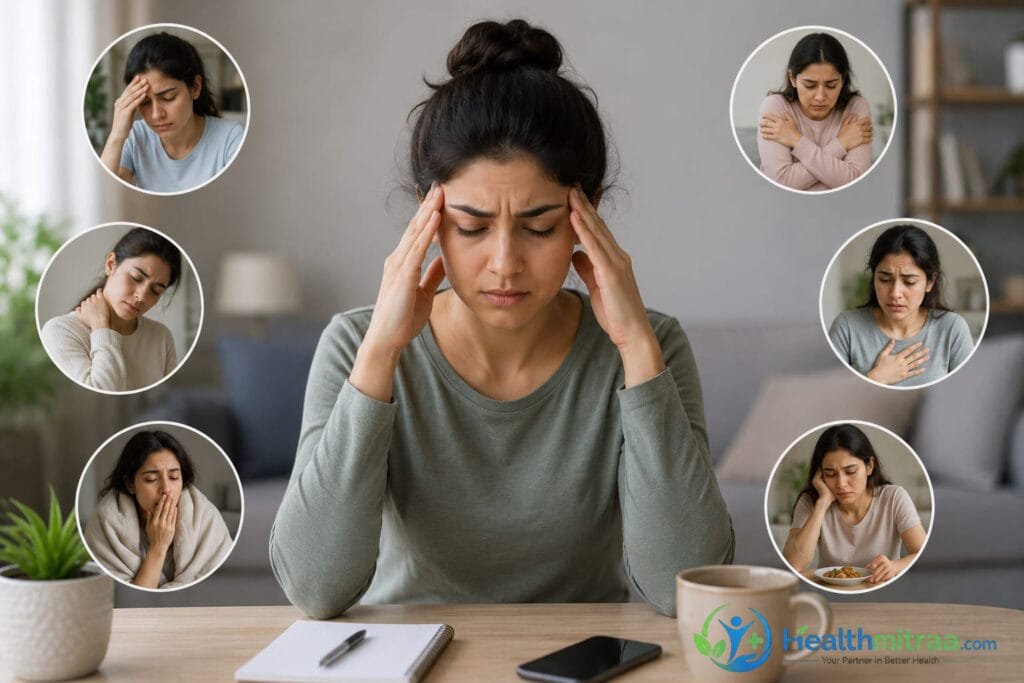
It can affect your body, emotions, thoughts, and behavior in different ways. While occasional it is a normal part of life, persistent stress may lead to symptoms that interfere with your daily activities and overall well-being. Recognizing these warning signs early can help you take timely steps to manage stress more effectively.
Physical Symptoms
- Frequent headaches or migraines
- Muscle tension or body aches
- Fatigue or low energy
- Difficulty sleeping or poor-quality sleep
- Rapid heartbeat or chest tightness
- Upset stomach, nausea, or digestive problems
- Increased sweating
- Changes in appetite or unexplained weight changes
Emotional Symptoms
- Feeling overwhelmed or anxious
- Irritability or frequent mood swings
- Restlessness or difficulty relaxing
- Feeling sad, hopeless, or emotionally drained
- Low motivation or loss of interest in daily activities
Cognitive Symptoms
- Trouble concentrating or staying focused
- Racing thoughts or constant worrying
- Forgetfulness
- Poor decision-making
- Difficulty solving everyday problems
Behavioral Symptoms
- Withdrawing from family or friends
- Procrastination or reduced productivity
- Increased use of alcohol, tobacco, or other substances
- Emotional eating or loss of appetite
- Angry outbursts or changes in social behavior
These symptoms may vary from person to person and can also be caused by other medical or mental health conditions. If stress-related symptoms become severe, last for several weeks, or begin affecting your work, relationships, or daily life, seeking professional support is recommended.
What Causes Stress?
It can develop for many different reasons, and the triggers vary from one person to another. While some stressful situations are short-term and manageable, others may last for weeks or months and have a greater impact on physical and mental well-being. Understanding the underlying causes is the first step toward managing it effectively.
Work-Related Pressure
Heavy workloads, tight deadlines, long working hours, job insecurity, workplace conflicts, or an unhealthy work environment can contribute significantly to it.
Financial Problems
Managing debt, rising living expenses, unexpected bills, or concerns about financial stability are common sources of ongoing stress.
Family and Relationship Issues
Conflicts with family members, relationship problems, caregiving responsibilities, parenting challenges, or the loss of a loved one can create emotional stress.
Health Concerns
Living with a chronic illness, recovering from surgery, caring for someone with a medical condition, or worrying about your health can increase its levels.
Major Life Changes
Events such as moving to a new city, changing jobs, getting married, having a baby, divorce, or retirement often require significant adjustment and may trigger it.
Academic Pressure
Students may experience it due to exams, assignments, competitive environments, or concerns about future career opportunities.
Lifestyle Factors
Poor sleep, lack of physical activity, unhealthy eating habits, excessive screen time, and an imbalance between work and personal life can make it more difficult to cope with daily stress.
Uncertainty and Unexpected Events
Natural disasters, economic uncertainty, global events, or sudden personal challenges can create feelings of fear, uncertainty, and emotional strain.
In many cases, stress results from a combination of several factors rather than a single cause. Identifying your personal stress triggers can help you develop healthier coping strategies and reduce their impact on your daily life.
Types of Stress
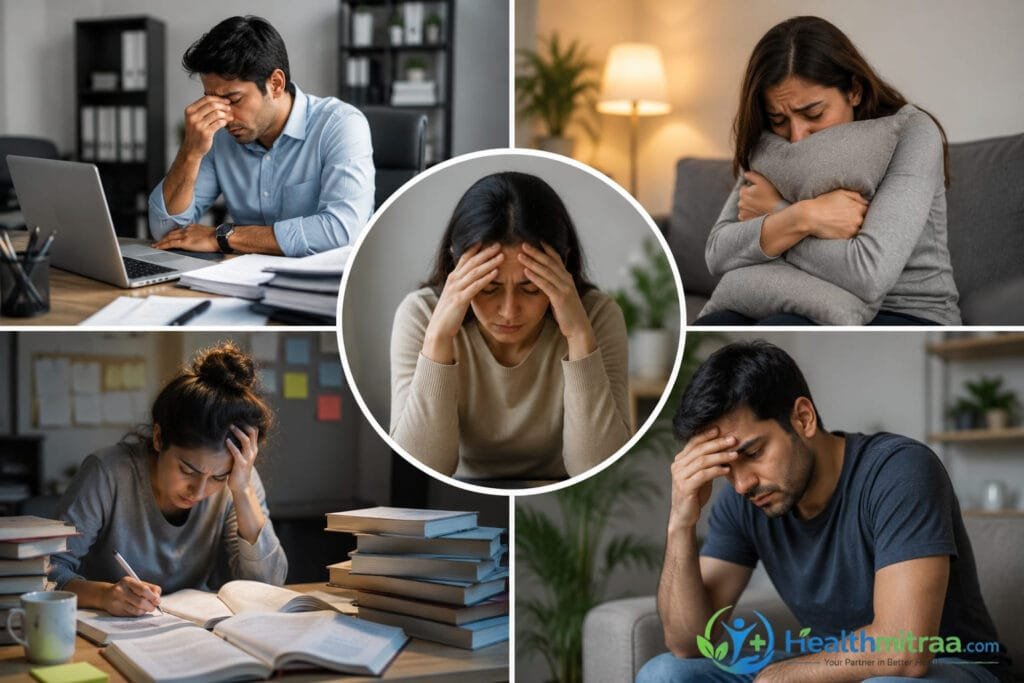
Not all stress is the same. Depending on its duration and cause, stress can be classified into different types. Understanding these types can help you recognize your own stress patterns and choose the most appropriate coping strategies.
Acute Stress
It is the most common type of stress. It usually occurs in response to a specific event or challenge, such as meeting a work deadline, taking an exam, giving a presentation, or dealing with an unexpected situation. The symptoms are generally short-lived and improve once the stressful event has passed.
Episodic Acute Stress
Some people experience acute stress repeatedly, leading to episodic acute stress. This often affects individuals with demanding schedules, constant deadlines, or those who frequently worry about future events. Without proper management, recurring stress can increase the risk of anxiety, burnout, and other health problems.
Chronic Stress
It develops when stressful situations continue for a long period without relief. Ongoing financial difficulties, unhealthy relationships, workplace problems, caregiving responsibilities, or long-term health conditions are common causes. Chronic stress can have serious effects on both physical and mental health if left unmanaged.
Eustress (Positive Stress)
Not all stress is harmful. Eustress is a positive form of it that motivates you to perform better and achieve your goals. Starting a new job, preparing for a competition, getting married, or learning a new skill can create excitement while encouraging personal growth.
Distress (Negative Stress)
Distress is the harmful type of it that can negatively affect your emotions, behavior, and overall health. It often occurs when life demands feel overwhelming or when you believe you have little control over a difficult situation. Persistent distress may interfere with daily activities and reduce overall quality of life.
Recognizing the type of it you are experiencing can help you choose healthier coping strategies and know when it may be time to seek professional support.
How Does Stress Affect Your Physical and Mental Well-Being?
It affects much more than your emotions. When it becomes frequent or long-lasting, it can influence nearly every system in the body, including the brain, heart, immune system, digestive system, and muscles. Over time, unmanaged stress may reduce your overall quality of life and increase the risk of several health problems.
Physical Effects of Stress
Persistent it can trigger physical symptoms and contribute to various health conditions, including:
- Frequent headaches or migraines
- Muscle tension, neck pain, and back pain
- Fatigue and low energy
- Difficulty sleeping or insomnia
- High blood pressure
- Increased risk of heart disease
- Digestive problems such as stomach pain, bloating, or irritable bowel syndrome (IBS)
- Weakened immune system, making you more prone to infections
- Changes in appetite and body weight
Mental and Emotional Effects of Stress
It can also have a significant impact on your emotional and psychological well-being. Common effects include:
- Anxiety and excessive worrying
- Irritability and mood swings
- Difficulty concentrating or making decisions
- Memory problems
- Feeling overwhelmed or emotionally exhausted
- Reduced motivation and productivity
- Symptoms of depression in some individuals
- Burnout due to prolonged emotional strain
Impact on Daily Life
When it is not managed effectively, it may begin to affect different aspects of daily life, including work performance, academic success, relationships, and social interactions. Some people may withdraw from family and friends, while others may develop unhealthy coping habits such as overeating, smoking, excessive alcohol consumption, or spending too much time on digital devices.
The effects of it vary from person to person. Recognizing these changes early and adopting healthy coping strategies can help protect both your physical health and mental well-being.
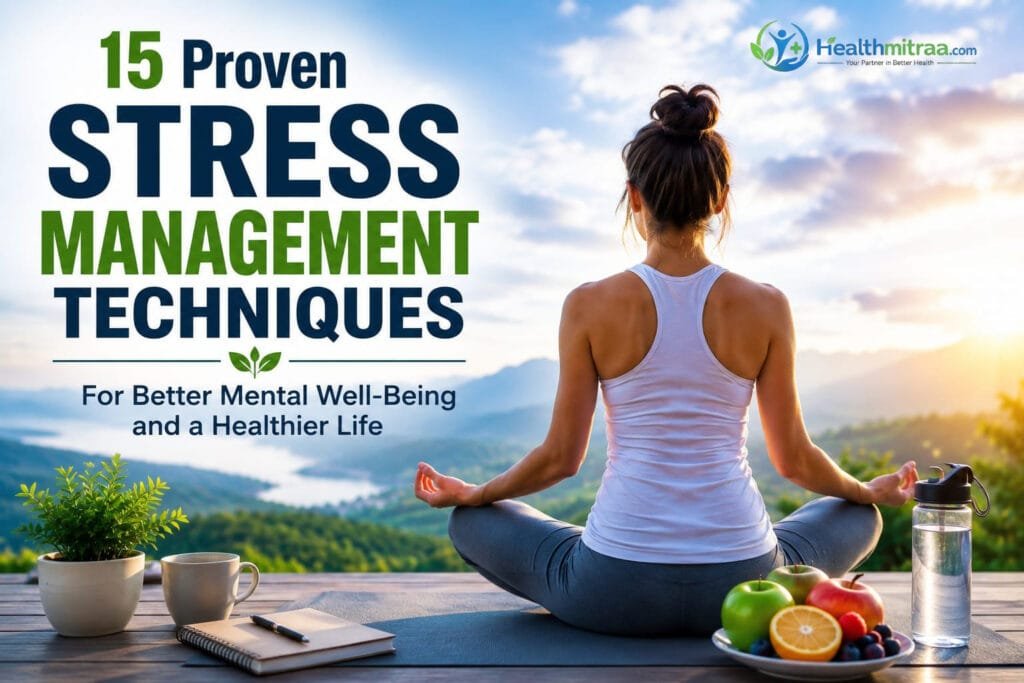
15 Proven Ways to Reduce Stress and Improve Mental Well-Being

Managing it does not require making drastic changes overnight. Small, consistent lifestyle habits can significantly improve your ability to cope with daily challenges and protect your physical and mental well-being. The following evidence-based strategies can help reduce it naturally and promote a healthier, more balanced life.
1. Practice Deep Breathing
Deep breathing activates the body’s relaxation response and helps slow your heart rate. Taking slow, controlled breaths for a few minutes can quickly reduce feeling anxiety.
2. Exercise Regularly
Regular physical activity releases endorphins, often called the body’s natural “feel-good” chemicals. Walking, jogging, cycling, swimming, or strength training for at least 30 minutes most days of the week can help improve your mood.
3. Get Enough Sleep
Poor sleep can make it worse, while quality sleep helps your mind and body recover. Aim for 7–9 hours of sleep each night and maintain a consistent sleep schedule whenever possible.
4. Eat a Healthy, Balanced Diet
Nutritious foods provide the energy and nutrients your body needs to cope with it. Include fruits, vegetables, whole grains, lean proteins, healthy fats, and plenty of water in your daily diet while limiting highly processed foods and sugary drinks.
5. Practice Mindfulness or Meditation
Mindfulness and meditation encourage you to focus on the present moment instead of worrying about the past or future. Even 10–15 minutes of daily practice may help improve emotional balance and reduce it.
6. Manage Your Time Wisely
Planning your day, setting realistic goals, and prioritizing important tasks can prevent unnecessary pressure. Breaking large tasks into smaller steps also makes them feel more manageable.
7. Stay Connected with Family and Friends
Talking to someone you trust can provide emotional support and help you gain a different perspective on difficult situations. Healthy relationships play an important role in emotional well-being.
8. Limit Caffeine and Alcohol
Too much caffeine may increase nervousness and interfere with sleep, while excessive alcohol can worsen emotional health over time. Consuming these in moderation may help improve overall well-being.
9. Take Regular Breaks
Working continuously for long periods can increase mental fatigue. Short breaks throughout the day help refresh your mind, improve focus, and reduce it.
10. Spend Time in Nature
A walk in a park, garden, or other natural environment can have a calming effect on both the body and mind. Spending time outdoors may also improve mood and reduce mental fatigue.
11. Listen to Relaxing Music
Soft, calming music can lower its level by helping your body relax. Listening to music during breaks or before bedtime may also improve sleep quality.
12. Try Yoga or Gentle Stretching
Yoga combines physical movement, controlled breathing, and mindfulness, making it an effective way to reduce it while improving flexibility and relaxation.
13. Keep a Gratitude Journal
Writing down a few things you are grateful for each day can shift your focus from daily challenges to positive experiences, helping improve emotional resilience over time.
14. Reduce Screen Time
Constant exposure to social media, news, and digital devices may contribute to it and mental exhaustion. Taking regular breaks from screens can help you feel more relaxed and focused.
15. Seek Professional Help When Needed
If it becomes overwhelming, lasts for several weeks, or begins affecting your work, relationships, or daily life, consider speaking with a healthcare professional or licensed mental health expert. Early support can help you develop healthy coping strategies and prevent long-term complications.
There is no single solution that works for everyone. The most effective approach is to combine several healthy habits and practice them consistently. Over time, these small changes can make a meaningful difference in reducing stress and improving your overall mental well-being.
When Should You Seek Professional Help?
While occasional it is a normal part of life, persistent or overwhelming stress should not be ignored. If it begins to interfere with your daily activities, relationships, work performance, or overall quality of life, it may be time to seek professional support. Early intervention can help prevent it from developing into more serious physical or mental health problems.
You should consider consulting a healthcare professional or mental health specialist if you experience any of the following:
- Stress that lasts for several weeks or months
- Constant anxiety, worry, or feelings of being overwhelmed
- Difficulty sleeping despite practicing healthy sleep habits
- Frequent panic attacks or intense fear
- Ongoing sadness, hopelessness, or loss of interest in daily activities
- Difficulty concentrating or making decisions
- Significant changes in appetite or body weight
- Increased use of alcohol, tobacco, or other substances to cope with stress
- Thoughts of self-harm or suicide (seek immediate emergency medical help if this occurs)
A healthcare provider can identify whether your symptoms are related to it or another underlying medical condition. Depending on your situation, they may recommend lifestyle changes, stress management techniques, counseling, cognitive behavioral therapy (CBT), or other appropriate treatments.
Seeking professional help is not a sign of weakness. It is an important step toward protecting your mental health, improving your quality of life, and learning healthier ways to cope with life’s challenges.
Can Stress Be Prevented?
Although it is impossible to avoid every stressful situation, many healthy lifestyle habits can reduce the likelihood of chronic stress and improve your ability to cope with daily challenges. Building a balanced routine and taking care of your physical and mental health are key steps toward long-term stress prevention.
Here are some practical ways to help prevent mental health:
- Maintain a consistent sleep schedule and aim for 7–9 hours of quality sleep each night.
- Exercise regularly to improve mood and support overall well-being.
- Eat a balanced diet rich in fruits, vegetables, whole grains, lean proteins, and healthy fats.
- Practice relaxation techniques such as deep breathing, meditation, or mindfulness.
- Plan your day, set realistic goals, and avoid overcommitting yourself.
- Take regular breaks during work or study to prevent mental exhaustion.
- Stay connected with supportive family members and friends.
- Limit excessive caffeine, alcohol, and screen time, especially before bedtime.
- Spend time outdoors and engage in hobbies that help you relax.
- Seek support early if you notice that it is becoming difficult to manage.
It is a natural part of life, but it does not have to control your well-being. Developing healthy daily habits and addressing stress early can improve resilience, enhance emotional balance, and support better physical and mental health over time.
Frequently Asked Questions (FAQs)
Is stress always harmful?
No. Not all stress is harmful. Short-term stress, also known as acute stress, can help improve focus, motivation, and performance during challenging situations. However, long-term or chronic stress can negatively affect both physical and mental health.
What is the fastest way to reduce stress?
Simple techniques such as deep breathing, taking a short walk, listening to calming music, practicing mindfulness, or talking to someone you trust may help reduce stress quickly. The most effective approach varies from person to person.
Can stress cause physical health problems?
Yes. Long-term it may contribute to headaches, muscle tension, digestive problems, sleep disturbances, high blood pressure, weakened immunity, and an increased risk of heart disease and other chronic health conditions.
How much sleep is recommended for stress management?
Most adults should aim for 7–9 hours of quality sleep each night. Consistent, restful sleep helps the body recover from daily stress and supports better emotional well-being.
When should I seek professional help for stress?
You should consider seeking professional help if stress lasts for several weeks, interferes with your work, relationships, or daily activities, or causes persistent anxiety, depression, panic attacks, or other severe emotional symptoms.
Can regular exercise help reduce stress?
Yes. Regular physical activity releases endorphins, improves mood, reduces muscle tension, and supports better sleep, making it one of the most effective natural ways to manage it.
Can children and teenagers experience stress?
Yes. School pressure, family issues, social relationships, bullying, and major life changes can all cause stress in children and teenagers. Early support from parents, teachers, or healthcare professionals can help them develop healthy coping skills.
Conclusion
It is a natural part of life, but it does not have to take control of your physical health or emotional well-being. Understanding the causes, recognizing the early signs, and adopting healthy coping strategies can make a significant difference in how you respond to everyday challenges.
Effective management is not about avoiding stressful situations—it is about building healthy habits that improve resilience over time. Simple lifestyle changes such as regular exercise, quality sleep, a balanced diet, mindfulness, and strong social connections can help reduce stress and support better mental well-being.
Remember that everyone experiences stress differently, and there is no single solution that works for everyone. Finding the techniques that fit your lifestyle and practicing them consistently is the key to long-term success. If stress becomes overwhelming or starts affecting your daily life, do not hesitate to seek support from a qualified healthcare professional or mental health expert.
By making management a regular part of your daily routine, you can protect your overall health, improve your quality of life, and enjoy greater emotional balance for years to come.
Related Articles You May Also Like
To learn more about improving your overall health and well-being, explore these trusted HealthMitraa guides:
- High Blood Pressure (Hypertension): Causes, Symptoms, Risk Factors and Prevention
- Low Blood Pressure: Symptoms, Treatment, and Prevention
- Heart Attack: 12 Early Warning Signs You Should Never Ignore
- Stroke: 10 Early Warning Signs You Should Never Ignore
- High Cholesterol: 10 Warning Signs, Causes, Symptoms & Treatment
- Diabetes: Essential Guide to Symptoms, Causes & Treatment
- Vitamin D Deficiency: Symptoms, Causes, Treatment & Prevention
- Vitamin B12 Deficiency: Symptoms, Causes, Treatment & Prevention
These related articles provide reliable, evidence-based information to help you make informed decisions about your physical health, mental well-being, and overall healthy lifestyle.
Sources and References
The information in this article is based on current medical knowledge and guidance from trusted health organizations. It is intended for educational purposes only and should not replace professional medical advice, diagnosis, or treatment.
- World Health Organization (WHO). Mental Health and Stress.
- American Psychological Association (APA). Stress Management Resources.
- Mayo Clinic. Stress Symptoms: Effects on Your Body and Behavior.
Medical Disclaimer: If you have severe anxiety, depression, panic attacks, or thoughts of self-harm, seek immediate medical attention or consult a qualified healthcare professional. This article is for informational purposes only and is not a substitute for professional medical advice.