
Introduction
Do you often struggle to fall asleep, wake up several times during the night, or feel exhausted even after getting enough hours of sleep? You’re not alone. Millions of people experience sleep problems that affect their energy, mood, concentration, and overall health.
The good news is that better sleep hygiene often starts with simple daily habits. Sleep hygiene is a set of healthy routines and lifestyle practices that help you fall asleep faster, stay asleep longer, and wake up feeling refreshed. From maintaining a consistent bedtime to creating a comfortable sleep environment, small changes can make a big difference.
Sleep hygiene does more than leave you feeling tired. It can weaken your immune system, reduce productivity, affect memory and focus, and increase the risk of conditions such as obesity, type 2 diabetes, heart disease, anxiety, and depression.
In this comprehensive guide, you’ll discover what sleep hygiene is, why it matters, common causes of poor sleep, signs that your sleep habits need improvement, and 15 proven habits to help you sleep better and support your overall health naturally.
What Is Sleep Hygiene?

Sleep hygiene is a collection of healthy habits, daily routines, and environmental practices that help you fall asleep more easily, stay asleep throughout the night, and wake up feeling refreshed. sleep hygiene is not a medicine or a medical treatment. Instead, it focuses on creating conditions that support healthy, restorative sleep.
Good sleep habits include maintaining a consistent sleep schedule, following a relaxing bedtime routine, keeping the bedroom quiet, dark, and comfortable, and avoiding stimulants such as caffeine close to bedtime. These simple practices help regulate your body’s natural sleep-wake cycle, also known as the circadian rhythm.
Sleep hygiene habits, on the other hand, can interfere with the body’s ability to get adequate rest. Irregular bedtimes, excessive screen use before sleeping, late-night meals, and an uncomfortable sleeping environment may lead to difficulty falling asleep, frequent awakenings, or feeling tired during the day.
Developing better sleep habits takes consistency rather than perfection. Even small, sustainable changes can improve sleep quality over time, leading to better physical health, mental well-being, energy levels, and overall quality of life.
Why Is Good Sleep Important for Overall Health?
Sleep hygiene is essential for both physical and mental health. During sleep, your body repairs tissues, strengthens the immune system, balances hormones, and supports healthy brain function. It also helps improve memory, learning, emotional well-being, and overall performance in daily life.
Getting enough quality sleep can reduce the risk of many chronic health conditions. Research suggests that consistent, restorative sleep supports heart health, helps maintain a healthy weight, improves blood sugar regulation, and contributes to better mental health. It also allows the body to recover from daily physical and mental stress.
In contrast, Sleep hygiene can affect almost every part of the body. It may lead to daytime fatigue, irritability, reduced concentration, slower reaction times, and lower productivity. When inadequate sleep becomes a long-term problem, it may increase the risk of conditions such as high blood pressure, obesity, type 2 diabetes, heart disease, anxiety, and depression.
Making healthy sleep a priority is one of the simplest ways to support long-term wellness. Even small improvements in daily routines can lead to better energy levels, improved mood, stronger immunity, and a better quality of life over time.
Signs Your Sleep Hygiene Needs Improvement

Many people do not realize that their daily habits may be affecting their sleep. If sleep hygiene becomes a regular part of your routine, it may be time to make some healthy changes. Recognizing the early signs can help prevent long-term health problems and improve your overall well-being.
Common signs sleep hygiene include:
- Difficulty falling asleep even when you feel tired
- Waking up several times during the night
- Feeling exhausted or unrefreshed after waking up
- Excessive daytime sleepiness or low energy
- Trouble concentrating or remembering information
- Irritability, mood swings, or increased stress
- Depending on caffeine or energy drinks to stay alert
- Taking long daytime naps because of poor nighttime sleep
- Following an irregular bedtime or wake-up schedule
- Frequently using electronic devices before going to bed
If you notice several of these signs on a regular basis, reviewing your daily routine and making healthier sleep-related choices may help improve the quality of your rest. If sleep problems continue for several weeks or begin affecting your daily life, consult a qualified healthcare professional for proper evaluation.
Common Causes of Poor Sleep Hygiene
Sleep hygiene habits often develop gradually and may go unnoticed until they begin affecting your health and daily routine. In many cases, several lifestyle and environmental factors work together to reduce sleep quality.
Some of the most common causes include:
1. Irregular Sleep Schedule
Going to bed and waking up at different times every day can disrupt your body’s natural sleep-wake cycle, making it harder to fall asleep and wake up feeling refreshed.
2. Excessive Screen Time Before Bed
Using smartphones, tablets, computers, or watching television before bedtime may expose you to blue light, which can interfere with the body’s natural production of melatonin—the hormone that helps regulate sleep.
3. Caffeine and Nicotine
Drinking coffee, tea, energy drinks, or consuming nicotine late in the day may keep your brain alert and delay the onset of sleep.
4. Stress and Anxiety
Work pressure, financial concerns, family responsibilities, or emotional stress can make it difficult to relax, causing racing thoughts that interfere with restful sleep.
5. Poor Sleeping Environment
A bedroom that is too noisy, bright, hot, cold, or uncomfortable can make it difficult to sleep peacefully throughout the night.
6. Late-Night Eating
Eating heavy meals or spicy foods close to bedtime may cause discomfort, indigestion, or acid reflux, making it harder to fall asleep.
7. Lack of Physical Activity
A sedentary lifestyle may reduce natural sleep drive, while regular daytime exercise can support healthier and more consistent sleep patterns.
8. Certain Medical Conditions and Medications
Conditions such as sleep apnea, chronic pain, asthma, depression, or the use of certain medications may also contribute to ongoing sleep {sleep hygiene} problems. If symptoms persist despite healthy lifestyle changes, consult a healthcare professional for proper evaluation.
Risk Factors for Poor Sleep Quality
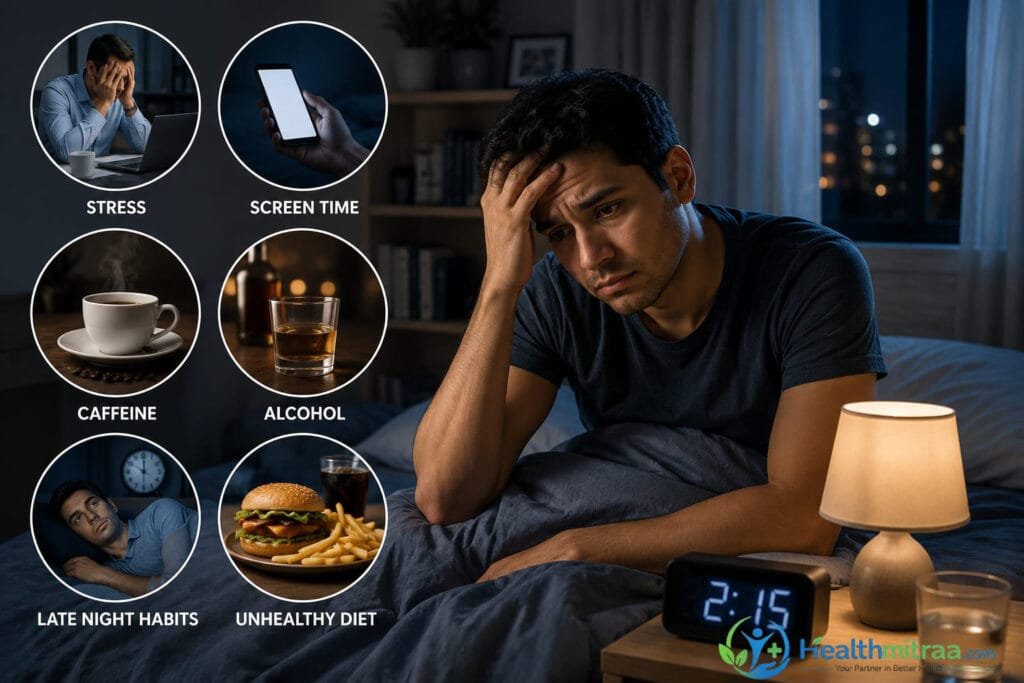
Anyone can experience sleep {sleep hygiene} problems, but certain factors may increase the likelihood of developing long-term sleep difficulties. Understanding these risk factors can help you identify potential causes and take preventive steps before they begin affecting your health.
Age
Sleep patterns naturally change with age. Older adults may find it more difficult to stay asleep through the night and are more likely to wake up earlier than usual.
High Stress Levels
Ongoing stress from work, relationships, financial concerns, or major life events can make it difficult to relax at bedtime and may reduce overall sleep hygiene quality.
Irregular Work Schedules
People who work night shifts, rotating shifts, or frequently travel across time zones often experience disruptions to their body’s natural sleep-wake cycle.
Sedentary Lifestyle
Limited physical activity during the day may reduce the body’s natural need for restful sleep. Regular exercise is generally associated with better sleep hygiene quality.
Excessive Caffeine or Alcohol Consumption
Consuming large amounts of caffeine, alcohol, or other stimulants—especially during the evening—may interfere with the ability to fall asleep or remain asleep throughout the night.
Medical and Mental Health Conditions
Chronic pain, asthma, acid reflux, thyroid disorders, anxiety, depression, and other health conditions can contribute to ongoing sleep disturbances. Some prescription medications may also affect normal sleep hygiene patterns.
Poor Lifestyle Habits
Skipping a regular bedtime, eating heavy meals late at night, spending excessive time on electronic devices before bed, and sleeping in an uncomfortable environment may all increase the risk of poor-quality sleep.
Having one or more of these risk factors does not guarantee that you will develop persistent sleep problems. However, recognizing them early and adopting healthier daily habits can significantly improve your chances of getting consistent, restorative sleep {sleep hygiene}.
15 Proven Habits for Better Sleep and Overall Health

Improving your sleep does not require drastic lifestyle changes. In most cases, small and consistent habits can make a noticeable difference over time. The following evidence-based practices can help you sleep more comfortably and support your overall health.
1. Follow a Consistent Sleep Schedule
Go to bed and wake up at the same time every day, including weekends. A regular schedule helps regulate your body’s internal clock and makes it easier to fall asleep naturally.
2. Create a Relaxing Bedtime Routine
Spend the last 30–60 minutes before bed doing calming activities such as reading, listening to soft music, taking a warm bath, or practicing gentle stretching.
3. Limit Screen Time Before Bed
Avoid using smartphones, tablets, computers, or watching television at least one hour before bedtime. Reducing blue light exposure can help your body prepare for sleep.
4. Keep Your Bedroom Comfortable
A quiet, dark, clean, and cool bedroom creates an environment that supports restful sleep. Consider using blackout curtains, comfortable bedding, or earplugs if needed.
5. Avoid Caffeine Late in the Day
Coffee, tea, energy drinks, and some soft drinks contain caffeine that may remain in the body for several hours. Limiting intake during the afternoon and evening can improve nighttime sleep.
6. Be Physically Active
Regular exercise supports better sleep quality and overall health. Moderate physical activity during the day is generally more beneficial than intense exercise close to bedtime.
7. Avoid Heavy Meals Before Sleeping
Large or spicy meals eaten late at night may cause indigestion or acid reflux, making it harder to sleep comfortably.
8. Reduce Stress Before Bedtime
Deep breathing, meditation, mindfulness, or writing in a journal can help calm the mind and make it easier to relax before going to bed.
9. Get Natural Daylight
Spending time outdoors during the morning or afternoon helps regulate the body’s natural sleep-wake cycle and supports healthier sleep patterns.
10. Keep Daytime Naps Short
If you need a nap, try to limit it to 20–30 minutes and avoid sleeping late in the afternoon to prevent nighttime sleep difficulties.
11. Avoid Nicotine and Alcohol Before Bed
Nicotine acts as a stimulant, while alcohol may disrupt the normal stages of sleep, even if it initially makes you feel sleepy.
12. Use Your Bed Only for Sleep
Avoid working, eating, or spending long periods on electronic devices in bed. This helps your brain associate the bed with rest rather than other activities.
13. Manage Noise and Light
Minimize unnecessary light and noise in your bedroom. If needed, use a sleep mask, earplugs, or white noise to create a more peaceful environment.
14. Listen to Your Body
Go to bed when you genuinely feel sleepy instead of forcing yourself to sleep. If you cannot fall asleep after about 20 minutes, get up and do a quiet, relaxing activity before trying again.
15. Stay Consistent
Healthy sleep habits work best when practiced every day. Consistency is more important than making perfect changes overnight, and lasting improvements often develop gradually.
Foods and Drinks That Affect Sleep
What you eat and drink during the day can influence how well you sleep at night. Some foods help the body relax, while others may make it harder to fall asleep or stay asleep. Paying attention to your diet can support healthier sleeping patterns.
Foods That May Support Better Sleep
- Almonds and walnuts
- Kiwi
- Bananas
- Oats
- Whole grains
- Fatty fish such as salmon
- Yogurt
- Warm milk
- Herbal teas like chamomile (naturally caffeine-free)
These foods contain nutrients that may support relaxation and help regulate the body’s natural sleep cycle.
Foods and Drinks to Limit Before Bed
- Coffee
- Black or green tea
- Energy drinks
- Cola and other caffeinated soft drinks
- Alcohol
- Chocolate
- Spicy foods
- Heavy or high-fat meals
- Sugary snacks and desserts
Consuming these items late in the evening may increase alertness, cause indigestion, or interrupt normal sleep during the night.
Best Eating Habits for Better Sleep
- Eat dinner at least 2–3 hours before bedtime.
- Stay hydrated throughout the day, but avoid drinking excessive fluids right before sleeping.
- Choose a light evening meal if you feel hungry late at night.
- Avoid excessive caffeine during the afternoon and evening.
A balanced diet combined with healthy daily routines can contribute to better sleep quality and support long-term physical and mental well-being.
When Should You Seek Professional Help?
Occasional sleep hygiene problems are common and often improve with healthy lifestyle changes. However, if sleep difficulties continue for several weeks or begin affecting your daily life, it is important to seek medical advice. A healthcare professional can identify the underlying cause and recommend appropriate treatment if needed.
You should consider seeing a doctor if you:
- Have difficulty falling asleep or staying asleep for more than three weeks.
- Wake up feeling tired even after getting enough time in bed.
- Experience excessive daytime sleepiness that affects work, school, or daily activities.
- Snore loudly, gasp for air, or stop breathing during sleep, which may indicate sleep apnea.
- Frequently wake up with headaches or a dry mouth.
- Feel restless or have an uncontrollable urge to move your legs while resting.
- Experience persistent mood changes, anxiety, or depression along with ongoing sleep problems.
- Rely on sleeping pills or alcohol regularly to fall asleep.
Your doctor may ask about your sleep routine, lifestyle, medical history, and current medications. In some cases, additional tests such as a sleep study may be recommended to diagnose conditions like obstructive sleep apnea or other sleep disorders.
Getting timely medical care can help identify the cause of persistent sleep problems and reduce the risk of long-term health complications.
Frequently Asked Questions (FAQs)
1. How many hours of sleep do adults need?
Most healthy adults need 7–9 hours of sleep each night. Individual needs may vary depending on age, lifestyle, and overall health [sleep hygiene].
2. Can poor sleep affect mental health?
Yes. Ongoing sleep problems may contribute to stress, anxiety, irritability, difficulty concentrating, and depression. Getting enough quality sleep plays an important role in maintaining emotional well-being.
3. Is it okay to use a phone before bedtime?
Using smartphones, tablets, or other electronic devices before bed is generally not recommended. The blue light emitted from screens may interfere with the body’s natural sleep-wake cycle and make it harder to fall asleep.
4. Does exercise help improve sleep?
Yes. Regular physical activity is associated with better sleep hygiene quality. However, intense exercise immediately before bedtime may make it difficult for some people to fall asleep.
5. Can caffeine affect sleep?
Yes. Caffeine is a stimulant that may remain in the body for several hours. Limiting coffee, tea, energy drinks, and other caffeinated beverages during the evening can support better sleep hygiene.
6. When should I seek medical advice for sleep problems?
If sleep hygiene difficulties continue for several weeks, interfere with your daily activities, or are accompanied by symptoms such as loud snoring, breathing pauses during sleep, or excessive daytime sleepiness, consult a qualified healthcare professional for evaluation.
Conclusion
Getting consistent, high-quality sleep {sleep hygiene} is one of the most effective ways to protect your physical and mental health. Healthy daily routines, a comfortable sleeping environment, regular physical activity, and mindful lifestyle choices can all contribute to better rest and improved overall well-being.
Although occasional sleep {sleep hygiene} problems are common, persistent difficulties should not be ignored. Identifying unhealthy habits early and making gradual, sustainable changes can lead to lasting improvements in energy levels, mood, concentration, and long-term health.
Remember that lasting results do not happen overnight. Small, consistent steps often make the biggest difference. If your sleep problems continue despite following healthy habits, consult a qualified healthcare professional for a proper evaluation and personalized treatment plan.
Related Articles You May Also Like
To expand your knowledge about healthy living and overall wellness, explore more evidence-based health guides available on HealthMitraa. Reading related topics can help you better understand lifestyle habits, disease prevention, and practical ways to improve your long-term health.
You may also be interested in articles covering:
- Stress management and mental well-being
- Migraine: 13 Warning Signs You Should Never Ignore
- Asthma: 13 Warning Signs You Should Never Ignore
- Arthritis: 12 Early Warning Signs, Causes, Symptoms & Treatment
- Vitamin B12 Deficiency: 10 Critical Warning Signs You Should Never Ignore
- Vitamin D Deficiency: 15 Warning Signs, Causes, Treatment & Prevention
- Stroke warning signs
Exploring these topics can help you make informed health decisions and build healthier daily habits for a better quality of life.
Sources & References
The information in this article is based on guidance from reputable medical organizations, government health agencies, and evidence-based clinical resources.
- National Institutes of Health (NIH). Sleep Health Information.
- Sleep Foundation. Sleep Hygiene Guide.
- World Health Organization (WHO). Health Topics.
- MedlinePlus. Sleep Disorders.
Medical Disclaimer: This article is intended for educational and informational purposes only and should not be considered a substitute for professional medical advice, diagnosis, or treatment. Always consult a qualified healthcare professional regarding any medical concerns or persistent sleep problems.