Introduction
Losing weight is about much more than fitting into smaller clothes—it’s about improving your overall health, boosting your energy, and lowering the risk of many chronic diseases. Yet with countless diet trends, quick-fix solutions, and conflicting advice online, finding a safe and effective approach to it can feel overwhelming. The good news is that healthy weight loss doesn’t require extreme diets or exhausting workout routines. Small, sustainable lifestyle changes often deliver the best long-term results.
In this complete guide, you’ll discover 15 expert-approved tips that can help support it naturally and safely. You’ll also learn which foods to eat, which habits to avoid, the best exercises for *weight loss, and common mistakes that may be slowing your progress. Whether you’re just starting your *weight loss journey or looking for healthier ways to stay on track, this guide offers practical, science-based advice you can confidently follow.
What Is Weight Loss?
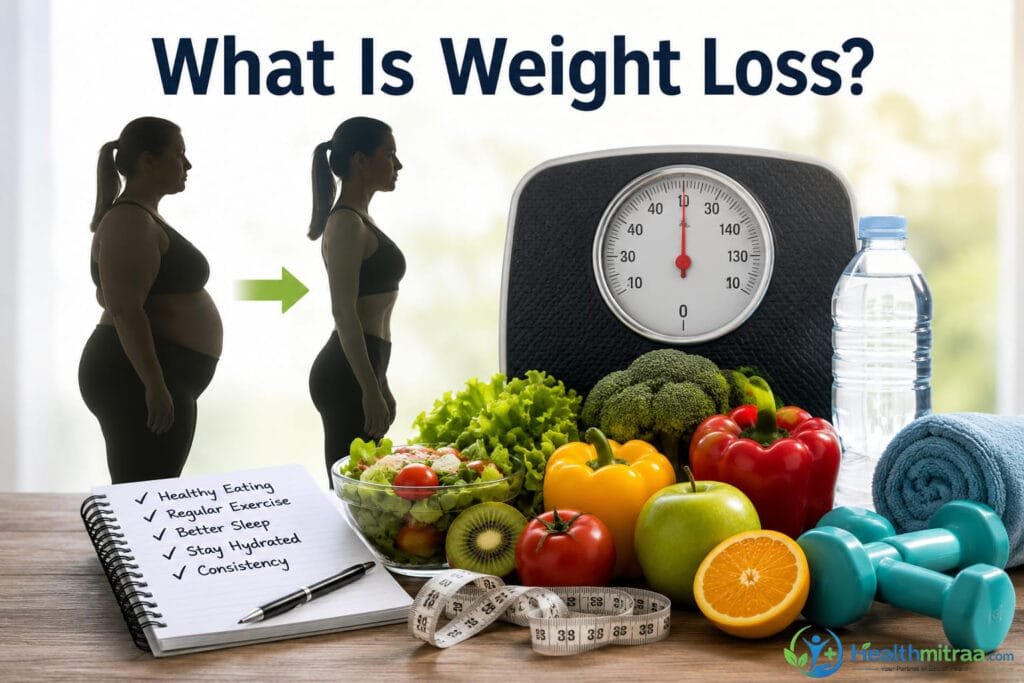
Weight loss refers to a reduction in total body weight, usually achieved by decreasing body fat while preserving lean muscle mass. Although many people focus on weight loss to improve their appearance, the real goal should be better overall health and long-term well-being. Healthy weight loss happens gradually through a balanced diet, regular physical activity, quality sleep, and sustainable lifestyle habits rather than quick-fix diets or miracle products.
It’s also important to understand that weight loss is different for everyone. Factors such as age, genetics, metabolism, hormones, medical conditions, and daily activity levels can all influence how quickly a person loses weight. While losing a few kilograms may lower the risk of heart disease, type 2 diabetes, high blood pressure, and other chronic conditions, rapid or unhealthy weight loss can lead to nutritional deficiencies, muscle loss, and fatigue.
The safest approach is to aim for steady, realistic progress. Building healthy habits not only supports successful weight loss but also makes it easier to maintain your results for years to come.
Why Is Maintaining a Healthy Weight Important?
Maintaining a healthy weight is one of the most effective ways to protect your overall health and improve your quality of life. While many people begin a weight loss journey for cosmetic reasons, the long-term benefits go far beyond appearance. Achieving healthy weight loss can lower the risk of serious conditions such as heart disease, type 2 diabetes, high blood pressure, stroke, fatty liver disease, sleep apnea, and certain types of cancer.
A healthy weight also supports better physical and mental well-being. Many people notice increased energy levels, improved mobility, better sleep quality, and greater self-confidence after successful weight loss. Everyday activities such as climbing stairs, walking, or exercising often become easier as excess body weight decreases.
It’s equally important to understand that maintaining your results is just as valuable as reaching your target weight. Sustainable weight loss achieved through balanced eating habits, regular physical activity, stress management, and adequate sleep is more likely to last than rapid weight-loss methods. Instead of chasing unrealistic goals, focus on creating healthy habits you can maintain for life. Even a modest weight loss of 5–10% of your starting body weight can lead to meaningful health improvements and reduce the risk of chronic diseases.
Common Reasons Why People Struggle to Lose Weight
If you’ve been trying to lose weight without seeing results, you’re not alone. Successful weight loss is influenced by many factors, and the problem isn’t always a lack of motivation or effort. In many cases, everyday habits, underlying health conditions, and unrealistic expectations can make weight loss more challenging than expected.
One of the most common reasons is consuming more calories than your body burns, often through oversized portions, sugary drinks, or frequent snacking. A sedentary lifestyle can also slow weight loss, as burning fewer calories makes it harder to create the calorie deficit needed to lose fat.
Poor sleep and chronic stress are often overlooked but can significantly affect weight loss by influencing hormones that regulate hunger, appetite, and food cravings. In addition, medical conditions such as hypothyroidism, polycystic ovary syndrome (PCOS), or certain medications may contribute to unexpected weight gain or make losing weight more difficult.
Another common mistake is relying on crash diets or skipping meals. These approaches may produce temporary results, but they are difficult to maintain and can increase the risk of regaining lost weight.
Understanding what’s holding you back is the first step toward lasting success. Instead of looking for quick fixes, focus on identifying the real obstacles and making realistic, sustainable lifestyle changes. A patient, consistent approach is far more effective for healthy weight loss than chasing rapid results.
15 Expert-Approved Tips That Really Work
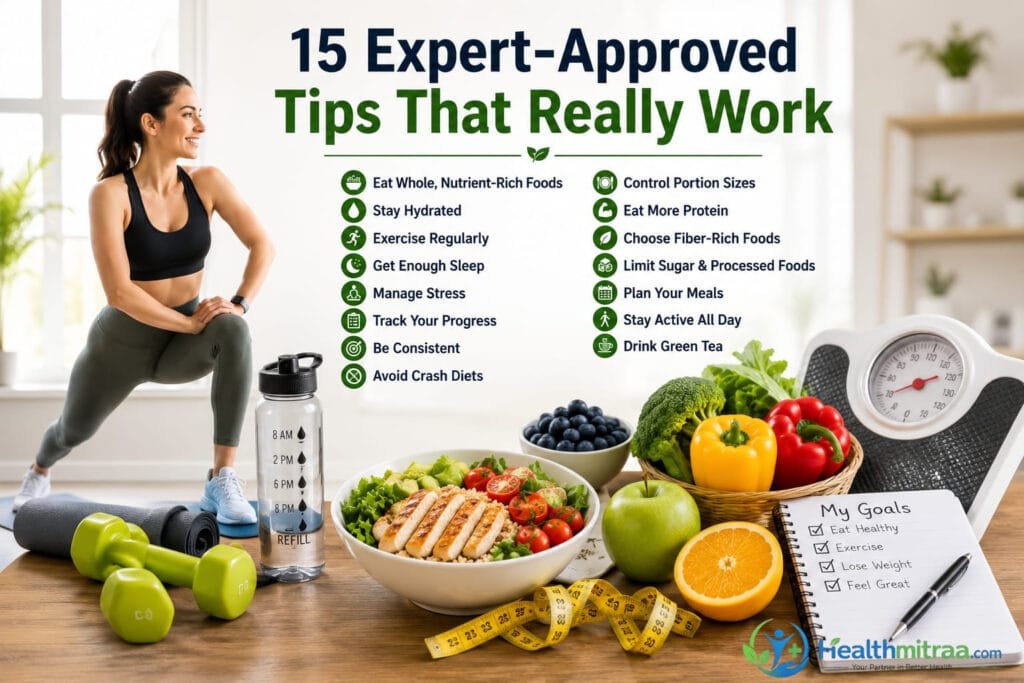
There’s no magic formula for successful *weight loss, but there are proven habits that consistently help people lose weight and keep it off. Instead of relying on fad diets or expensive supplements, focus on practical lifestyle changes backed by scientific evidence. The following expert-approved tips can help make your *weight loss journey healthier, safer, and more sustainable.
1. Create a Moderate Calorie Deficit
The foundation of healthy weight loss is consuming fewer calories than your body burns. This is known as a calorie deficit. However, cutting too many calories can slow your metabolism, increase hunger, and make it difficult to maintain your progress. Aim for a moderate calorie deficit by eating balanced meals and staying physically active instead of following extremely restrictive diets.
2. Eat More Protein With Every Meal
Protein is one of the most important nutrients for successful weight loss. It helps you stay full for longer, reduces unnecessary snacking, and supports muscle maintenance while losing body fat. Include protein-rich foods such as eggs, fish, chicken, lentils, beans, tofu, Greek yogurt, or low-fat dairy products in your daily meals.
3. Fill Half Your Plate With Vegetables
Non-starchy vegetables are naturally low in calories and rich in fiber, vitamins, and antioxidants. They increase meal volume without adding excessive calories, helping you feel satisfied for longer. Colorful vegetables such as spinach, broccoli, carrots, bell peppers, tomatoes, and cucumbers can make your meals both nutritious and enjoyable while supporting weight loss.
4. Drink More Water Every Day
Many people mistake thirst for hunger, leading to unnecessary calorie intake. Drinking enough water throughout the day supports digestion, helps regulate appetite, and may reduce the urge to snack between meals. Replacing sugary beverages with water is also a simple way to reduce calorie intake and improve weight loss results over time.
5. Choose Whole Foods More Often
One of the simplest ways to support healthy weight loss is by choosing whole, minimally processed foods whenever possible. Fresh fruits, vegetables, whole grains, lean proteins, legumes, nuts, and seeds are naturally rich in fiber and essential nutrients while being lower in added sugars and unhealthy fats. These foods help you stay satisfied for longer, making it easier to control your calorie intake and achieve sustainable weight loss. Instead of eliminating entire food groups, focus on building balanced meals that nourish your body every day.
6. Stay Physically Active Every Week
Regular physical activity plays an important role in weight loss and overall health. Exercise increases the number of calories your body burns while also improving heart health, muscle strength, and mood. You don’t need to spend hours in the gym to see results. Activities such as brisk walking, cycling, swimming, dancing, or strength training for at least 150 minutes per week can make a meaningful difference. Combining aerobic exercise with resistance training is often the most effective strategy for long-term weight loss and maintaining lean muscle mass.
7. Get Enough Quality Sleep
Sleep is often overlooked, yet it has a major impact on *weight loss. Poor sleep can disrupt hormones that control hunger and fullness, increasing cravings for high-calorie foods and making healthy choices more difficult. Adults should aim for seven to nine hours of quality sleep each night. Establishing a consistent bedtime routine, limiting screen time before bed, and creating a comfortable sleeping environment can support better sleep and improve your *weight loss efforts.
8. Manage Stress in Healthy Ways
Long-term stress may contribute to emotional eating and unhealthy food choices, making weight loss more difficult. High stress levels can also increase cortisol, a hormone linked to increased appetite and fat storage. Healthy stress-management techniques such as meditation, deep breathing, yoga, spending time outdoors, or talking with supportive friends and family can help you stay consistent with your weight loss goals.
9. Avoid Sugary Drinks
Sugary beverages such as soft drinks, sweetened coffee, energy drinks, and packaged fruit juices can add hundreds of extra calories without making you feel full. Replacing them with water, sparkling water, or unsweetened tea is a simple habit that supports healthy weight loss and overall wellness.
10. Track Your Progress Without Obsessing
Monitoring your progress can keep you motivated during your weight loss journey. However, don’t rely only on the number on the scale. Take body measurements, notice how your clothes fit, monitor your energy levels, and celebrate healthier habits along the way. Consistency—not perfection—is the key to successful weight loss.
11. Practice Mindful Eating
Mindful eating means paying attention to what, when, and how much you eat without distractions. Eating too quickly or while watching television or using a smartphone often leads to overeating because your brain doesn’t have enough time to recognize fullness. Slow down, chew your food thoroughly, and enjoy each bite. Listening to your body’s hunger and fullness signals can naturally reduce calorie intake and support healthy weight loss without making you feel deprived.
12. Plan Your Meals in Advance
Meal planning is one of the most effective habits for long-term *weight loss. Planning healthy meals and snacks ahead of time reduces the temptation to order fast food or choose high-calorie convenience foods when you’re busy. Preparing balanced meals with lean protein, vegetables, whole grains, and healthy fats also helps maintain consistent eating habits and makes your *weight loss journey easier to follow.
13. Be Consistent Instead of Perfect
Many people give up after one unhealthy meal, believing they’ve ruined all their progress. In reality, successful weight loss comes from consistency over weeks and months—not perfection every single day. Occasional treats are part of a balanced lifestyle. Rather than feeling guilty, simply return to your healthy routine at the next meal and continue moving toward your goals.
14. Set Realistic Goals
Healthy weight loss takes time, and expecting dramatic changes within a few weeks often leads to disappointment. Most experts recommend aiming to lose about 0.5–1 kilogram (1–2 pounds) per week through sustainable lifestyle changes. Setting small, achievable goals helps you stay motivated, measure progress more effectively, and build habits that last long after you’ve reached your target weight.
15. Seek Professional Guidance When Needed
If you’re struggling despite consistent efforts or have a medical condition affecting your progress, don’t hesitate to seek professional help. A registered dietitian, healthcare provider, or certified fitness professional can create a personalized plan based on your health needs, lifestyle, and goals. Expert guidance can make your weight loss journey safer, more effective, and easier to maintain over the long term.
Every successful weight loss journey is unique. There’s no single diet or exercise plan that works for everyone, but these evidence-based habits can help you build a healthier lifestyle that delivers lasting results. Focus on gradual improvements, stay patient, and remember that small daily choices often lead to the biggest long-term success.
Best Foods to Eat for Healthy Weight Loss
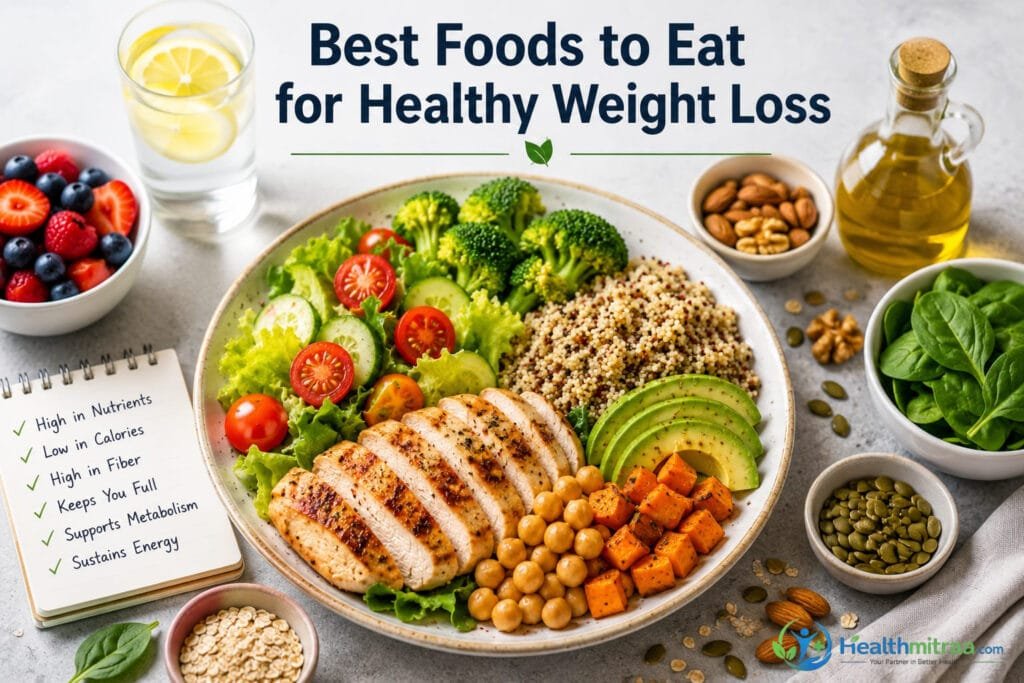
Choosing the right foods can make your weight loss journey easier, healthier, and more sustainable. Instead of focusing on foods you should avoid, prioritize nutrient-dense options that keep you full, provide steady energy, and help you maintain a healthy calorie intake. A balanced diet is one of the most effective tools for long-term weight loss because it reduces hunger while supplying the vitamins, minerals, and protein your body needs.
Protein-rich foods such as eggs, skinless chicken, fish, tofu, beans, lentils, and Greek yogurt help preserve muscle mass and keep you satisfied for longer. High-fiber foods like oats, brown rice, quinoa, whole wheat, fruits, vegetables, and legumes slow digestion, reduce cravings, and naturally support weight loss by promoting fullness.
Healthy fats should also be part of your meals. Foods like avocados, almonds, walnuts, chia seeds, flaxseeds, and olive oil provide essential nutrients and can improve satiety when eaten in moderation. At the same time, staying hydrated with water or unsweetened beverages can help control appetite and reduce unnecessary snacking.
For the best weight loss results, aim to build every meal around lean protein, fiber-rich vegetables, whole grains, and healthy fats instead of relying on highly processed foods. Remember, no single food can melt fat or guarantee rapid results. Consistently choosing wholesome, balanced meals is far more effective than following restrictive diets or trendy “superfoods.” Small, healthy food choices made every day can lead to lasting weight loss success and improve your overall health.
Foods and Drinks to Limit or Avoid
While no food needs to be completely off-limits, limiting certain high-calorie, low-nutrient foods can make weight loss easier and more sustainable. Many processed foods are packed with added sugars, unhealthy fats, and refined carbohydrates that increase calorie intake without keeping you full for long. Reducing these foods can help you stay within your daily calorie goals and improve your weight loss progress.
Try to limit sugary drinks such as soda, energy drinks, sweetened coffee, milkshakes, and packaged fruit juices, as they provide large amounts of sugar with little nutritional value. Fast food, fried snacks, chips, pastries, cookies, candies, and highly processed desserts should also be enjoyed only occasionally because they are often high in calories, sodium, and unhealthy fats.
Refined grains like white bread, white rice, and sugary breakfast cereals may cause rapid spikes in blood sugar and increase hunger soon after eating. Replacing them with whole-grain alternatives can support healthier eating habits and steady weight loss.
Alcoholic beverages should also be consumed in moderation. Many alcoholic drinks are high in empty calories and may reduce self-control around food choices, making healthy weight loss more difficult.
The goal isn’t to completely eliminate your favorite foods but to enjoy them in moderation while focusing on nutritious, balanced meals most of the time. Sustainable weight loss comes from consistent healthy choices rather than strict food restrictions. By limiting highly processed foods and sugary beverages, you’ll create healthier eating habits that are easier to maintain for the long term.
Best Exercises for Weight Loss
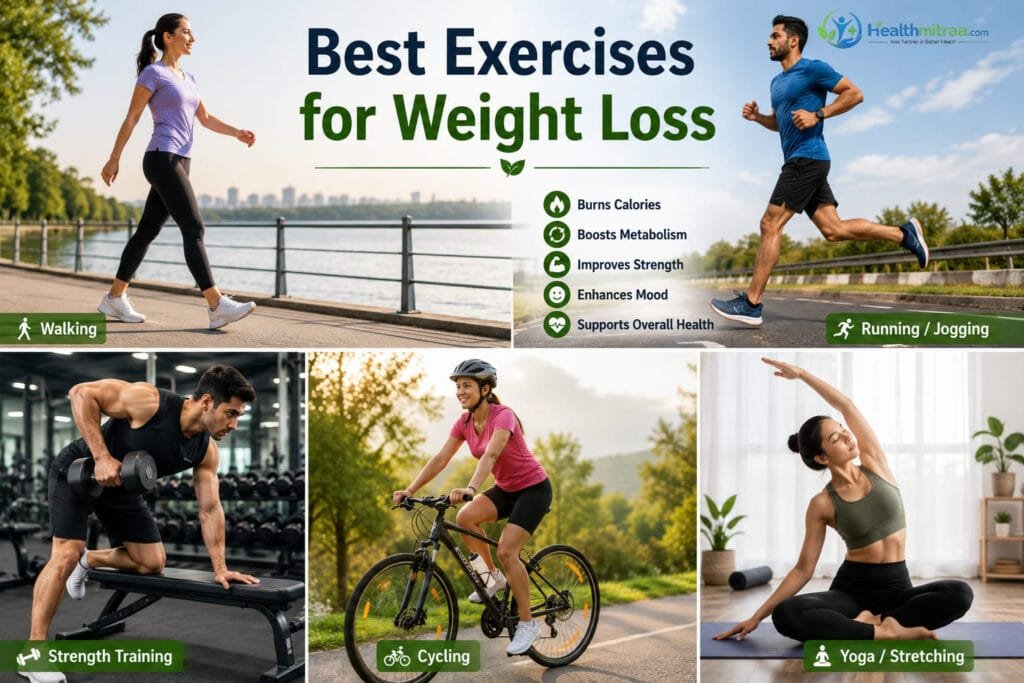
Regular exercise is one of the most effective ways to support healthy weight loss and improve overall fitness. While diet plays a major role, combining it with physical activity helps burn more calories, preserve muscle mass, and boost long-term results. The best exercise is the one you enjoy and can do consistently.
Walking is an excellent starting point for beginners because it is simple, low-impact, and easy to fit into a daily routine. Brisk walking for 30–45 minutes most days of the week can significantly contribute to weight loss. Cycling, swimming, jogging, dancing, and hiking are also effective cardio exercises that increase calorie burn while improving heart health.
High-Intensity Interval Training (HIIT) is another excellent option for people looking to maximize calorie burn in less time. HIIT alternates short bursts of intense exercise with brief recovery periods and can effectively support weight loss when combined with a balanced diet and adequate recovery.
Strength training should not be overlooked. Exercises such as squats, push-ups, lunges, resistance band workouts, or weight lifting help build lean muscle, which increases the number of calories your body burns even at rest. Combining strength training with cardio provides the best results for sustainable weight loss.
Remember, you don’t need intense workouts every day. Aim for at least 150 minutes of moderate exercise each week, along with two or more strength-training sessions. Consistency is far more important than perfection. By staying active and gradually increasing your fitness level, you can make weight loss easier while improving your energy, mood, and overall health for years to come.
Common Weight Loss Mistakes to Avoid
Many people work hard but still struggle to achieve lasting it because of a few common mistakes. Recognizing these habits early can save you time, frustration, and unnecessary setbacks. One of the biggest mistakes is following crash diets that promise rapid results. While they may lead to short-term changes, they are often difficult to maintain and can increase the risk of regaining the lost weight.
Another common mistake is skipping meals in the hope of reducing calories. This often leads to intense hunger later in the day, making overeating more likely. Ignoring portion sizes, relying on processed “diet” foods, getting too little sleep, and expecting instant results can also slow your weight loss progress.
Many people focus only on the number on the scale and overlook other signs of success, such as increased energy, improved fitness, and healthier eating habits. Sustainable weight loss is about building a lifestyle you can maintain for years, not just a few weeks.
Instead of aiming for perfection, focus on steady progress and healthy daily habits. Avoid comparing your journey with others, stay patient, and celebrate small victories. Consistency, balanced nutrition, and regular physical activity remain the foundation of successful weight loss.
When Should You See a Doctor for Weight Loss?
Most people can begin a healthy weight loss journey by improving their diet and increasing physical activity. However, there are situations where professional medical advice is important. If you’re unable to lose weight despite following healthy habits for several months, or if your weight continues to increase without a clear reason, it’s a good idea to consult a healthcare provider. Underlying conditions such as hypothyroidism, polycystic ovary syndrome (PCOS), hormonal disorders, or certain medications can make it more challenging.
You should also seek medical advice if you experience unexplained weight loss, severe fatigue, dizziness, chest pain during exercise, or other concerning symptoms. These may indicate an underlying health condition that requires proper evaluation and treatment.
People with obesity, diabetes, heart disease, high blood pressure, or other chronic medical conditions should talk to their doctor before starting an intensive diet or exercise program. A healthcare professional can recommend a safe and personalized weight loss plan based on your medical history and individual needs.
Remember, asking for professional guidance is not a sign of failure. Early support can help you avoid common mistakes, stay motivated, and achieve sustainable weight loss while protecting your overall health.
Frequently Asked Questions (FAQs) About Weight Loss
1. What is the healthiest way to achieve weight loss?
The healthiest weight loss approach combines a balanced diet, regular physical activity, adequate sleep, stress management, and long-term lifestyle changes instead of crash diets or quick fixes.
2. How much weight can I safely lose in a week?
Most health experts recommend aiming for about 0.5–1 kilogram (1–2 pounds) per week. This pace of weight loss is generally considered safe, realistic, and easier to maintain over time.
3. Do I need to stop eating carbohydrates for weight loss?
No. You don’t need to eliminate carbohydrates completely. Choosing whole grains, fruits, vegetables, and legumes while controlling portion sizes can support healthy weight loss.
4. Which exercise is best for weight loss?
Brisk walking, jogging, cycling, swimming, and strength training are all effective. The best exercise for weight loss is one you enjoy and can do consistently.
5. Why am I not losing weight even after dieting?
Several factors can affect weight loss, including hidden calories, lack of physical activity, poor sleep, stress, hormonal conditions, certain medications, or unrealistic expectations. If progress remains slow despite consistent healthy habits, consult a healthcare professional for personalized guidance.
Key Takeaways
Successful weight loss isn’t about following extreme diets or searching for quick fixes—it’s about building healthy habits you can maintain for life. Eat a balanced diet, stay physically active, get enough sleep, manage stress, and be patient with your progress. Small, consistent changes often produce the biggest long-term results. By focusing on sustainable lifestyle improvements instead of temporary solutions, you can achieve healthy weight loss while improving your overall well-being and quality of life.
Sources & References:
Explore More:
- Walking Benefits: 15 Powerful Reasons to Walk Every Day
- Exercise Benefits: 15 Amazing Health Benefits of Regular Exercise
- Sleep Hygiene: 15 Proven Habits for Better Sleep and Overall Health
Medical Disclaimer:
This article is intended for informational and educational purposes only and should not be considered medical advice. It is not a substitute for professional diagnosis, treatment, or personalized healthcare recommendations. Always consult a qualified healthcare provider before making significant changes to your diet, exercise routine, or weight management plan, especially if you have an underlying medical condition or take prescription medications.