
Introduction
What if improving your heart health, boosting your mood, increasing your energy, and supporting healthy weight management could be as simple as taking a daily walk? That’s exactly why millions of people are discovering the walking benefits and making walking part of their everyday routine.
Backed by scientific research, the walking benefits extend far beyond physical fitness—they can also improve mental well-being, strengthen your body, and lower the risk of many chronic diseases. The best part is that walking is free, easy to start, and suitable for people of almost every age and fitness level. In this guide, you’ll explore 15 science-backed walking benefits, learn how much you should walk each day, discover common mistakes to avoid, and find practical tips to make walking a lifelong healthy habit.
Why Walking Every Day Could Be the Best Decision for Your Health

Walking is one of the easiest and most effective ways to improve your overall health, yet many people underestimate its power. Unlike intense workouts, walking requires no expensive equipment, special skills, or gym membership, making it a simple habit that almost anyone can follow. The walking benefits go far beyond burning calories—they can support heart health, strengthen muscles and bones, improve mental well-being, boost energy levels, and even help you live a longer, healthier life.
Whether your goal is weight management, better fitness, lower stress, or preventing chronic diseases, adding a daily walk to your routine can make a meaningful difference over time. Even a brisk walk for 20–30 minutes each day can contribute to better physical and mental health.
In this guide, you’ll discover 15 powerful reasons to walk every day, along with practical tips, common mistakes to avoid, and expert-backed advice to help you get the most from every step.
15 Powerful Reasons to Walk Every Day
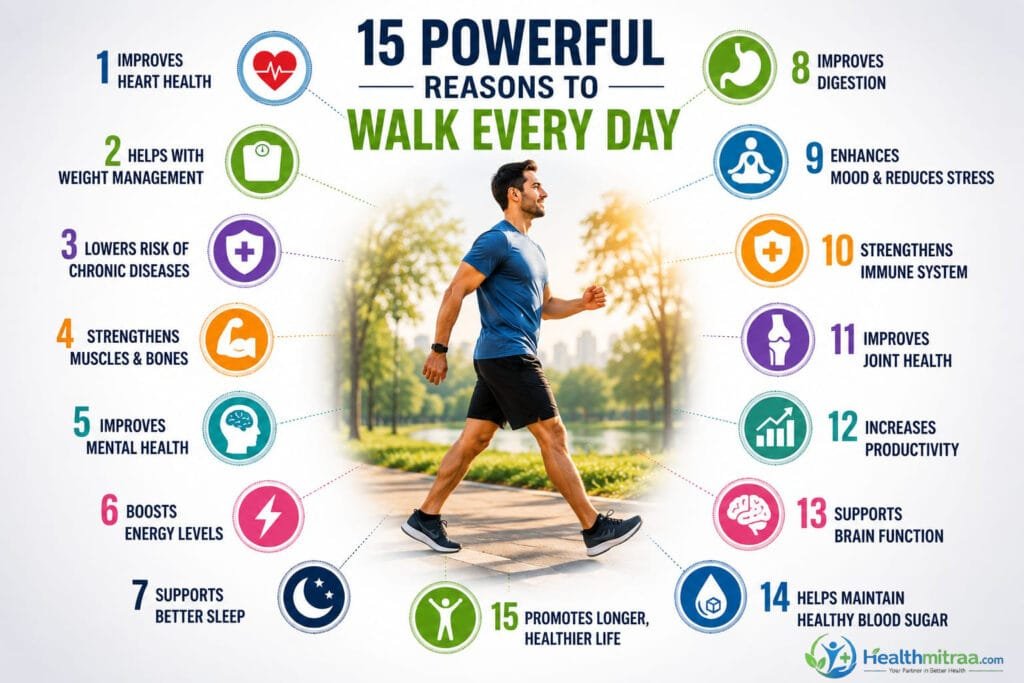
Walking is much more than a simple way to move from one place to another. It is one of the safest, most affordable, and most effective forms of physical activity. The walking benefits extend to nearly every part of your body—from your heart and lungs to your muscles, brain, and immune system. Whether you are just starting your fitness journey or looking for an easy way to stay active, making walking a daily habit can improve your overall well-being in many ways.
1. Supports a Healthy Heart
One of the biggest walking benefits is better heart health. Brisk walking improves blood circulation, strengthens the heart muscle, and helps the heart pump blood more efficiently. Regular walking may also help maintain healthy blood pressure and cholesterol levels, reducing the risk of heart disease and stroke over time.
Even a 30-minute walk on most days of the week can contribute to better cardiovascular fitness and support long-term heart health.
2. Helps with Healthy Weight Management
Walking burns calories and increases your daily energy expenditure, making it a practical activity for weight management. While walking alone is not a quick weight-loss solution, combining it with a balanced diet can help you lose excess body fat and maintain a healthy weight.
One of the most valuable walking benefits is that it is easy to continue for years because it puts less stress on the joints than many high-impact exercises.
3. Improves Mental Health and Reduces Stress
Daily walking is not only good for your body but also for your mind. Walking encourages the release of endorphins and other feel-good chemicals that help improve mood and reduce stress.
Spending time outdoors during a walk may also help reduce anxiety, improve focus, and promote relaxation. Many people notice they feel calmer and mentally refreshed after a simple walk, making this one of the most rewarding walking benefits.
4. Strengthens Muscles and Bones
Walking engages several muscle groups, including your legs, hips, core, and lower back. Over time, regular walking can improve muscle endurance, balance, and overall physical strength.
It is also a weight-bearing exercise, meaning it helps maintain bone strength and may reduce the risk of osteoporosis as you age. Stronger muscles and bones also lower the risk of falls and injuries, especially in older adults.
5. Boosts Energy Levels Naturally
Feeling tired throughout the day? Walking may help. Regular movement improves oxygen delivery and blood flow throughout the body, allowing your muscles and organs to work more efficiently.
Unlike relying on caffeine for temporary energy, walking provides a natural boost that can help you stay active and productive. Among the many walking benefits, increased energy is often one of the first improvements people notice after making walking a daily habit.
6. Helps Improve Blood Sugar Control
One of the lesser-known walking benefits is its positive effect on blood sugar levels. Walking after meals helps your muscles use glucose more efficiently, which may reduce sudden spikes in blood sugar. For people with prediabetes or type 2 diabetes, regular walking can be a valuable part of an overall healthy lifestyle. Combined with balanced nutrition, it supports better metabolic health over time.
7. Supports Better Digestion
A short walk after eating can help stimulate the digestive system and encourage food to move through the digestive tract more efficiently. Many people find that walking after meals reduces bloating and improves overall digestive comfort. Instead of sitting immediately after eating, a gentle 10–15 minute walk may help your body digest food more naturally.
8. Strengthens the Immune System
Regular physical activity plays an important role in supporting the immune system, and walking is no exception. Moderate daily walking may improve the circulation of immune cells throughout the body, helping them respond more effectively when needed. While walking cannot prevent every illness, maintaining an active lifestyle is associated with better overall immune function and improved general health.
9. Improves Sleep Quality
If you often struggle to fall asleep or wake up feeling tired, walking may help. One of the practical walking benefits is better sleep quality. Regular walking helps regulate your body’s natural sleep-wake cycle, reduces stress, and promotes relaxation. People who stay physically active often experience deeper, more refreshing sleep compared to those with a sedentary lifestyle. Walking earlier in the day, especially outdoors, may provide additional benefits by supporting your body’s internal clock.
10. May Increase Longevity and Quality of Life
Perhaps the most impressive of all walking benefits is its potential to support a longer, healthier life. Studies have found that people who walk regularly tend to have a lower risk of several chronic conditions, including heart disease, type 2 diabetes, and certain other long-term health problems. Walking also helps maintain mobility, independence, and physical function as you age. Making walking part of your daily routine today can contribute to better health and a higher quality of life for years to come.
11. Reduces Joint Stiffness and Supports Mobility
Contrary to popular belief, regular walking can actually help keep your joints flexible. Gentle movement improves the circulation of synovial fluid, which lubricates the joints and helps reduce stiffness. For many adults, especially older individuals, daily walking supports better mobility and makes everyday activities like climbing stairs, shopping, or household chores easier. One of the long-term walking benefits is maintaining independence by keeping the body active and mobile.
12. Improves Brain Function and Memory
Walking benefits the brain as much as the body. Regular walking increases blood flow to the brain, delivering more oxygen and nutrients that support healthy brain function. Studies suggest that staying physically active may improve memory, concentration, and learning ability while also helping reduce the risk of age-related cognitive decline. Even a brisk walk can leave you feeling mentally refreshed and more focused.
13. Encourages Better Posture and Balance
Walking regularly strengthens the muscles that support your spine, hips, and core. As these muscles become stronger, maintaining good posture becomes easier. Better posture reduces unnecessary strain on the neck and back, while improved balance lowers the risk of falls and injuries. These walking benefits become especially valuable as people grow older and want to maintain an active lifestyle.
14. Fits Easily into Almost Any Lifestyle
Unlike many fitness routines, walking requires very little preparation. You don’t need expensive equipment, a gym membership, or advanced training. A comfortable pair of shoes and a safe place to walk are often enough to get started. Because walking is simple, convenient, and suitable for most age groups, it is one of the easiest healthy habits to maintain consistently. This convenience is one of the biggest walking benefits for busy people.
15. Builds a Lifelong Healthy Habit
The greatest advantage of walking is that it is sustainable. Many exercise programs become difficult to maintain over time, but walking can easily become part of your daily routine. Whether you choose to walk in the morning, during lunch breaks, or in the evening, every step contributes to better health. When practiced consistently, the walking benefits continue to grow, helping improve physical fitness, mental well-being, and overall quality of life for years to come.
How Much Walking Do You Need Each Day to Enjoy the Maximum Benefits?
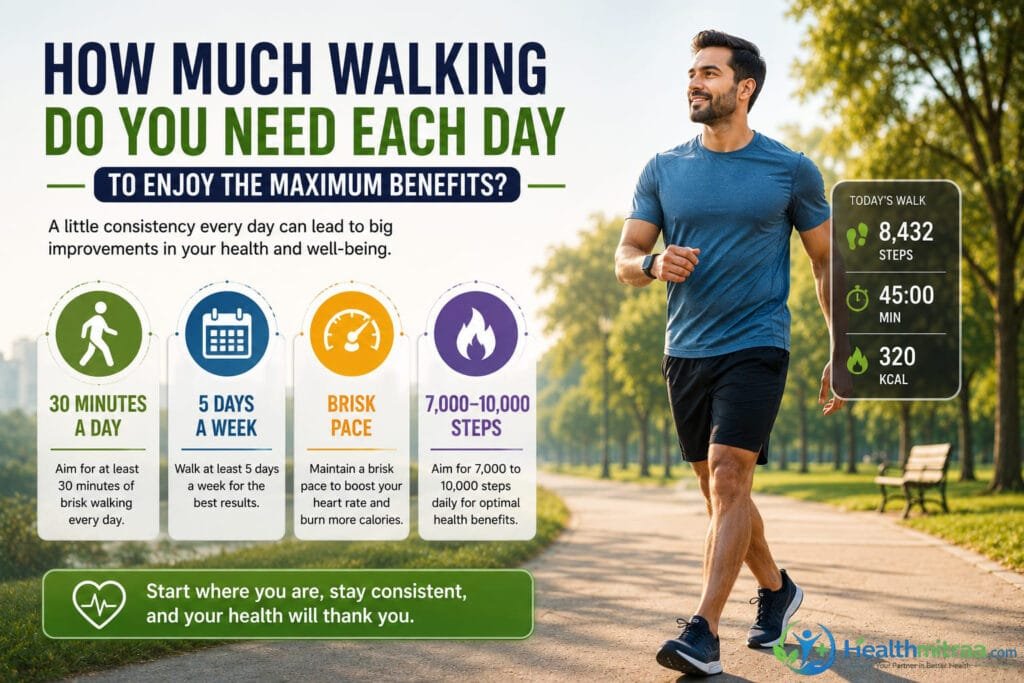
You don’t have to walk for hours to experience the *walking benefits. For most healthy adults, experts recommend aiming for at least **150 minutes of moderate-intensity walking per week, which equals about *30 minutes a day, five days a week. If you’re just getting started, even a 10–15 minute walk is a great first step, and you can gradually increase your time and pace as your fitness improves.
A brisk pace—where you can talk but not sing comfortably—is generally considered ideal for improving heart health and overall fitness. If your schedule is busy, you can split your walk into two or three shorter sessions throughout the day and still enjoy many of the same walking benefits.
Remember, consistency matters more than speed or distance. Walking regularly is far more effective than taking one long walk occasionally. Pair your daily walks with comfortable shoes, proper hydration, and a balanced diet to maximize the health benefits. Every step counts, and making walking a lifelong habit can lead to lasting improvements in your physical and mental well-being.
Simple Tips to Make Walking a Daily Habit and Stay Consistent
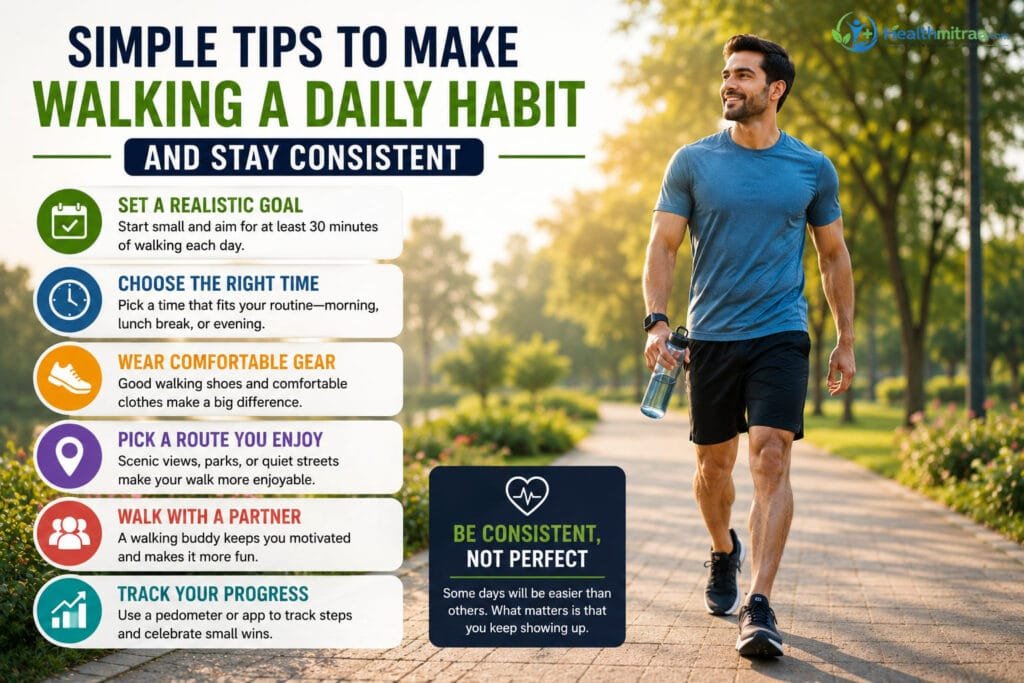
The biggest challenge isn’t starting to walk—it’s staying consistent. Fortunately, you don’t need major lifestyle changes to enjoy the long-term walking benefits. Begin with a realistic goal, such as walking for 15–20 minutes a day, and gradually increase your time or distance as your fitness improves. Small, consistent steps are far more effective than doing too much too soon.
Choose comfortable walking shoes that provide good support and wear lightweight clothing suitable for the weather. If possible, walk at the same time every day to turn it into a routine. Walking with a friend, family member, or even listening to your favorite music or podcast can make your daily walks more enjoyable and easier to maintain.
Tracking your daily steps with a fitness watch or smartphone app can also help keep you motivated. Instead of aiming for perfection, focus on making walking a regular habit. Over time, these simple changes can help you experience the full walking benefits, including improved fitness, better mood, increased energy, and long-term overall health. Remember, every step you take today is an investment in a healthier tomorrow.
Common Walking Mistakes That Can Reduce the Benefits
Walking is a simple exercise, but a few common mistakes can prevent you from enjoying the full walking benefits. One of the biggest mistakes is walking with poor posture. Keep your head up, shoulders relaxed, and back straight instead of looking down at your phone. Wearing uncomfortable or worn-out shoes can also lead to foot pain, blisters, or joint discomfort, making it harder to stay consistent.
Another mistake is starting too fast without warming up. Begin with a comfortable pace for a few minutes before increasing your speed. Likewise, stopping suddenly after a brisk walk isn’t ideal—slow down gradually to help your body recover. Many people also forget to stay hydrated, especially during hot weather or longer walks.
Consistency is equally important. Walking once or twice a week is helpful, but regular daily walks provide the greatest walking benefits for your heart, muscles, and overall fitness. Finally, don’t ignore pain or dizziness while walking. If you experience persistent discomfort, chest pain, or unusual shortness of breath, stop exercising and seek medical advice. By avoiding these simple mistakes, you can make every walk safer, more enjoyable, and more effective.
Who Can Benefit Most from Daily Walking?
The best thing about walking is that it’s suitable for almost everyone. Whether you’re young or older, active or just beginning your fitness journey, the walking benefits can support better physical and mental health. Adults with sedentary jobs can use daily walks to reduce the effects of prolonged sitting, while older adults may improve balance, mobility, and independence through regular walking.
People trying to lose weight or maintain a healthy weight can also benefit from walking when it’s combined with a balanced diet. Individuals with high blood pressure, high cholesterol, or prediabetes may find that regular walking supports overall heart and metabolic health as part of a healthy lifestyle. Even those dealing with everyday stress or low energy often notice improved mood and increased vitality after making walking a daily habit.
Children, teenagers, and families can enjoy the walking benefits together by taking evening walks, exploring parks, or choosing to walk instead of using a vehicle for short distances. However, people with severe heart disease, recent injuries, or medical conditions that limit physical activity should consult a healthcare professional before starting a new exercise routine. For most people, walking remains one of the safest and easiest ways to stay healthy.
When Should You Avoid Walking or Talk to a Doctor?
Although walking is one of the safest forms of exercise, there are situations where you should be cautious. If you experience chest pain, severe shortness of breath, dizziness, fainting, or sudden weakness while walking, stop immediately and seek medical attention. These symptoms could indicate an underlying health problem that requires prompt evaluation.
People recovering from recent surgery, serious injuries, or uncontrolled medical conditions should consult their healthcare provider before beginning a walking program. Individuals with severe arthritis, advanced heart disease, or balance disorders may also need personalized guidance to enjoy the walking benefits safely. Starting slowly and following medical advice can help reduce the risk of complications.
If you develop persistent joint pain, swelling, or discomfort that doesn’t improve with rest, avoid pushing through the pain. Instead, speak with a healthcare professional to identify the cause and receive appropriate treatment. For most healthy people, walking remains a safe and effective activity, but listening to your body is essential. Taking the right precautions allows you to enjoy the long-term walking benefits while protecting your overall health and reducing the risk of injury.
Frequently Asked Questions About Walking Benefits
Is walking every day good for your health?
Yes. Daily walking can improve heart health, strengthen muscles, boost mood, support healthy weight management, and lower the risk of several chronic diseases. The walking benefits become even more noticeable when walking is done consistently.
How many steps should I walk each day?
There isn’t a perfect number for everyone. While 10,000 steps is a popular goal, many people can experience walking benefits with fewer steps if they walk regularly at a moderate pace. Consistency matters more than reaching a specific number.
Can walking help with weight loss?
Yes. Walking burns calories and, when combined with a healthy, balanced diet, can support gradual and sustainable weight loss. Regular walking also helps improve metabolism and overall fitness.
Is walking better than running?
Both activities have health benefits. Walking is easier on the joints and suitable for most people, while running burns more calories in less time. The best choice depends on your fitness level, health conditions, and personal goals.
What is the best time of day to walk?
Morning, afternoon, or evening—all can provide excellent walking benefits. The ideal time is simply the one you can follow consistently as part of your daily routine.
Final Thoughts: Take the First Step Toward Better Health
Walking is one of the simplest yet most effective ways to improve your overall health. From supporting heart health and weight management to boosting mood and energy, the walking benefits can positively impact nearly every part of your body. The key is consistency—not perfection. Even a short daily walk can make a meaningful difference over time. Put on a comfortable pair of shoes, take that first step today, and let the walking benefits help you build a healthier, happier, and more active life.
Sources & References:
- World Health Organization (WHO)
- Centers for Disease Control and Prevention (CDC)
- American Heart Association (AHA)
Explore More:
- Exercise Benefits: 15 Amazing Health Benefits of Regular Exercise
- High Blood Pressure (Hypertension): Causes, Symptoms, Risk Factors and Prevention
- Low Blood Pressure: Symptoms, Treatment, and Prevention
- High Cholesterol: 10 Warning Signs, Causes, Symptoms & Treatment
- Diabetes: Essential Guide to Symptoms, Causes & Treatment
Medical Disclaimer:
The information on HealthMitraa.com is for educational and informational purposes only and should not be considered medical advice, diagnosis, or treatment. Always consult a qualified healthcare professional before making any medical decisions or starting a new treatment or exercise program. Never ignore or delay seeking professional medical advice because of something you have read on this website.