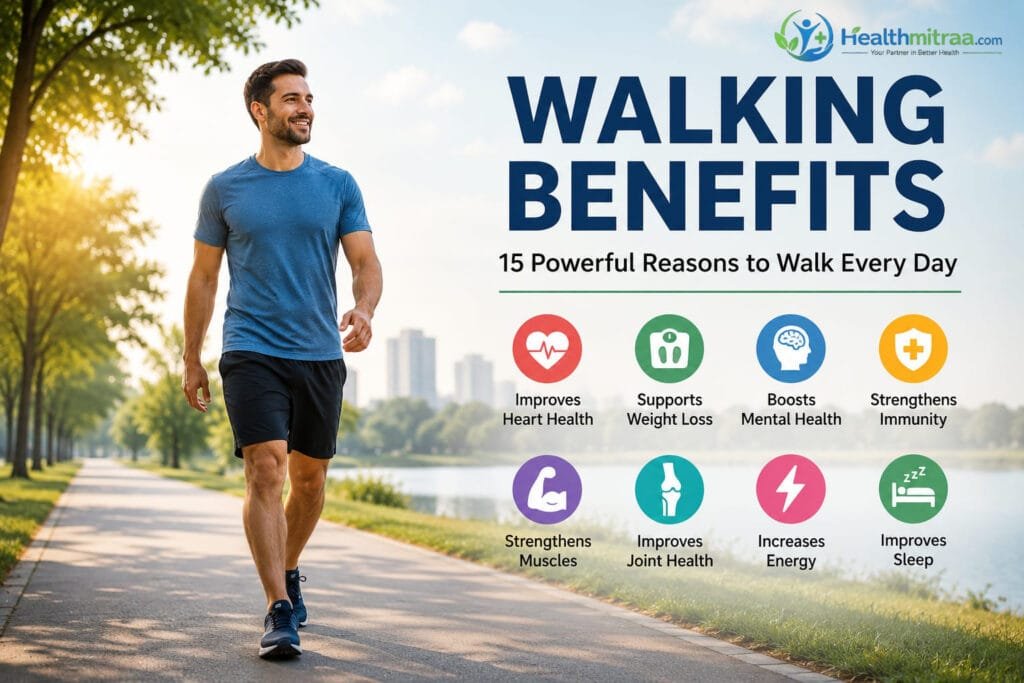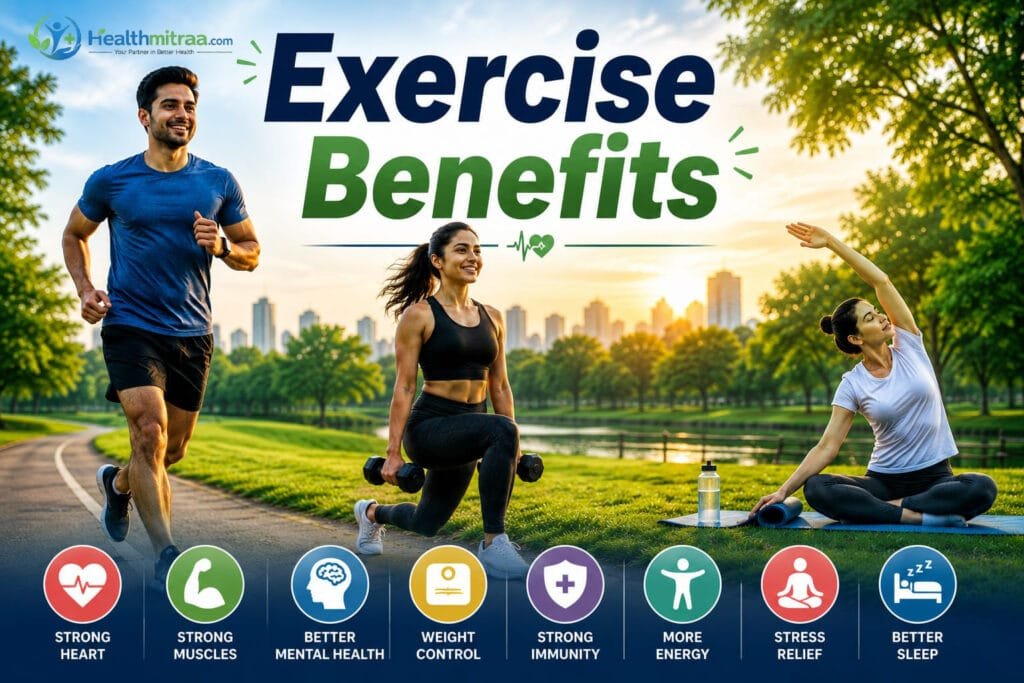
Introduction
What if one simple daily habit could help you live longer, strengthen your heart, boost your mood, improve your sleep, and lower your risk of many chronic diseases? That’s exactly what regular exercise can do. The exercise benefits extend far beyond weight loss—they improve both your physical and mental well-being, increase energy levels, and enhance your overall quality of life. Whether you’re just getting started or returning after a break, understanding these science-backed exercise benefits can motivate you to stay active and make healthier choices every day.
What Is Exercise
Exercise is any planned physical activity that helps improve or maintain your overall health and fitness. It includes activities such as walking, jogging, cycling, swimming, strength training, yoga, and home workouts. Regular exercise strengthens your heart, muscles, bones, and lungs while improving flexibility, balance, and endurance.
The benefits of exercise go beyond physical fitness. Staying active supports better mental health, improves sleep, boosts energy, helps maintain a healthy weight, and lowers the risk of many chronic diseases. The key is consistency—even moderate exercise performed regularly can make a lasting difference to your overall well-being. Exercise Benefits.
Key Takeaway: Exercise is much more than a way to stay fit or lose weight. It is one of the most effective lifestyle habits for protecting your heart, strengthening your body, improving mental well-being, and reducing the risk of numerous chronic diseases.
15 Science-Backed Exercise Benefits
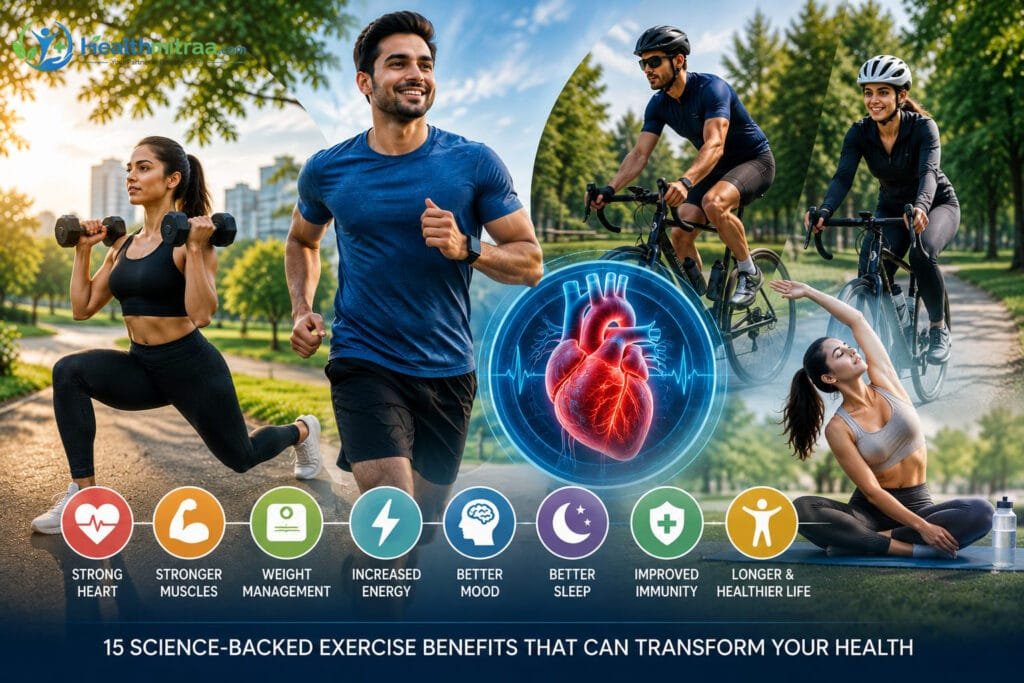
Regular physical activity is one of the most powerful habits you can adopt for a healthier and longer life. The exercise benefits are supported by decades of scientific research and extend far beyond weight management. Whether your goal is to improve heart health, build strength, boost mental well-being, or simply feel more energetic, consistent exercise positively affects nearly every organ and system in your body. Below are 15 science-backed exercise benefits that explain why staying active should be a lifelong priority.
1. Improves Heart Health
One of the most important exercise benefits is a healthier heart. Regular exercise strengthens the heart muscle, improves blood circulation, lowers blood pressure, and helps reduce bad (LDL) cholesterol while increasing good (HDL) cholesterol. These changes significantly lower the risk of heart disease, heart attack, and stroke.
2. Helps Maintain a Healthy Weight
Exercise burns calories, increases energy expenditure, and supports a healthy metabolism. When combined with a balanced diet, regular physical activity helps prevent weight gain and makes long-term weight management more achievable.
3. Strengthens Muscles and Bones
Strength training and weight-bearing exercises stimulate muscle growth and improve bone density. This reduces the risk of osteoporosis, fractures, muscle weakness, and age-related loss of strength while improving overall mobility.
4. Reduces the Risk of Type 2 Diabetes
Another major exercise benefit is improved blood sugar control. Physical activity increases insulin sensitivity, allowing your body to use glucose more efficiently and lowering the risk of developing type 2 diabetes.
5. Boosts Mental Health and Mood
Exercise stimulates the release of endorphins, serotonin, and dopamine—natural chemicals that improve mood and reduce stress. Regular physical activity has been shown to help manage anxiety, depression, and emotional stress while promoting overall mental well-being.
6. Increases Energy Levels
Although exercise requires energy, it actually helps your body produce more of it over time. Better circulation and improved oxygen delivery enable your muscles and organs to work more efficiently, leaving you feeling more energetic throughout the day.
7. Improves Sleep Quality
People who exercise regularly often fall asleep faster, sleep more deeply, and wake up feeling refreshed. Better sleep is one of the most overlooked exercise benefits, contributing to improved recovery, concentration, and overall health.
8. Supports Brain Function and Memory
Regular physical activity improves blood flow to the brain, supports the growth of new brain cells, and enhances memory, focus, and learning ability. It may also reduce the risk of age-related cognitive decline.
9. Strengthens the Immune System
Moderate exercise supports healthy immune function by improving circulation and helping immune cells move efficiently throughout the body. Staying active may reduce the frequency of common illnesses and support faster recovery.
10. Lowers the Risk of Chronic Diseases
Among the most valuable exercise benefits is the reduced risk of chronic conditions such as obesity, high blood pressure, metabolic syndrome, certain cancers, osteoporosis, and cardiovascular disease.
11. Improves Flexibility and Balance
Activities like stretching, yoga, and balance exercises improve posture, joint mobility, coordination, and stability. These improvements reduce the risk of falls and injuries, especially in older adults.
12. Enhances Daily Physical Performance
Regular exercise makes everyday activities—such as climbing stairs, carrying groceries, lifting objects, or playing with children—feel easier by improving strength, endurance, and overall physical fitness.
13. Increases Confidence and Self-Esteem
As your fitness improves, you may notice greater confidence, a more positive body image, and increased motivation. These emotional exercise benefits often encourage people to maintain healthier lifestyle habits.
14. Promotes Healthy Aging
Remaining physically active helps preserve muscle mass, bone strength, balance, flexibility, and independence as you grow older. Exercise is one of the most effective ways to maintain mobility and quality of life during aging.
15. May Help You Live Longer
Research consistently shows that physically active people have a lower risk of premature death compared to inactive individuals. By improving heart health, reducing chronic disease risk, and supporting overall well-being, regular exercise contributes to a healthier and potentially longer life.
Key Takeaway: The exercise benefits extend far beyond fitness or appearance. From protecting your heart and brain to strengthening your muscles, improving mental health, and supporting healthy aging, regular physical activity is one of the most effective ways to invest in your long-term health.
How Regular Exercise Improves Your Body, Mind, and Overall Well-Being
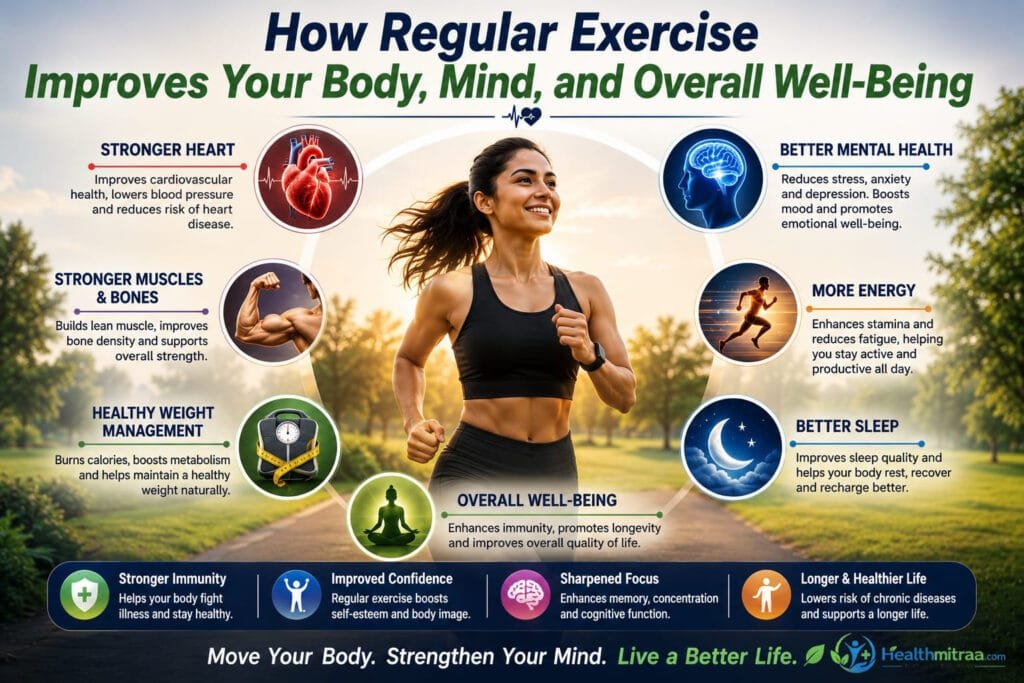
The remarkable exercise benefits don’t happen by chance. Every time you move your body, a series of positive changes begin inside your muscles, heart, lungs, brain, and other organs. Over time, these small improvements add up, making your body stronger, healthier, and more resilient against disease. Understanding how exercise works can also make it easier to stay motivated and maintain a consistent fitness routine. Exercise Benefits.
Improves Cardio vascular Health
During physical activity, your heart pumps more blood to deliver oxygen and nutrients throughout the body. Over time, regular exercise strengthens the heart muscle, improves blood circulation, and makes your cardiovascular system more efficient. As a result, your heart doesn’t have to work as hard during daily activities, reducing the risk of high blood pressure, heart disease, heart attack, and stroke. Exercise Benefits.
Strengthens Muscles and Bones
One of the most valuable exercise benefits is stronger muscles and healthier bones. Resistance exercises create tiny tears in muscle fibers, which repair themselves and become stronger after recovery. Weight-bearing activities also stimulate bone growth, helping maintain bone density and lowering the risk of osteoporosis and fractures, especially as you age.
Supports a Healthy Metabolism
Exercise increases the number of calories your body burns, not only during the workout but also afterward. Regular physical activity helps improve metabolism, making it easier to maintain a healthy body weight and reduce excess body fat. It also improves the way your body uses insulin, supporting healthy blood sugar levels.
Boosts Brain Function
Physical activity increases blood flow to the brain, delivering more oxygen and nutrients to brain cells. It also stimulates the release of brain-derived neurotrophic factor (BDNF), a protein that supports learning, memory, and the growth of new brain cells. These exercise benefits help improve concentration, mental clarity, and cognitive performance.
Improves Mental Health
Exercise naturally increases the production of endorphins, serotonin, and dopamine—chemicals that help regulate mood and emotions. These natural changes can reduce stress, anxiety, and symptoms of depression while improving overall emotional well-being. Many people notice they feel calmer, happier, and more focused after regular physical activity.
Strengthens the Immune System
Moderate exercise improves blood circulation, allowing immune cells to travel more efficiently throughout the body. This helps your immune system identify and respond to infections more effectively. Regular physical activity may also reduce chronic inflammation, which is linked to several long-term health conditions.
Improves Sleep and Recovery
People who stay physically active often experience deeper, more restorative sleep. Better sleep allows the body to repair muscles, regulate hormones, strengthen immunity, and restore energy levels. Improved recovery is one of the lesser-known but highly valuable exercise benefits, helping you feel refreshed and perform better the next day.
Promotes Healthy Aging
As people grow older, they naturally lose muscle mass, bone strength, flexibility, and balance. Regular exercise slows many of these age-related changes by maintaining physical function and independence. Staying active helps older adults remain mobile, reduces the risk of falls, and supports a higher quality of life. Exercise Benefits.
Improves Overall Quality of Life
Perhaps the greatest of all exercise benefits is how it improves everyday living. Simple tasks such as climbing stairs, carrying groceries, playing with children, traveling, or enjoying hobbies become easier when your body is stronger and more active. Regular exercise not only helps you live longer but also helps you live healthier, happier, and with greater independence.
Key Takeaway: Every workout creates positive changes inside your body. From strengthening your heart and muscles to improving brain function, immunity, sleep, and emotional well-being, the exercise benefits work together to support better health at every stage of life.
Different Types of Exercise and Their Unique Health Benefits
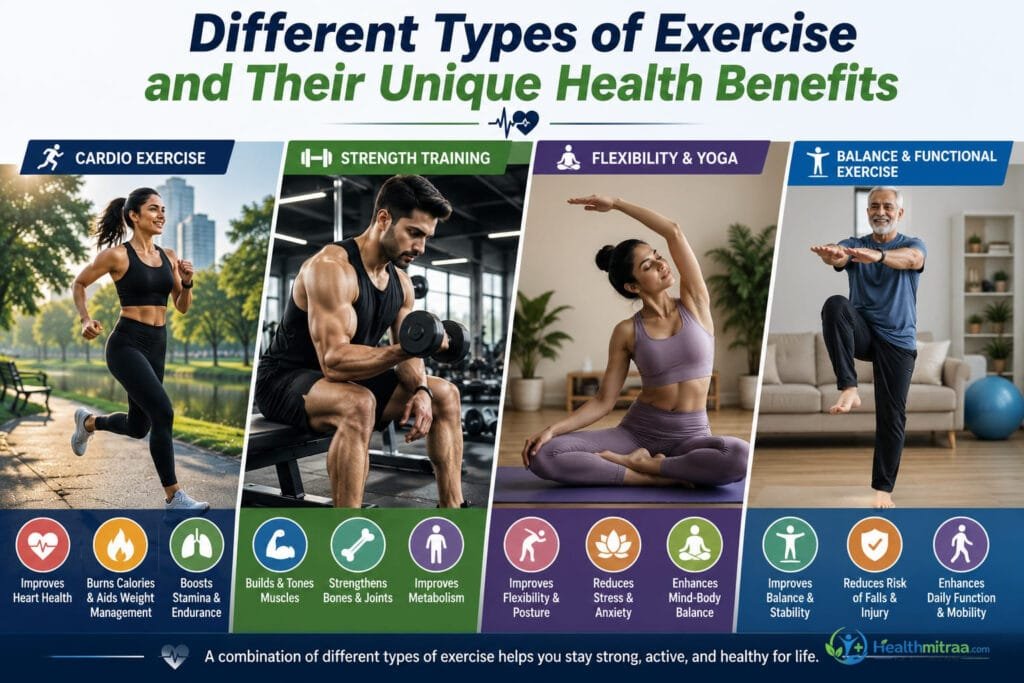
Not all exercises provide the same exercise benefits. Every type of physical activity targets different parts of the body and plays a unique role in improving overall health. That’s why health experts recommend including a combination of aerobic exercise, strength training, flexibility exercises, and balance training in your weekly fitness routine. Together, these forms of exercise help you achieve better physical fitness, reduce the risk of chronic diseases, and improve your quality of life. Exercise Benefits.
1. Aerobic (Cardio) Exercise
Aerobic exercise, also known as cardio, is any activity that increases your heart rate and breathing for an extended period. It strengthens your heart and lungs while improving endurance.
Examples:
- Brisk walking
- Running or jogging
- Cycling
- Swimming
- Dancing
- Hiking
- Jump rope
Health Benefits:
- Improves heart health
- Lowers blood pressure
- Burns calories effectively
- Supports weight management
- Increases stamina and endurance
- Reduces the risk of heart disease and stroke
2. Strength Training
Strength training focuses on building muscle strength by working against resistance. It can involve free weights, resistance bands, machines, or your own body weight.
Examples:
- Push-ups
- Squats
- Lunges
- Deadlifts
- Bench press
- Resistance band exercises
- Dumbbell workouts
Health Benefits:
- Builds lean muscle mass
- Strengthens bones
- Improves metabolism
- Enhances posture and balance
- Makes daily activities easier
- Helps prevent age-related muscle loss
3. Flexibility Exercises
Flexibility exercises improve the range of motion of your muscles and joints. They help reduce stiffness and improve overall mobility.
Examples:
- Static stretching
- Dynamic stretching
- Yoga
- Pilates
- Hamstring stretches
- Shoulder stretches
Health Benefits:
- Improves flexibility
- Reduces muscle tightness
- Supports better posture
- Decreases the risk of injuries
- Relieves muscle soreness after workouts
4. Balance Exercises
Balance training helps improve coordination and stability, making everyday movements safer and easier. {Exercise Benefits}
Examples:
- Single-leg stand
- Heel-to-toe walk
- Tai Chi
- Stability ball exercises
- Yoga balance poses
Health Benefits:
- Improves coordination
- Reduces the risk of falls
- Strengthens stabilizing muscles
- Supports healthy aging
- Enhances body control
5. High-Intensity Interval Training (HIIT)
HIIT combines short bursts of intense exercise with brief recovery periods. It is one of the most time-efficient ways to improve cardiovascular fitness. {Exercise Benefits}
Examples:
- Sprint intervals
- Burpees
- Mountain climbers
- Jump squats
- High knees
Health Benefits:
- Burns more calories in less time
- Improves cardiovascular fitness
- Increases endurance
- Supports fat loss
- Continues burning calories after the workout
Which Type of Exercise Is Best?
There isn’t a single “best” type of exercise because each offers different exercise benefits. Cardio keeps your heart healthy, strength training builds muscles and bones, flexibility exercises improve mobility, balance exercises reduce the risk of falls, and HIIT boosts fitness in a shorter time.
For the best results, aim to combine all these forms of exercise throughout the week. A balanced fitness routine not only improves physical performance but also supports better mental health, disease prevention, healthy aging, and overall well-being. Exercise Benefits.
Key Takeaway: Every type of exercise has a unique purpose. Combining cardio, strength training, flexibility, balance exercises, and occasional HIIT workouts allows you to experience the full range of exercise benefits while building a stronger, healthier, and more active body.
How Much Exercise Do You Really Need to Stay Healthy?
One of the most common questions people ask is, “How much exercise is enough?” The good news is that you don’t need to spend hours in the gym every day to improve your health. Even moderate physical activity performed consistently can significantly reduce the risk of chronic diseases, improve fitness, and support long-term well-being. Exercise Benefits.
According to leading health organizations such as the World Health Organization (WHO) and the American Heart Association (AHA), adults should aim for the following weekly physical activity goals.
For Most Healthy Adults
- At least 150–300 minutes of moderate-intensity aerobic activity every week, or
- 75–150 minutes of vigorous-intensity aerobic activity every week.
- Perform muscle-strengthening exercises at least 2 days per week involving all major muscle groups.
Following these recommendations helps maximize the exercise benefits while reducing the risk of heart disease, diabetes, obesity, and several other chronic conditions.
Moderate-Intensity Activities
These activities increase your heart rate and breathing while still allowing you to hold a conversation.
Examples include:
- Brisk walking
- Cycling on level ground
- Dancing
- Gardening
- Water aerobics
- Recreational swimming
Vigorous-Intensity Activities
These exercises require more effort and make talking difficult during the activity.
Examples include:
- Running
- Fast cycling
- HIIT workouts
- Jump rope
- Competitive sports
- Swimming laps
How Should Beginners Start?
If you’ve been inactive for a long time, don’t try to do everything at once. Begin with 10–15 minutes of light physical activity each day and gradually increase both the duration and intensity as your fitness improves. Exercise Benefits.
A simple beginner plan may look like this:
- Walk for 15–20 minutes, 5 days a week.
- Perform basic bodyweight exercises twice a week.
- Stretch for 5–10 minutes after each workout.
- Increase activity gradually every few weeks.
Starting slowly helps reduce the risk of injury and makes it easier to develop a long-term exercise habit.
Is Daily Exercise Necessary?
Daily movement is beneficial, but your body also needs time to recover. Light activities such as walking, stretching, or yoga can be performed almost every day, while intense strength training sessions should be alternated with adequate rest to allow muscles to recover and grow.
Remember, consistency is far more important than perfection. Exercising regularly for years is much more beneficial than exercising intensely for a few weeks and then stopping. Exercise Benefits.
Key Takeaway: You don’t need extreme workouts to become healthier. Following the recommended amount of weekly physical activity, progressing gradually, and staying consistent will help you enjoy long-term health improvements while safely maximizing the exercise benefits.
Simple Tips to Start Exercising Safely and Stay Consistent
Starting an exercise routine may seem overwhelming, especially if you’ve been inactive for months or even years. Many people believe they need expensive gym memberships, advanced equipment, or intense workouts to become healthy. In reality, the best exercise plan is the one you can follow consistently. Small, sustainable changes often lead to bigger and longer-lasting results than extreme fitness routines. Exercise Benefits.
If you’re new to physical activity, these practical tips can help you build a safe and enjoyable routine while reducing the risk of injuries.
1. Start Slowly
Don’t try to exercise for an hour on your first day. Begin with just 10–20 minutes of moderate activity, such as brisk walking or light stretching. As your body adapts, gradually increase both the duration and intensity of your workouts.
2. Choose Activities You Enjoy
You’ll be more likely to stay active if you enjoy what you’re doing. There’s no single “perfect” workout for everyone.
Popular options include:
- Walking
- Cycling
- Swimming
- Yoga
- Dancing
- Strength training
- Home workouts
The more enjoyable the activity, the easier it becomes to stay consistent.
3. Set Realistic Goals
Avoid expecting dramatic results within a few days. Instead, set simple and achievable goals such as:
- Walk 30 minutes a day.
- Exercise 5 days a week.
- Complete two strength-training sessions weekly.
- Improve flexibility with daily stretching.
Small achievements build confidence and create long-term habits. Exercise Benefits.
4. Always Warm Up Before Exercising
A proper warm-up prepares your muscles and joints for physical activity. Spend 5–10 minutes doing light cardio and dynamic stretching before every workout. This helps improve performance and lowers the risk of muscle strains.
5. Stay Hydrated
Drink enough water before, during, and after exercise. Proper hydration helps regulate body temperature, supports muscle function, and replaces fluids lost through sweat.
6. Wear Comfortable Clothing and Proper Footwear
Choose clothing that allows free movement and shoes designed for your preferred activity. Proper footwear provides better support, improves comfort, and helps prevent foot, knee, and ankle injuries.
7. Listen to Your Body
It’s normal to experience mild muscle soreness after exercise, especially when starting a new routine. However, stop exercising immediately if you experience:
- Chest pain
- Severe shortness of breath
- Dizziness
- Fainting
- Sharp joint pain
- Sudden swelling
These symptoms require medical evaluation before continuing physical activity.
8. Give Your Body Time to Recover
Rest is an important part of any fitness routine. Your muscles become stronger during recovery, not during the workout itself. Include at least one or two recovery days each week, especially after intense training sessions.
9. Make Exercise Part of Your Daily Routine
Consistency is easier when exercise becomes a habit. Try exercising at the same time every day, schedule workouts like appointments, or find a workout partner to stay motivated and accountable.
10. Celebrate Progress Instead of Perfection
Every workout counts. Focus on building healthy habits rather than chasing perfection. Whether you’ve completed a short walk or an intense workout, every step moves you closer to better health.
Key Takeaway: The safest and most effective fitness routine is one that fits your lifestyle and can be maintained consistently. Start small, progress gradually, prioritize proper recovery, and stay patient. Healthy habits built over time produce far greater results than short-term motivation.
Common Exercise Mistakes That Can Slow Your Progress or Increase Injury Risk
Regular physical activity offers numerous health advantages, but following the wrong approach can reduce your progress or even lead to injuries. Many beginners—and sometimes experienced individuals—make common mistakes that affect their performance, recovery, and long-term results. Understanding these mistakes can help you exercise more safely and effectively while enjoying better outcomes. Exercise Benefits.
1. Skipping the Warm-Up
Starting an intense workout without warming up is one of the most common mistakes. Cold muscles and stiff joints are more likely to experience strains or injuries. {Exercise Benefits}
A proper warm-up should include:
- 5–10 minutes of light cardio
- Dynamic stretching
- Gentle mobility exercises
This prepares your body for physical activity and improves workout performance.
2. Ignoring Proper Technique
Using incorrect form during exercises such as squats, push-ups, lunges, or weightlifting places unnecessary stress on your muscles and joints. Exercise Benefits.
Poor technique may lead to:
- Muscle strains
- Joint pain
- Back injuries
- Reduced workout effectiveness
If you’re unsure about proper form, start with basic movements or seek guidance from a qualified fitness professional.
3. Doing Too Much Too Soon
Many people become highly motivated in the beginning and suddenly start exercising every day at high intensity. This often leads to excessive soreness, fatigue, burnout, or injury. {Exercise Benefits}
Instead:
- Increase workout duration gradually.
- Add intensity slowly.
- Allow your body enough time to adapt.
4. Skipping Rest and Recovery
Exercise improves your body, but recovery is when muscles repair and grow stronger. Training intensely every day without adequate rest may increase the risk of overtraining.
Signs of poor recovery include:
- Constant fatigue
- Poor sleep
- Reduced performance
- Persistent muscle soreness
- Frequent injuries
Scheduling regular recovery days is an essential part of a healthy fitness routine.
5. Poor Hydration
Not drinking enough water before, during, or after exercise can affect physical performance and increase the risk of dehydration.
Stay hydrated by:
- Drinking water throughout the day.
- Replacing fluids lost through sweating.
- Increasing fluid intake during hot weather or long workouts.
6. Neglecting Nutrition
Exercise alone cannot provide the best results without proper nutrition. Your body requires carbohydrates for energy, protein for muscle repair, healthy fats for hormone production, and essential vitamins and minerals for recovery. {Exercise Benefits}
Eating balanced meals helps support overall fitness and recovery.
7. Comparing Yourself to Others
Everyone has a different fitness level, body type, age, and health condition. Comparing your progress with someone else can lead to frustration and unrealistic expectations.
Focus on your own improvement by celebrating small achievements and staying consistent.
8. Inconsistent Exercise Routine
One intense workout each week cannot replace regular physical activity. Consistency is far more important than occasional extreme effort.
Aim to develop a routine that fits your lifestyle and can be maintained for months and years—not just a few weeks.
9. Ignoring Pain Signals
Muscle soreness after exercise is common, but sharp pain is not.
Stop exercising and seek medical advice if you experience:
- Chest pain
- Severe shortness of breath
- Sudden dizziness
- Joint swelling
- Sharp or persistent pain
Ignoring these warning signs may worsen an injury or delay recovery.
10. Expecting Immediate Results
Health improvements take time. While some people notice increased energy and better sleep within a few weeks, significant changes in strength, endurance, or body composition usually require consistent effort over several months.
Patience and consistency always produce better long-term results than quick fixes.
Key Takeaway: Avoiding common exercise mistakes is just as important as exercising itself. Focus on proper technique, gradual progress, balanced nutrition, adequate recovery, and consistency to build a safe, sustainable, and effective fitness routine that supports long-term health.
When Should You Avoid Exercise or Talk to a Doctor?
Although regular physical activity is safe and beneficial for most people, there are situations where exercising without proper medical advice may do more harm than good. Starting or continuing an exercise program while ignoring certain health conditions can increase the risk of serious complications. Knowing when to slow down, rest, or consult a healthcare professional is an important part of exercising safely. {Exercise Benefits}
You Should Talk to a Doctor Before Starting an Exercise Program If You:
- Have heart disease or a history of heart attack or stroke.
- Have uncontrolled high blood pressure.
- Have diabetes with complications.
- Have severe asthma or other chronic lung diseases.
- Experience frequent dizziness or fainting.
- Have kidney disease or liver disease.
- Are recovering from major surgery.
- Are pregnant and planning a new exercise routine.
- Have severe arthritis or joint problems.
- Have any chronic medical condition that limits physical activity.
A healthcare professional can recommend the safest type and intensity of exercise based on your age, fitness level, and medical history.
Stop Exercising Immediately If You Experience:
Do not ignore warning signs during a workout. Stop exercising and seek immediate medical attention if you notice: Exercise Benefits.
- Chest pain or chest pressure.
- Severe shortness of breath that doesn’t improve with rest.
- Dizziness or fainting.
- Irregular or rapid heartbeat.
- Sudden weakness or numbness.
- Sharp pain in your joints, muscles, or bones.
- Difficulty breathing.
- Blurred vision or confusion.
These symptoms may indicate a serious medical condition that requires prompt evaluation.
When Should You Skip Exercise?
There are certain situations where taking a short break is the healthier choice.
Avoid intense workouts if you:
- Have a high fever.
- Are experiencing vomiting or severe diarrhea.
- Have a contagious illness such as influenza or COVID-19.
- Have an untreated injury.
- Feel unusually exhausted or extremely fatigued.
- Are recovering from a major illness or surgery unless your doctor has approved physical activity.
Once your condition improves, you can gradually return to your normal exercise routine.
Exercise Is Not One-Size-Fits-All
Age, medical conditions, current fitness level, and personal goals all influence the type of exercise that’s right for you. A workout that is suitable for one person may not be appropriate for another. Starting slowly and increasing intensity gradually is usually the safest approach for beginners and people returning after a long break. {Exercise Benefits}
Can People With Chronic Diseases Exercise?
Yes. In many cases, regular physical activity is recommended for people living with chronic conditions such as diabetes, hypertension, arthritis, osteoporosis, and heart disease. However, the exercise program should be individualized and approved by a qualified healthcare professional to ensure safety and effectiveness.
Key Takeaway: Exercise is safe for most people, but it should always match your health condition and fitness level. If you have an underlying medical condition or experience unusual symptoms during physical activity, stop exercising and consult a healthcare professional before continuing.
Frequently Asked Questions (FAQs) About Exercise Benefits
1. How much exercise should I do every day?
For most healthy adults, experts recommend at least *30 minutes of moderate-intensity physical activity on most days of the week, or a minimum of *150 minutes per week. Strength training should also be included at least twice weekly for better overall fitness and long-term health.
2. What is the best time to exercise?
There is no single “best” time to exercise. Morning, afternoon, or evening workouts can all be effective. The ideal time is whenever you can exercise consistently and comfortably.
3. Can I exercise every day?
Yes. Light to moderate activities such as walking, stretching, yoga, or cycling can be performed daily. However, high-intensity workouts and heavy strength training should be balanced with adequate recovery to allow your muscles to repair and grow.
4. How long does it take to see results from regular exercise?
Many people notice improvements in energy levels, mood, and sleep quality within a few weeks. Visible changes in strength, endurance, or body composition usually require several weeks to months of consistent physical activity, healthy eating, and proper recovery.
5. Is walking enough to stay healthy?
Yes. Brisk walking is an excellent form of aerobic exercise that supports heart health, improves endurance, helps manage body weight, and lowers the risk of several chronic diseases. Combining walking with strength and flexibility exercises provides even greater overall health benefits.
Quick Summary: Regular physical activity is one of the most effective ways to improve overall health. Choosing activities you enjoy, following a consistent routine, eating a balanced diet, and allowing adequate recovery can help you achieve long-term fitness and well-being.
Conclusion:
Regular exercise is one of the best investments you can make for your health. From improving heart health and mental well-being to increasing strength, energy, and longevity, the Exercise Benefits are backed by science. Start with small, consistent steps, stay active, and choose activities you enjoy. If you have an underlying medical condition, consult a healthcare professional before beginning a new exercise routine.
Sources & References:
The information in this article Exercise Benefits is based on guidance from reputable medical organizations, government health agencies, and evidence-based clinical resources.
- MedlinePlus. Exercise and Physical Fitness.
- Centers for Disease Control and Prevention (CDC). Benefits of Physical Activity.
- National Institutes of Health (NIH). Exercise and Physical Activity.
Explore More:
- High Blood Pressure (Hypertension): Causes, Symptoms, Risk Factors and Prevention
- Diabetes: Essential Guide to Symptoms, Causes & Treatment
- High Cholesterol: 10 Warning Signs, Causes, Symptoms & Treatment
- Fatty Liver: Symptoms, Causes, Stages, Treatment & Prevention
Medical Disclaimer:
The information in this article Exercise Benefits is for educational purposes only and should not replace professional medical advice, diagnosis, or treatment. Always consult a qualified healthcare professional before starting a new exercise program, especially if you have an underlying medical condition or injury.