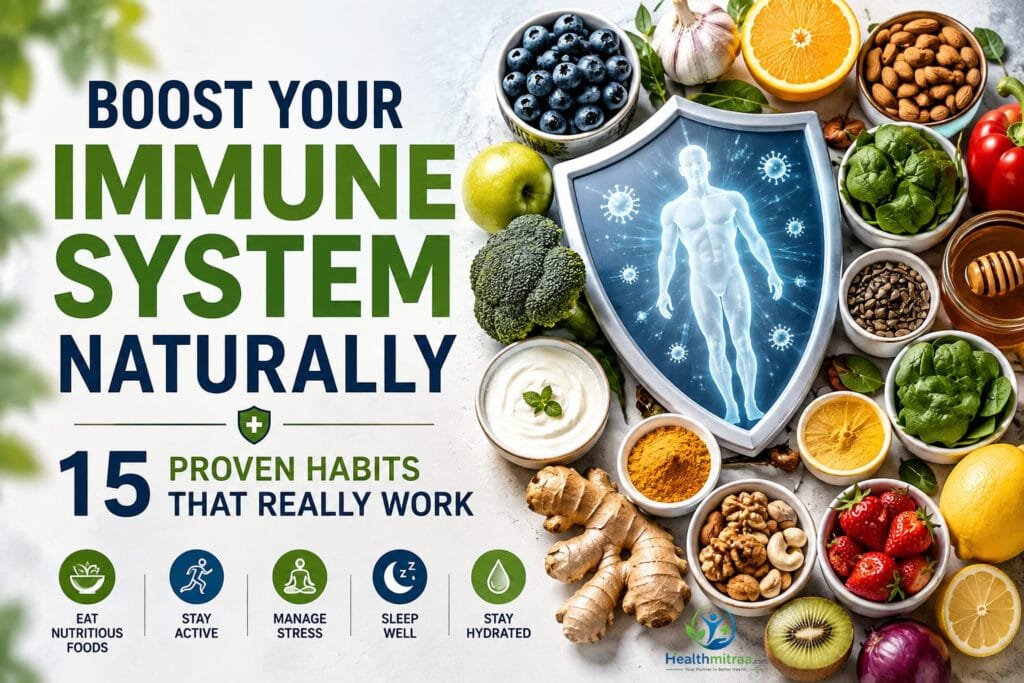
Your immune system works around the clock to protect your body from harmful bacteria, viruses, and other germs. While no food, supplement, or lifestyle habit can guarantee that you’ll never get sick, healthy daily choices can help your immune system function at its best. If you’re looking to boost your immune system naturally, the good news is that simple habits—such as eating a balanced diet, staying active, getting enough sleep, and managing stress—can make a meaningful difference over time. In this guide, you’ll discover 15 proven habits that really work, backed by scientific evidence, to help support your immune health and overall well-being.
Why Your Immune System Matters
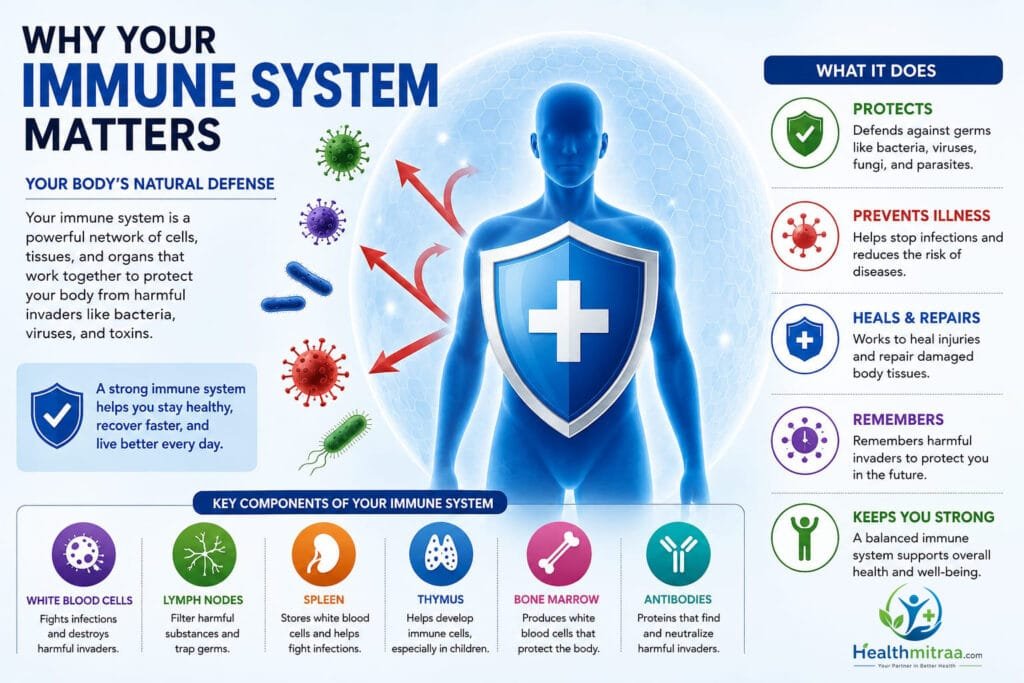
Your immune system is your body’s natural defense against harmful bacteria, viruses, fungi, and other disease-causing germs. Every day, it works silently to identify and remove potential threats before they make you sick. While no immune system is perfect, healthy lifestyle choices can help it function more effectively. If you want to boost your immune system naturally, focusing on everyday habits is more beneficial than relying on quick fixes or miracle supplements. Boost Your Immune System Naturally.
Eating nutritious foods, staying physically active, getting quality sleep, managing stress, and keeping up with recommended vaccinations all support a healthy immune response. Understanding how your immune system works is the first step toward making informed choices that protect your health and improve your overall well-being throughout the year.
15 Proven Habits to Boost Your Immune System Naturally
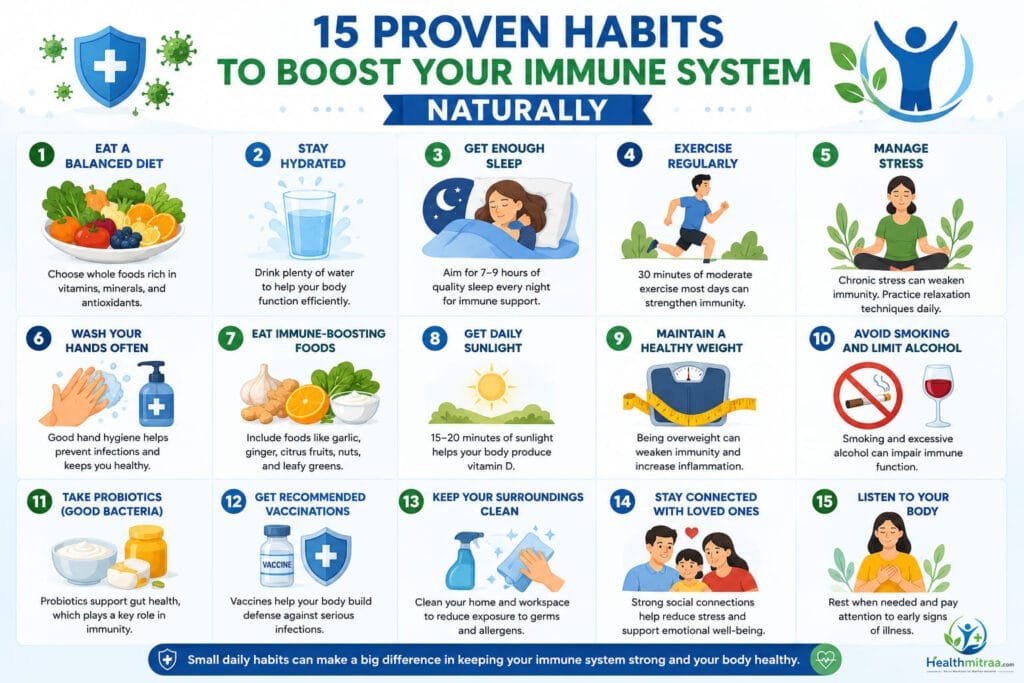
1. Eat a Balanced, Nutrient-Rich Diet
A balanced diet is one of the most effective ways to boost your immune system naturally. Choose a variety of colorful fruits, vegetables, whole grains, lean proteins, legumes, nuts, seeds, and healthy fats. These foods provide essential vitamins, minerals, antioxidants, and protein that support normal immune function. Instead of searching for a single “superfood,” focus on eating a wide range of nutrient-rich foods every day to help your body stay healthy and resilient.
2. Prioritize Quality Sleep
Getting enough sleep allows your body to recover and supports many important immune processes. Most adults should aim for 7–9 hours of quality sleep each night. Poor or inconsistent sleep may reduce your body’s ability to fight infections and recover efficiently. Maintaining a regular sleep schedule is a simple but powerful habit that can help boost your immune system naturally.
3. Stay Physically Active
Regular physical activity supports healthy circulation and helps your immune system function efficiently. Aim for at least 150 minutes of moderate-intensity exercise each week, along with muscle-strengthening activities on two or more days. Walking, cycling, swimming, and yoga are excellent choices that improve overall health while helping boost your immune system naturally.
4. Drink Enough Water
Proper hydration supports circulation, digestion, and many other essential body functions. Make water your primary beverage throughout the day, especially during hot weather or after exercise.
5. Eat Enough Protein
Protein helps your body build and repair tissues and supports the production of immune cells. Include healthy protein sources such as fish, eggs, beans, lentils, dairy products, tofu, or lean poultry in your daily meals to support overall immune health.
6. Get Enough Vitamin D
Vitamin D plays an important role in supporting normal immune function. Many people can maintain healthy vitamin D levels through safe sunlight exposure, vitamin D-rich foods such as fatty fish and fortified dairy products, or supplements when recommended by a healthcare professional. If you have concerns about low vitamin D levels, speak with your doctor before starting supplements. Maintaining adequate vitamin D is one practical way to boost your immune system naturally.
7. Practice Good Hygiene
Good hygiene helps reduce your exposure to harmful germs and supports your body’s natural defenses. Wash your hands with soap and water before eating, after using the restroom, and after coughing or sneezing. Avoid touching your eyes, nose, and mouth with unwashed hands, and keep frequently touched surfaces clean. These simple habits work together to boost your immune system naturally by lowering the risk of infections.
8. Eat More Fermented Foods
Your gut and immune system are closely connected. Fermented foods such as yogurt with live cultures, kefir, kimchi, sauerkraut, and miso contain beneficial bacteria that help support a healthy gut microbiome. Including these foods regularly as part of a balanced diet may contribute to better digestive and immune health.
9. Stay Up to Date with Recommended Vaccinations
Vaccines train your immune system to recognize and respond to certain infections more effectively. Following the vaccination schedule recommended for your age and health status is one of the safest and most effective ways to protect yourself and your community.
10. Spend Time Outdoors
Spending time outdoors encourages physical activity, provides natural sunlight, and may help reduce stress. Whether it’s a morning walk, gardening, or exercising in a park, regular outdoor time supports overall well-being and can help boost your immune system naturally as part of a healthy lifestyle.
11. Stay Connected with Family and Friends
Strong social connections can positively influence mental well-being, which is closely linked to overall health. Spending quality time with family, friends, or supportive communities may help reduce stress and encourage healthy lifestyle habits. Healthy relationships are an often-overlooked way to boost your immune system naturally.
12. Limit Ultra-Processed Foods
Diets high in sugary drinks, refined carbohydrates, and heavily processed foods may reduce the overall quality of your nutrition. Instead, choose whole foods such as vegetables, fruits, legumes, nuts, whole grains, lean proteins, and healthy fats. A balanced eating pattern provides the nutrients your immune system needs to function effectively.
13. Stay Physically Active Every Day
You don’t need intense workouts to stay healthy. Regular activities such as brisk walking, cycling, swimming, or yoga help improve circulation and support overall immune function. Aim to move your body daily and reduce long periods of sitting whenever possible.
14. Avoid Unnecessary Antibiotic Use
Antibiotics are effective only against bacterial infections and should be used exactly as prescribed by a healthcare professional. Taking antibiotics when they aren’t needed may contribute to antibiotic resistance and can disrupt the balance of beneficial bacteria in your gut, which also supports immune health.
15. Be Consistent with Healthy Habits
There is no single food, drink, or supplement that can instantly strengthen your immune system. The most reliable way to boost your immune system naturally is to follow healthy habits consistently. Eating nutritious foods, staying active, sleeping well, managing stress, and practicing good hygiene every day can have a lasting positive impact on your overall health and well-being.
Science-Backed Benefits of a Strong Immune System
A healthy immune system does much more than help protect you from everyday germs. It plays an important role in recognizing harmful pathogens, supporting recovery from illness, and maintaining overall health. When you consistently boost your immune system naturally through balanced nutrition, regular physical activity, quality sleep, stress management, and other healthy habits, your body is better prepared to respond to infections.
A strong immune system may also help reduce the severity and duration of some common illnesses while supporting healthy healing and recovery. Although no lifestyle habit can completely prevent disease, making evidence-based daily choices strengthens your body’s natural defenses over time. The goal isn’t to create a “perfect” immune system but to support one that functions effectively as part of a healthy, balanced lifestyle.
Best Foods That Support Your Immune System
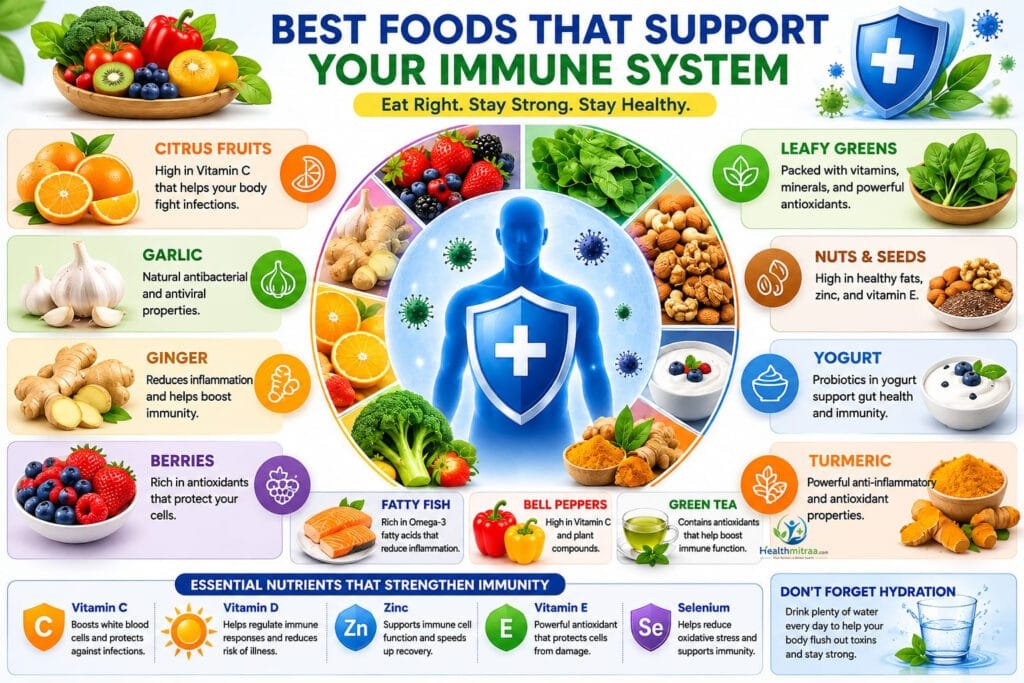
While no single food can prevent illness, eating a variety of nutrient-rich foods provides your body with the vitamins, minerals, protein, and antioxidants needed for normal immune function. If you want to boost your immune system naturally, focus on building balanced meals instead of relying on expensive supplements or so-called “immune-boosting” products. Citrus fruits like oranges and grapefruit provide vitamin C, while berries are rich in antioxidants. Leafy green vegetables such as spinach and kale contain vitamins A, C, and K. Garlic and ginger add flavor and beneficial plant compounds to meals. Boost Your Immune System Naturally.
Yogurt with live cultures and other fermented foods help support a healthy gut microbiome, which is closely linked to immune health. Nuts, seeds, beans, eggs, fish, and lean poultry provide protein, zinc, vitamin D, and healthy fats that contribute to normal immune function. Drinking enough water and limiting ultra-processed foods and sugary drinks also supports overall health. A colorful, balanced diet remains one of the safest and most effective ways to boost your immune system naturally throughout the year.
Common Habits That Can Weaken Your Immune System
Some everyday habits may reduce your body’s ability to function at its best over time. Chronic sleep deprivation, a diet high in ultra-processed foods, smoking, excessive alcohol consumption, and a lack of regular physical activity can all negatively affect overall health, including normal immune function. Long-term stress that isn’t managed may also influence how well your body responds to illness. Boost Your Immune System Naturally.
If you’re trying to boost your immune system naturally, avoid relying on miracle supplements or quick fixes. Instead, focus on consistent healthy habits such as eating balanced meals, staying active, getting enough sleep, managing stress, and practicing good hygiene. Small lifestyle improvements, maintained over time, are far more effective than temporary changes and provide lasting benefits for your immune health and overall well-being.
Signs Your Immune System May Need More Support
Your immune system naturally changes throughout life, and occasional illnesses are normal. However, if you frequently feel unwell or notice recurring health problems, it may be a sign that your body needs better support through healthy lifestyle habits. While these signs do not always indicate a weakened immune system, they shouldn’t be ignored if they persist or become severe. Boost Your Immune System Naturally.
Frequent colds or infections that occur several times a year, wounds that heal more slowly than expected, and ongoing tiredness despite getting enough sleep may all deserve attention. Some people also experience recurring sinus infections, digestive problems, or take longer to recover after common illnesses. Poor nutrition, chronic stress, lack of physical activity, inadequate sleep, smoking, excessive alcohol use, and certain medical conditions can all affect normal immune function.
If you’re trying to boost your immune system naturally, start by improving the basics. Eat a balanced diet rich in fruits, vegetables, whole grains, lean protein, and healthy fats. Stay physically active, drink enough water, prioritize 7–9 hours of sleep, manage stress, and keep up with recommended vaccinations. These habits support your body’s natural defenses over time. Boost Your Immune System Naturally.
If you experience frequent serious infections, persistent fever, unexplained weight loss, or symptoms that continue for weeks, consult a qualified healthcare professional for a proper evaluation instead of relying on home remedies or supplements alone.
Who Should Focus Most on Immune Health?
Everyone can benefit from healthy immune-supporting habits, but some people should pay extra attention to their immune health. Older adults, young children, people with chronic medical conditions, individuals under long-term stress, and those who don’t get enough sleep may especially benefit from a healthy lifestyle. If you’re looking to boost your immune system naturally, start with balanced nutrition, regular physical activity, quality sleep, stress management, and good hygiene. These simple, consistent habits support normal immune function and contribute to better overall health. If you have a medical condition or concerns about your immune system, consult a qualified healthcare professional for personalized advice. Boost Your Immune System Naturally.
Frequently Asked Questions (FAQs)
1. Can I boost my immune system naturally?
Yes. You can boost your immune system naturally by following healthy lifestyle habits such as eating a balanced diet, staying physically active, getting enough sleep, managing stress, staying hydrated, and avoiding smoking.
2. Which foods are best for immune health?
A variety of nutrient-rich foods, including fruits, vegetables, whole grains, lean proteins, nuts, seeds, and fermented foods, support normal immune function. No single food can prevent illness on its own.
3. Do immune-boosting supplements really work?
Most healthy people can meet their nutritional needs through a balanced diet. Supplements may be helpful in certain situations, but they should not replace healthy eating or be taken without professional advice.
4. Does exercise improve the immune system?
Regular moderate exercise supports overall health and healthy immune function. Aim for at least 150 minutes of moderate physical activity each week.
5. How long does it take to improve immune health?
There is no instant solution. Consistently following healthy habits over weeks and months is the best way to support your immune system and overall well-being.
Bonus Section
Expert Tips
- Build your meals around a variety of colorful fruits and vegetables instead of relying on one “superfood.”
- Aim for 7–9 hours of quality sleep each night to support normal immune function.
- Stay physically active most days of the week and manage stress through mindfulness, deep breathing, or hobbies you enjoy.
Did You Know?
Your immune system and gut are closely connected. A healthy gut microbiome, supported by fiber-rich and fermented foods, plays an important role in maintaining normal immune function.
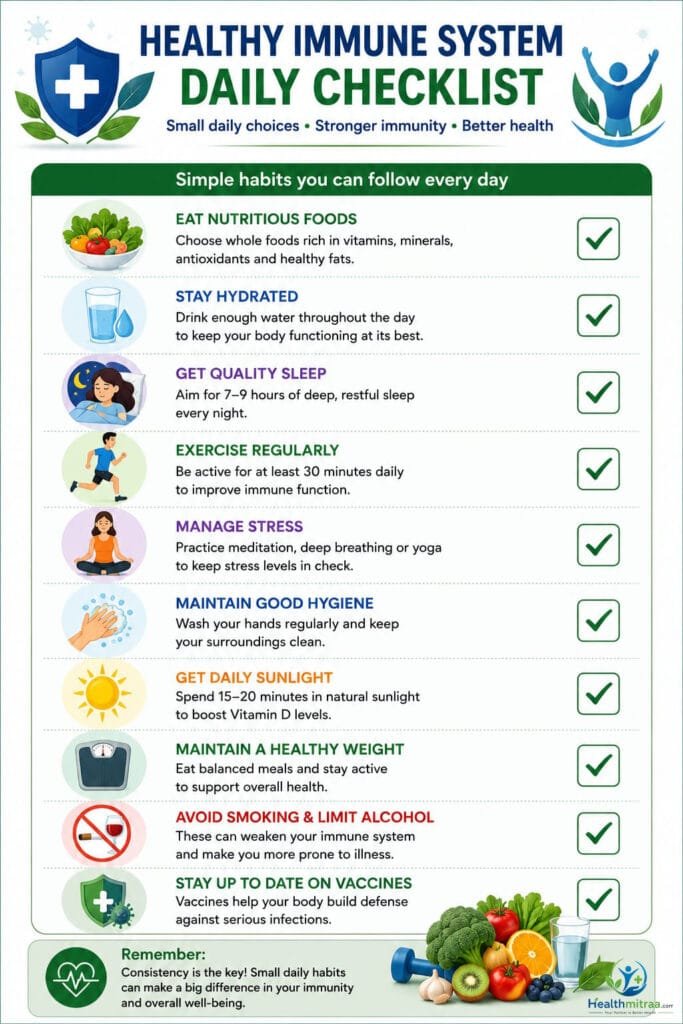
Healthy Immune System Checklist
- ✅ Eat a balanced diet
- ✅ Sleep 7–9 hours
- ✅ Exercise regularly
- ✅ Stay hydrated
- ✅ Manage stress
- ✅ Practice good hygiene
- ✅ Avoid smoking
- ✅ Stay up to date with recommended vaccinations
Healthy Swaps
- ❌ Sugary drinks → ✅ Water or unsweetened beverages
- ❌ Processed snacks → ✅ Fresh fruit or mixed nuts
- ❌ Staying indoors all day → ✅ Daily outdoor walk
- ❌ Late-night screen time → ✅ Consistent bedtime routine
Myth vs. Fact
| Myth | Fact |
|---|---|
| One supplement can instantly boost immunity. | No single supplement can instantly strengthen your immune system. |
| Vitamin C prevents every cold. | Vitamin C supports normal immune function but cannot guarantee illness prevention. |
| Only older adults need to care about immune health. | Healthy immune habits benefit people of all ages. |
| Skipping sleep has little effect on immunity. | Quality sleep is an important part of a healthy immune system. |
Key Takeaways
- Eat a balanced, nutrient-rich diet every day.
- Prioritize quality sleep and regular physical activity.
- Stay hydrated and manage stress effectively.
- Avoid smoking and limit alcohol consumption.
- The best way to boost your immune system naturally is through consistent, healthy lifestyle habits—not quick fixes or miracle supplements.
Conclusion
The best way to boost your immune system naturally is through simple, consistent lifestyle habits rather than quick fixes. Eating nutritious foods, staying active, getting enough sleep, managing stress, and practicing good hygiene all support normal immune function. Small daily choices, maintained over time, can make a meaningful difference in your overall health and well-being.
References
- Mayo Clinic – Healthy Lifestyle
- Centers for Disease Control and Prevention (CDC) – Healthy Living
- National Institutes of Health (NIH) – Office of Dietary Supplements
- World Health Organization (WHO) – Health Topics
- Academy of Nutrition and Dietetics – Nutrition Information
Related Articles
- Healthy Morning Routine: 15 Simple Habits That Can Transform Your Health
- Sleep Hygiene: 15 Science-Backed Tips for Better Sleep
- Stress Management: 15 Proven Ways to Reduce Stress Naturally
- Best Fruits for Weight Loss: 25 Healthy Fruits Backed by Science
Medical Disclaimer: This article is for educational purposes only and is not a substitute for professional medical advice, diagnosis, or treatment. Always consult a qualified healthcare professional for personalized medical advice.