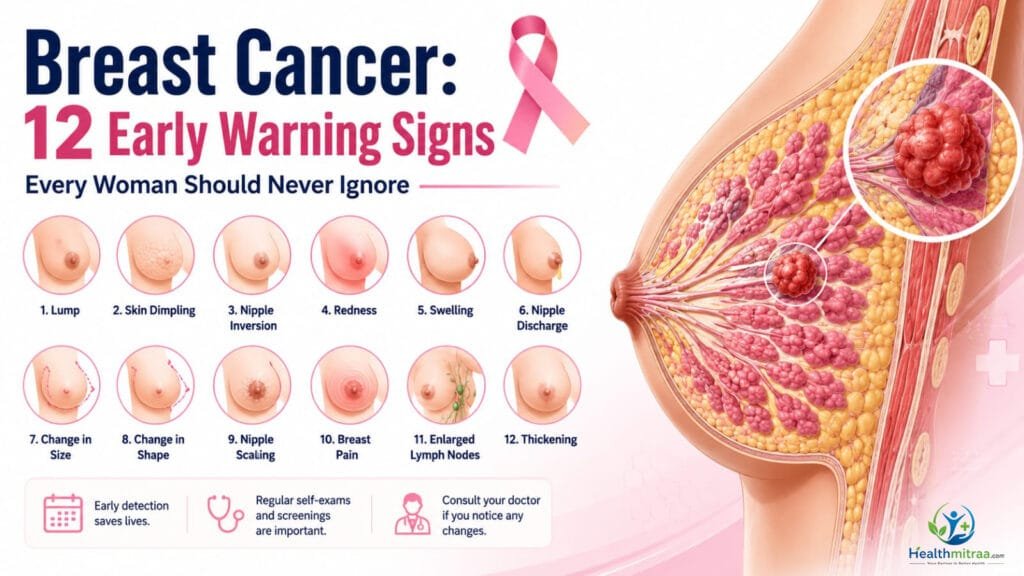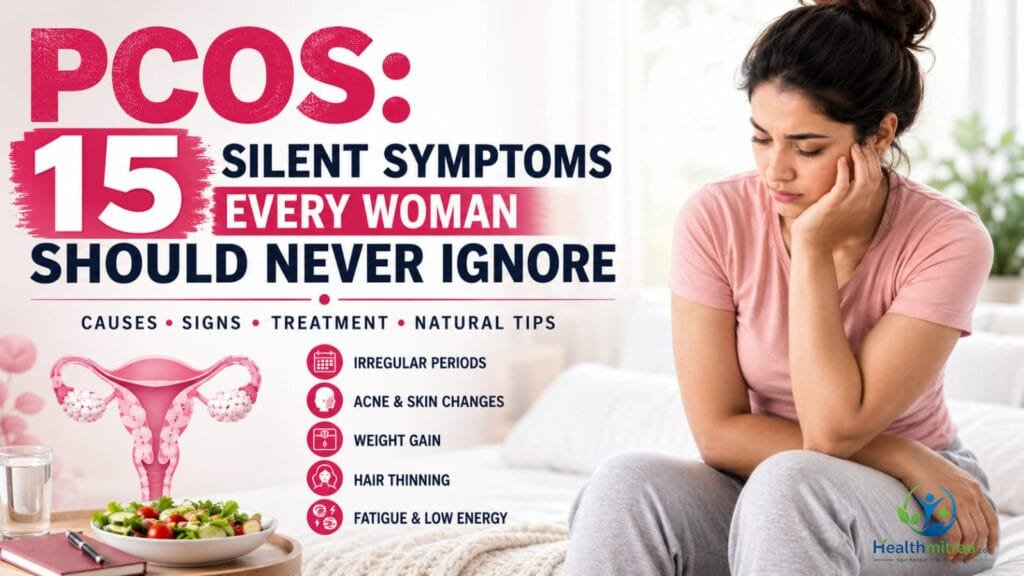
Polycystic Ovary Syndrome (PCOS) is one of the most common hormonal disorders affecting women of reproductive age, yet many symptoms often go unnoticed for years. From irregular periods and stubborn acne to weight gain and fertility challenges, PCOS can affect both physical and emotional well-being. Recognizing the early signs is the first step toward better health. In this guide, you’ll discover 15 silent symptoms of PCOS, along with expert-backed insights to help you understand when it’s time to seek medical advice.
What Is PCOS? Everything Every Woman Should Know
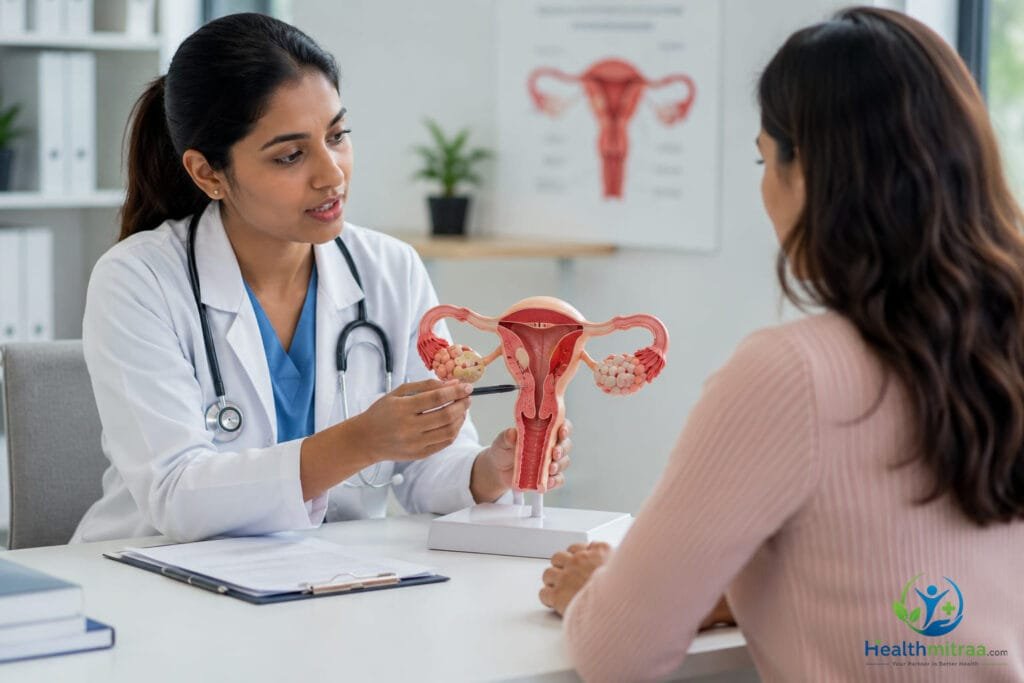
Polycystic Ovary Syndrome (PCOS) is a common hormonal condition that affects millions of women during their reproductive years. Despite its name, not every woman with PCOS develops ovarian cysts. Instead, the condition is linked to hormone imbalance, irregular ovulation, and higher-than-normal androgen levels. Over time, it can influence menstrual health, fertility, metabolism, skin, and emotional well-being.
Many women mistake the early symptoms for everyday health issues, delaying diagnosis and treatment. The good news is that timely medical care, healthy lifestyle changes, and the right treatment plan can help manage symptoms effectively and reduce the risk of long-term complications. Understanding how PCOS affects the body is the first step toward taking control of your health.
15 Silent Symptoms of PCOS Every Woman Should Never Ignore
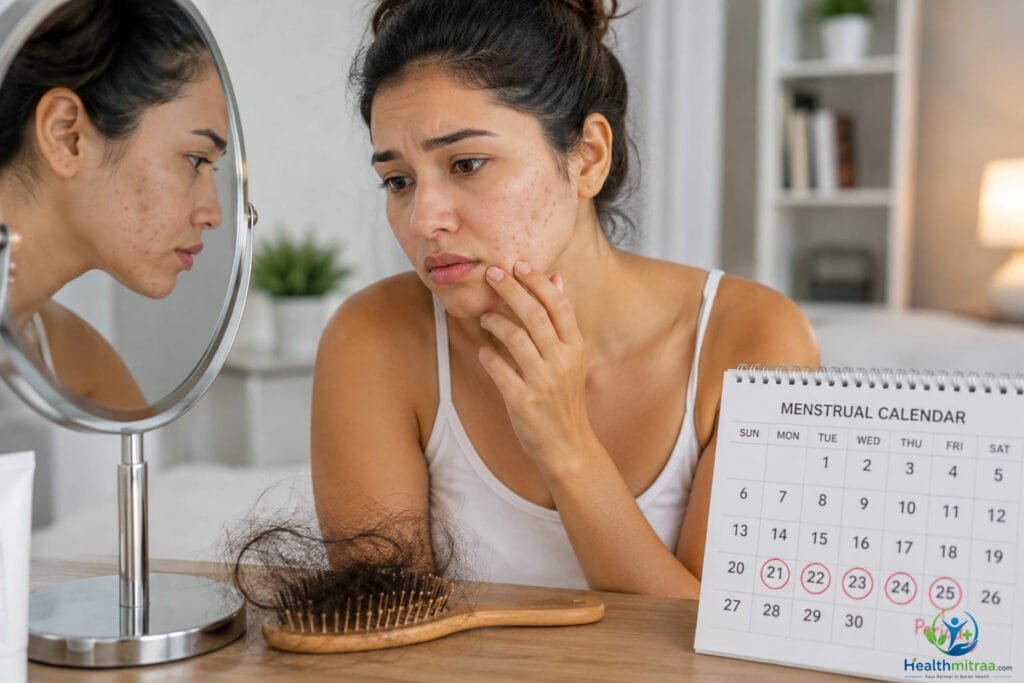
PCOS does not always begin with obvious warning signs. In many women, the symptoms develop gradually and are often mistaken for stress, poor diet, or normal hormonal changes. Paying attention to these early changes can help you seek medical advice sooner and reduce the risk of long-term complications.
1. Irregular or Missed Periods
One of the most common signs of PCOS is irregular menstrual cycles. Some women may have fewer than eight periods a year, while others may skip several months between cycles. This usually happens because ovulation does not occur regularly, making it difficult for the uterus to shed its lining on time.
2. Excess Facial or Body Hair (Hirsutism)
Unwanted hair growth on the face, chin, chest, abdomen, or back is another common symptom. Higher levels of androgens, often called male hormones, can stimulate excessive hair growth in areas where women typically have little or no visible hair.
3. Persistent Acne That Doesn’t Improve
Acne caused by hormonal imbalance often continues beyond the teenage years. Breakouts usually appear on the face, jawline, chest, or back and may not respond well to regular skincare products. Persistent adult acne can sometimes be an early clue that hormonal changes associated with PCOS are present.
4. Unexplained Weight Gain or Difficulty Losing Weight

Many women with PCOS notice gradual weight gain, especially around the abdomen, even without major changes in their eating habits. Others may find it unusually difficult to lose weight despite following a healthy diet and exercising regularly. This often happens because hormone imbalance and insulin resistance can slow the body’s ability to use energy efficiently.
5. Hair Thinning or Excessive Hair Loss
While some women experience unwanted hair growth, others notice thinning hair on the scalp. Hair may become noticeably finer around the crown or along the hairline. This pattern is linked to increased androgen levels and may become more noticeable over time if left untreated.
6. Dark Skin Patches and Skin Tags
Dark, velvety patches of skin, particularly around the neck, underarms, or groin, can be an early sign of insulin resistance associated with PCOS. Some women also develop small, soft skin tags in these areas. Although these changes are usually painless, they may indicate that the body’s blood sugar regulation is being affected and should be discussed with a healthcare professional.
7. Mood Swings, Anxiety, or Depression
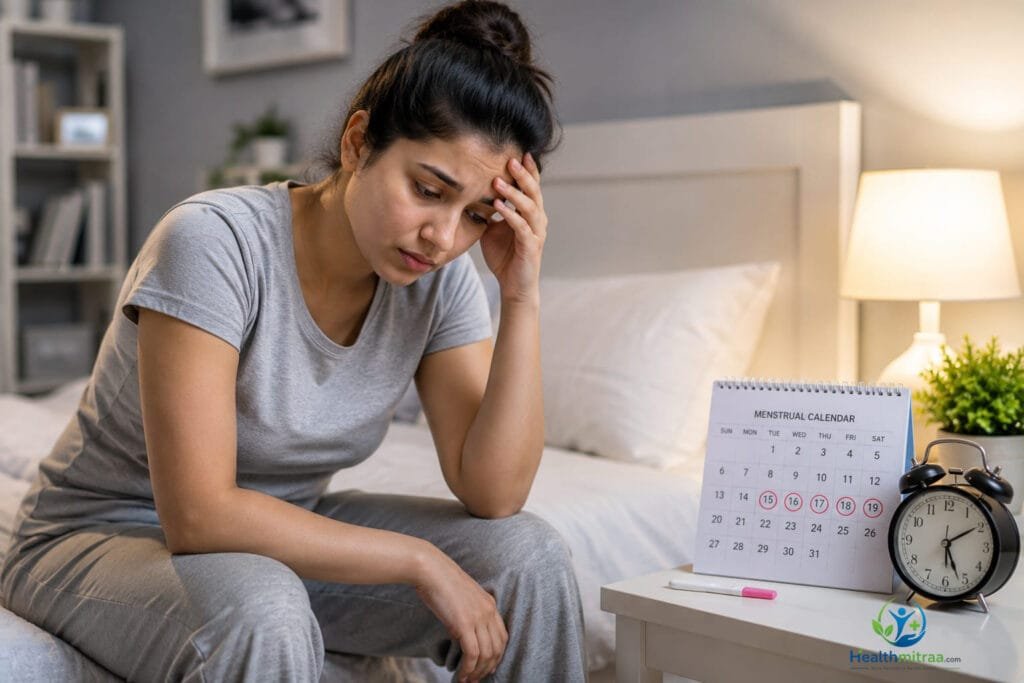
Hormonal changes associated with PCOS may affect emotional health as well as physical health. Some women experience frequent mood swings, increased anxiety, irritability, or symptoms of depression. While these feelings can have many causes, persistent emotional changes should never be ignored and deserve a conversation with a healthcare provider.
8. Trouble Getting Pregnant
Difficulty becoming pregnant is often one of the first reasons women seek medical advice. Irregular or absent ovulation can reduce the chances of natural conception. Although fertility challenges are common with PCOS, many women successfully become pregnant with appropriate treatment, lifestyle changes, and medical support.
9. Constant Fatigue or Low Energy
Feeling tired even after getting enough sleep can sometimes be linked to PCOS. Hormonal imbalance, insulin resistance, poor sleep quality, or other related conditions may contribute to ongoing fatigue. If low energy begins to interfere with daily life, it is important to identify the underlying cause rather than dismissing it as normal stress.
These symptoms do not always mean you have PCOS, but experiencing several of them together is a good reason to consult a qualified healthcare professional for proper evaluation and diagnosis.
What Causes PCOS? 8 Hidden Factors Behind the Condition
The exact cause of PCOS is still not fully understood. Instead of having a single trigger, experts believe the condition develops because several biological and genetic factors work together. Understanding these hidden causes can help women recognize their risk earlier and make informed decisions about their health.
1. Insulin Resistance
Insulin resistance is one of the most common factors linked to PCOS. When the body’s cells do not respond properly to insulin, the pancreas produces more of it. Higher insulin levels can stimulate the ovaries to produce excess androgens, which may disrupt ovulation and lead to symptoms such as irregular periods, acne, and unwanted hair growth.
2. Hormonal Imbalance
Women with PCOS often have higher-than-normal levels of androgens. These hormones can interfere with the normal development and release of eggs from the ovaries. As a result, ovulation may become irregular or stop altogether, making menstrual cycles unpredictable.
3. Genetics
Family history also plays an important role. If your mother, sister, or close female relative has PCOS, your chances of developing the condition may be higher. Although researchers have identified several genes that may contribute, no single gene is responsible. Instead, inherited genetic factors appear to increase susceptibility when combined with environmental and lifestyle influences.
Who Is Most at Risk? 10 PCOS Risk Factors Every Woman Should Know
Although PCOS can affect women from different backgrounds, certain factors may increase the likelihood of developing the condition. Having one or more of these risk factors does not guarantee that you will have PCOS, but it may make early screening and regular medical checkups more important.
- Family history: A mother, sister, or close female relative with PCOS can increase your risk.
- Insulin resistance: Higher insulin levels are strongly associated with hormonal imbalance.
- Overweight or obesity: Excess body weight may worsen symptoms and affect ovulation.
- Sedentary lifestyle: Limited physical activity can contribute to metabolic problems linked with PCOS.
- Unhealthy eating habits: Diets high in refined carbohydrates and added sugars may increase insulin resistance.
- Early menstrual irregularities: Irregular periods during adolescence that continue into adulthood may deserve medical evaluation.
- Type 2 diabetes or prediabetes: These conditions often share metabolic changes with PCOS.
- High androgen levels: Elevated male hormones can disrupt normal ovarian function.
- Sleep disorders: Poor sleep quality may worsen hormone regulation and insulin sensitivity.
- Ethnicity and genetics: Some populations appear to have a higher prevalence, suggesting both inherited and environmental influences.
Knowing these risk factors can encourage earlier diagnosis and timely treatment, helping reduce the chances of future complications and improving long-term reproductive and metabolic health.
How Is PCOS Diagnosed? Tests Doctors Commonly Recommend
There is no single test that can confirm PCOS. Instead, healthcare professionals evaluate your symptoms, medical history, and test results to rule out other conditions with similar signs. An early diagnosis can help prevent complications and improve long-term health outcomes.
Doctors commonly use the following methods to diagnose PCOS:
- Medical history: Questions about menstrual cycles, weight changes, acne, excessive hair growth, and family history.
- Physical examination: Assessment of body weight, blood pressure, skin changes, hair growth, and signs of hormonal imbalance.
- Blood tests: Hormone levels, blood sugar, insulin, cholesterol, and thyroid function may be checked to identify related conditions.
- Pelvic ultrasound: An ultrasound can help examine the ovaries and identify multiple small follicles while also evaluating ovarian size.
- Rotterdam criteria: Many healthcare providers diagnose PCOS when at least two of the following three are present:
- Irregular or absent ovulation
- Signs of excess androgens
- Polycystic ovaries on ultrasound
Because symptoms vary from woman to woman, a professional medical evaluation is essential for an accurate diagnosis and the most appropriate treatment plan.
Best PCOS Treatment Options: What Really Works?
There is no permanent cure for PCOS, but the condition can usually be managed successfully with the right combination of lifestyle changes, medical treatment, and regular follow-up. The best treatment depends on your symptoms, age, and whether you are planning a pregnancy.
Common treatment options include:
- Healthy lifestyle changes: A balanced diet, regular physical activity, quality sleep, and maintaining a healthy weight can improve hormone balance and reduce symptoms.
- Medications: Doctors may prescribe hormonal birth control pills to regulate menstrual cycles, medicines to improve insulin sensitivity, or medications that help reduce excess androgen levels. Treatment should always be taken under medical supervision.
- Fertility treatment: Women trying to conceive may benefit from medicines that stimulate ovulation. In some cases, assisted reproductive techniques may be recommended.
- Managing specific symptoms: Acne, unwanted hair growth, and scalp hair thinning can often be treated with appropriate medications or dermatological therapies.
Regular follow-up appointments are important because treatment plans may need to be adjusted over time. With early diagnosis, consistent lifestyle habits, and personalized medical care, many women with PCOS can successfully manage their symptoms and enjoy a healthy, active life.
Can PCOS Be Prevented? 10 Healthy Habits That Make a Difference
There is no guaranteed way to prevent PCOS because genetics and hormones play an important role. However, adopting healthy daily habits may reduce the severity of symptoms, improve hormone balance, and lower the risk of long-term complications such as type 2 diabetes and heart disease.
Here are 10 practical habits that can make a difference:
- Maintain a healthy body weight.
- Eat a balanced diet rich in vegetables, fruits, whole grains, and lean protein.
- Limit sugary drinks, processed foods, and refined carbohydrates.
- Exercise for at least 150 minutes each week.
- Get 7–9 hours of quality sleep every night.
- Manage stress through yoga, meditation, or deep breathing exercises.
- Avoid smoking and limit alcohol consumption.
- Schedule regular medical checkups, especially if you have irregular periods.
- Follow your prescribed treatment plan consistently if you have already been diagnosed.
- Pay attention to early symptoms and seek medical advice without delay.
While these habits cannot completely eliminate the risk of PCOS, they can support overall hormonal and metabolic health. Small, consistent lifestyle changes often have a greater long-term impact than drastic short-term measures, helping many women feel healthier and manage symptoms more effectively.
Living with PCOS: Long-Term Health Tips for Better Quality of Life
Being diagnosed with PCOS does not mean you cannot live a healthy and fulfilling life. Many women successfully manage their symptoms by making consistent lifestyle changes and working closely with their healthcare provider. The key is to focus on long-term health rather than looking for a quick fix.
Eating a balanced diet, staying physically active, getting enough sleep, and managing stress can help improve hormone balance and overall well-being. Regular follow-up appointments are also important to monitor your progress and adjust treatment when needed.
If you are planning a pregnancy, discussing your reproductive goals with your doctor can help you receive the right care at the right time. Likewise, women who are not trying to conceive should continue managing their symptoms to reduce the risk of future complications.
Remember, every woman’s experience with PCOS is different. A personalized treatment plan, combined with healthy daily habits, can help you control symptoms, improve your quality of life, and protect your long-term health.
When Should You See a Doctor for PCOS?
You should consult a healthcare professional if you have irregular or missed periods, difficulty becoming pregnant, persistent acne, excessive facial or body hair, unexplained weight gain, or ongoing hair thinning. These symptoms may indicate PCOS or another hormonal condition that requires medical evaluation.
Seek medical advice promptly if your symptoms are becoming more severe or affecting your daily life. Early diagnosis allows timely treatment, helping reduce the risk of complications such as infertility, type 2 diabetes, high blood pressure, and heart disease.
Remember, not every woman with these symptoms has PCOS. However, getting evaluated early can provide clarity, peace of mind, and access to the most effective treatment plan for your individual needs.
Frequently Asked Questions (FAQs)
Can PCOS be cured permanently?
There is currently no permanent cure, but symptoms can often be managed effectively through healthy lifestyle changes, appropriate medications, and regular medical care.
Can women with PCOS get pregnant?
Yes. Although PCOS can affect ovulation, many women conceive naturally or with fertility treatments recommended by their healthcare provider.
Does every woman with PCOS have ovarian cysts?
No. Despite the name, not all women with PCOS have ovarian cysts. Doctors diagnose the condition based on symptoms, hormone levels, and other clinical findings.
Can losing weight improve PCOS symptoms?
For women who are overweight, even modest weight loss may help improve hormone balance, regulate menstrual cycles, and increase the chances of ovulation.
Is PCOS a lifelong condition?
PCOS is generally considered a long-term hormonal disorder. However, with early diagnosis, healthy habits, and proper treatment, many women successfully control their symptoms and reduce the risk of future health complications.
Key Takeaways
PCOS is a common hormonal disorder that can affect menstrual health, fertility, metabolism, and emotional well-being. Because its symptoms often develop gradually, many women remain undiagnosed for years. Recognizing early warning signs, seeking timely medical advice, and following a personalized treatment plan can significantly improve long-term health.
Although there is no permanent cure, healthy lifestyle habits, regular checkups, and appropriate medical care can help manage symptoms effectively. If you notice persistent irregular periods, unexplained weight gain, acne, or excessive hair growth, don’t ignore these changes. Early diagnosis is the key to better symptom control, improved fertility outcomes, and a healthier future.
Related Articles You May Also Like
- How to Lose Belly Fat Naturally: 15 Proven Diet, Exercise & Lifestyle Tips
- Weight Loss: 15 Amazing Tips That Really Work
- Walking Benefits: 15 Powerful Reasons to Walk Every Day
- Exercise Benefits: 15 Amazing Health Benefits of Regular Exercise
- Sleep Hygiene: 15 Proven Habits for Better Sleep and Overall Health
Sources & References
Medical Disclaimer: This article is intended for informational and educational purposes only and should not be considered medical advice. It is not a substitute for professional diagnosis, treatment, or personalized healthcare recommendations. Always consult a qualified healthcare provider before making significant changes to your diet, exercise routine, or treatment plan, especially if you have an underlying medical condition or take prescription medications.