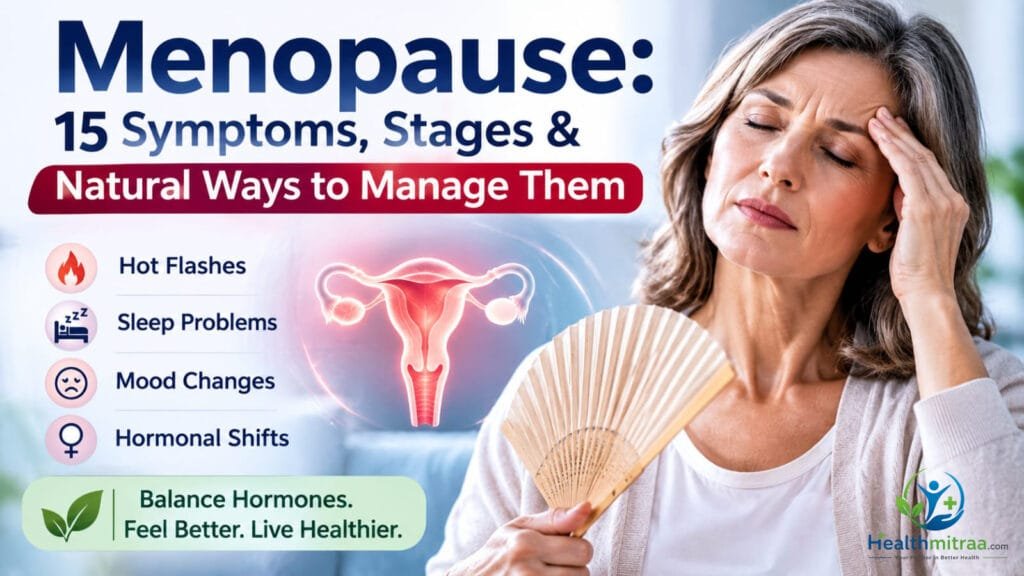
Menopause is a natural stage of life that marks the end of a woman’s reproductive years. While it is a normal biological process, the physical and emotional changes that come with menopause can sometimes feel overwhelming. Many women experience symptoms such as hot flashes, night sweats, mood swings, sleep problems, weight gain, and vaginal dryness, but the type and severity of symptoms vary from person to person.
The transition into menopause doesn’t happen overnight. It usually begins with perimenopause, a phase in which hormone levels fluctuate and menstrual periods become irregular. Menopause is officially diagnosed after 12 consecutive months without a menstrual period, followed by postmenopause, when symptoms may gradually improve, although some health risks can increase with age.
The good news is that menopause doesn’t have to limit your quality of life. Healthy lifestyle habits, balanced nutrition, regular exercise, stress management, and appropriate medical care can help you manage symptoms effectively and maintain overall well-being.
In this guide, you’ll learn about the 15 common symptoms of menopause, its stages, causes, diagnosis, evidence-based treatment options, and practical natural ways to manage symptoms so you can navigate this new chapter with confidence and better health.
What Is Menopause?
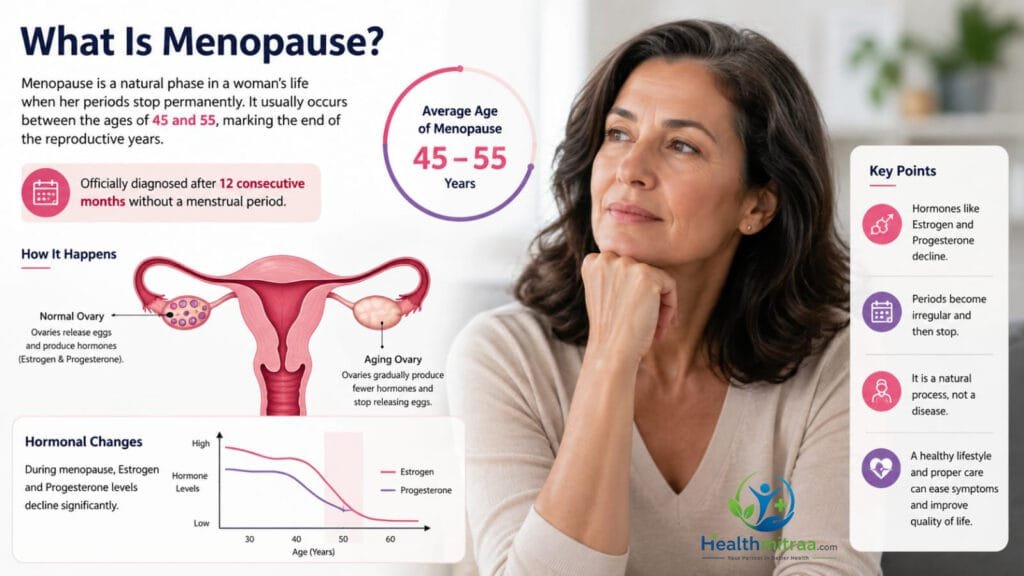
Menopause is the natural and permanent end of menstrual periods, marking the conclusion of a woman’s reproductive years. It is officially diagnosed when a woman has gone 12 consecutive months without a menstrual period, provided there is no other medical reason for the absence of periods. For most women, menopause occurs between the ages of 45 and 55, although the exact age varies from person to person.
The main reason menopause occurs is a gradual decline in the production of the hormones estrogen and progesterone by the ovaries. As hormone levels decrease, ovulation eventually stops, menstrual periods end, and the body adapts to this new hormonal balance.
It’s important to understand that menopause is not a disease but a normal biological stage of aging. However, hormonal changes can lead to symptoms such as hot flashes, sleep disturbances, mood changes, vaginal dryness, and reduced bone density. The severity and duration of these symptoms differ for every woman.
Understanding what menopause is—and why it happens—can help women prepare for this transition, recognize normal changes, and seek medical advice when symptoms begin to affect their quality of life.
The 3 Stages of Menopause:
It is not a single event—it is a gradual transition that occurs in three distinct stages. Understanding these stages can help women recognize normal hormonal changes and manage symptoms more effectively.
1. Perimenopause
Perimenopause is the transition phase leading up to menopause and may begin several years before the final menstrual period. During this time, estrogen levels fluctuate, causing symptoms such as irregular periods, hot flashes, mood swings, sleep disturbances, and occasional night sweats. Although fertility declines, pregnancy is still possible until it is confirmed.
2. Menopause
It is officially diagnosed after 12 consecutive months without a menstrual period. At this stage, the ovaries produce much lower levels of estrogen and progesterone, and monthly ovulation stops permanently. Many women experience their symptoms most noticeably during this period.
3. Postmenopause
Postmenopause begins after menopause and continues for the rest of a woman’s life. Hot flashes and other symptoms may gradually improve for many women, but lower estrogen levels can increase the risk of osteoporosis, heart disease, and vaginal dryness. Regular health checkups, a balanced diet, exercise, and healthy lifestyle habits become especially important during this stage.
15 Common Symptoms of Menopause Every Woman Should Know
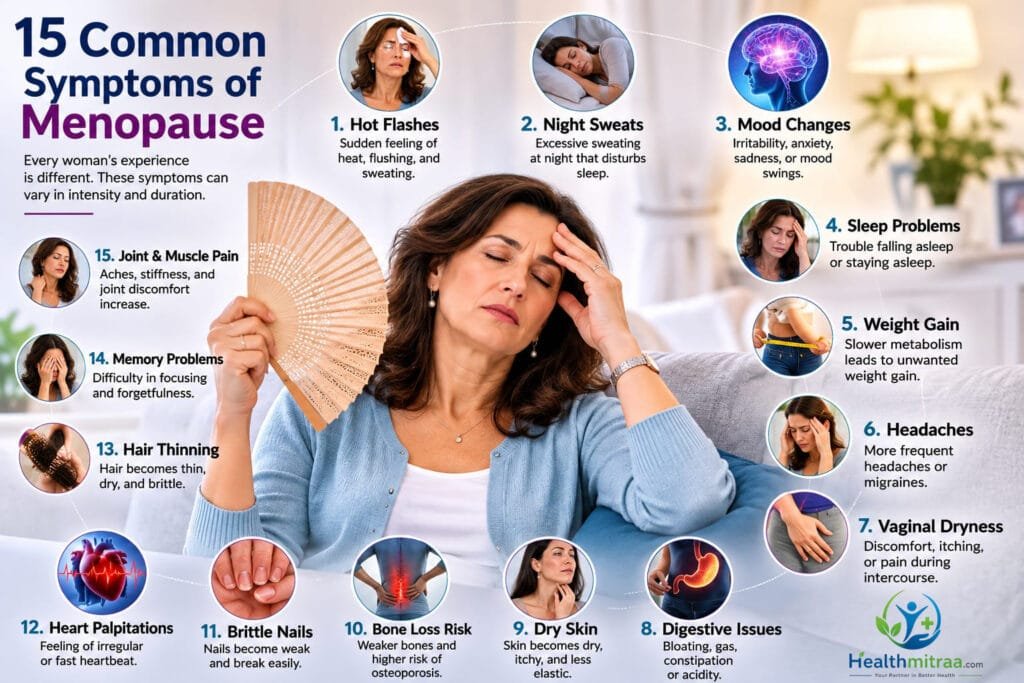
1. Hot Flashes
Hot flashes are one of the most common menopause symptoms. You may suddenly feel intense warmth spreading across your face, neck, and chest, often followed by sweating and skin flushing. Episodes can last from a few seconds to several minutes and may occur multiple times a day.
2. Night Sweats
Night sweats are hot flashes that occur during sleep. They can soak clothing or bedding, disrupt sleep, and leave you feeling tired the next day. Repeated sleep interruptions may affect mood, energy, and concentration.
3. Irregular Periods
As hormone levels fluctuate, menstrual cycles often become unpredictable. Periods may become lighter, heavier, shorter, longer, or occur less frequently before stopping completely. This is one of the earliest signs of the menopausal transition.
4. Mood Changes
Many women notice increased irritability, anxiety, emotional sensitivity, or mood swings during it. Hormonal changes, combined with poor sleep and daily stress, can contribute to these emotional changes.
5. Sleep Problems
Difficulty falling asleep, waking up frequently during the night, or waking too early are common during it. Poor sleep can also worsen fatigue, memory problems, and mood changes, making everyday activities more challenging.
6. Vaginal Dryness
Lower estrogen levels can reduce natural vaginal lubrication, leading to dryness, itching, irritation, or discomfort during sexual intercourse. These changes may also increase the risk of vaginal infections in some women.
7. Reduced Sex Drive
Some women notice a decrease in sexual desire during menopause. Hormonal changes, vaginal discomfort, poor sleep, stress, and mood changes can all contribute to a lower libido. Open communication with your partner and healthcare provider may help.
8. Weight Gain
Weight gain, especially around the abdomen, becomes more common during midlife. Hormonal changes, slower metabolism, and reduced muscle mass all play a role. Regular exercise and a balanced diet can help maintain a healthy weight.
9. Brain Fog and Memory Problems
Many women report occasional forgetfulness, difficulty concentrating, or feeling mentally “foggy” during menopause. These symptoms are usually temporary and may improve with good sleep, physical activity, and stress management.
10. Fatigue
Persistent tiredness or low energy is another common symptom. Poor sleep, night sweats, hormonal changes, and emotional stress can all contribute to fatigue, making it harder to stay active and productive throughout the day.
11. Joint and Muscle Pain
Many women experience aching joints, muscle stiffness, or general body discomfort during menopause. Declining estrogen levels may contribute to these symptoms, making regular stretching, strength training, and physical activity especially beneficial.
12. Dry Skin and Hair Changes
Lower estrogen levels can reduce the skin’s natural moisture and elasticity, leading to dry skin and increased fine lines. Hair may also become thinner, drier, or more prone to shedding. A balanced diet, proper hydration, and gentle skincare can help support healthy skin and hair.
13. Frequent Urination or Urinary Incontinence
Hormonal changes can weaken the tissues that support the bladder and urinary tract. As a result, some women may experience frequent urination, urgency, or leakage when coughing, sneezing, laughing, or exercising.
14. Headaches
Some women notice new headaches or changes in existing migraine patterns during menopause. Hormonal fluctuations are a common trigger, although stress, poor sleep, and dehydration may also contribute.
15. Reduced Bone Density
After menopause, lower estrogen levels can speed up bone loss, increasing the risk of osteoporosis and fractures over time. Eating calcium-rich foods, getting enough vitamin D, performing weight-bearing exercise, and following your healthcare provider’s recommendations can help maintain strong bones.
Important: Every woman experiences menopause differently. Some have only mild symptoms, while others may experience several symptoms that affect daily life. If symptoms become severe or interfere with your quality of life, consult a qualified healthcare professional for personalized advice and treatment.
What Causes Menopause?
The primary reason for menopause is the natural aging process. As women grow older, the ovaries gradually produce less estrogen and progesterone—the hormones responsible for regulating the menstrual cycle and supporting fertility. Over time, ovulation becomes less frequent, menstrual periods become irregular, and eventually stop altogether.
Although natural aging is the most common cause, this transition can also occur earlier than expected. Early menopause may result from certain medical treatments, such as chemotherapy or radiation therapy, surgical removal of both ovaries, or, in rare cases, autoimmune disorders and genetic conditions. Some women experience premature menopause, which occurs before the age of 40 and usually requires medical evaluation.
The hormonal changes that accompany this stage are responsible for many common symptoms, including hot flashes, night sweats, mood changes, vaginal dryness, and sleep disturbances. The severity and duration of these changes vary widely from one woman to another.
Understanding what causes these hormonal shifts can help women recognize that many symptoms are a normal part of this life stage while also knowing when professional medical advice may be needed.
Risk Factors: Who Is More Likely to Experience Early Menopause?
Although this transition is a natural part of aging, some women may experience it earlier than expected. Several factors can increase the likelihood of early menopause or make symptoms more noticeable.
Age is the strongest risk factor, as ovarian function naturally declines over time. A family history of early menopause may also increase the chances of experiencing it at a younger age. Women who smoke are more likely to reach this stage earlier because tobacco can affect ovarian function and reduce estrogen levels.
Certain medical treatments, including chemotherapy, pelvic radiation therapy, or surgery to remove both ovaries, can trigger an earlier hormonal transition. In some cases, autoimmune diseases or rare genetic conditions may also contribute.
While not all risk factors can be changed, adopting healthy habits may help support overall well-being. Avoiding smoking, maintaining a healthy weight, exercising regularly, eating a nutrient-rich diet, and attending routine health checkups can help women manage hormonal changes more effectively and protect long-term bone and heart health.
How Is Menopause Diagnosed?
In most cases, menopause is diagnosed based on a woman’s age, medical history, menstrual pattern, and symptoms. If you have gone 12 consecutive months without a menstrual period and there is no other medical explanation, menopause is usually confirmed without the need for extensive testing.
Your healthcare provider may ask about changes in your menstrual cycle, hot flashes, sleep quality, mood, vaginal symptoms, and overall health. A physical examination may also be performed to rule out other conditions that can cause similar symptoms.
Blood tests are not routinely required for every woman. However, they may be recommended if menopause occurs before the age of 45, symptoms are unusual, or another medical condition is suspected. Depending on the situation, your doctor may order tests such as follicle-stimulating hormone (FSH), estradiol, or thyroid function tests to help evaluate hormonal changes and exclude other possible causes.
An accurate diagnosis is important because symptoms similar to menopause can sometimes result from thyroid disorders, pregnancy, certain medications, or other health conditions. Consulting a qualified healthcare professional ensures appropriate evaluation and personalized guidance.
12 Natural Ways to Manage Menopause Symptoms
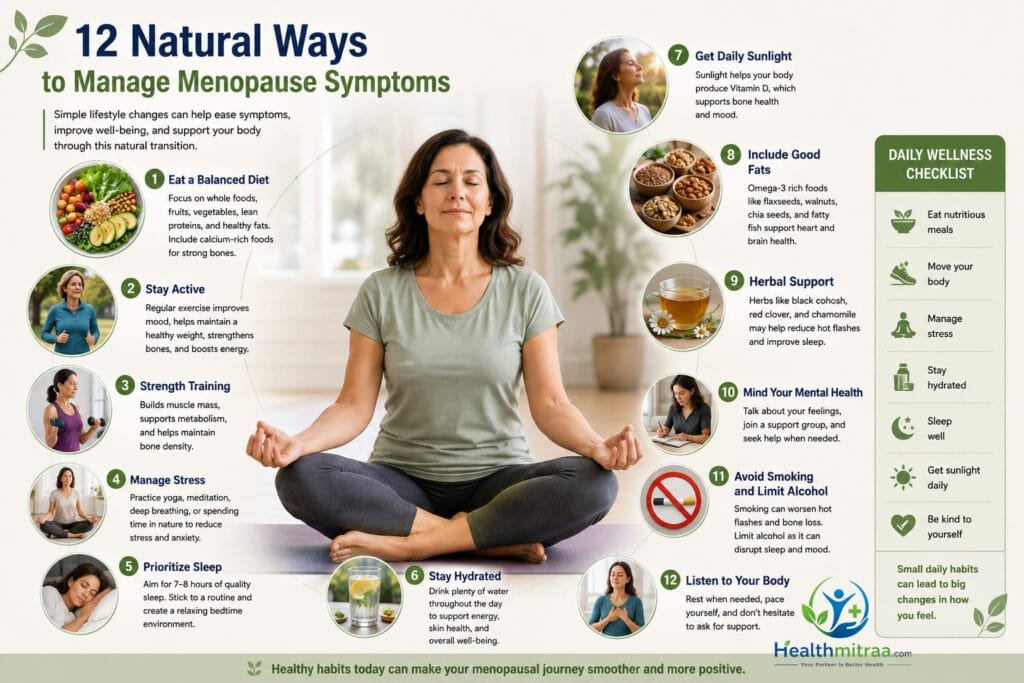
Although menopause is a natural stage of life, healthy daily habits can make a significant difference in managing symptoms and improving overall well-being. While these strategies may not eliminate every symptom, many women find meaningful relief by making simple lifestyle changes.
1. Eat a Balanced Diet
Include plenty of fruits, vegetables, whole grains, lean protein, and healthy fats. Calcium- and vitamin D-rich foods help support bone health.
2. Exercise Regularly
Aim for at least 150 minutes of moderate physical activity each week, along with strength-training exercises to maintain muscle and bone strength.
3. Maintain a Healthy Weight
A healthy weight may help reduce hot flashes and lower the risk of heart disease and type 2 diabetes.
4. Prioritize Quality Sleep
Keep a regular sleep schedule, avoid caffeine late in the day, and create a cool, comfortable sleeping environment.
5. Manage Stress
Deep breathing, yoga, meditation, and mindfulness techniques can help reduce stress and improve emotional well-being.
6. Stay Hydrated
Drinking enough water may help with dry skin, bloating, and overall health.
7. Limit Hot Flash Triggers
Some women notice that spicy foods, alcohol, hot drinks, or smoking can trigger symptoms. Identifying personal triggers may help.
8. Avoid Smoking
Smoking can worsen symptoms and increase the risk of osteoporosis and cardiovascular disease.
9. Limit Alcohol and Caffeine
Reducing alcohol and excessive caffeine may improve sleep quality and reduce hot flashes in some women.
10. Strengthen Your Bones
Weight-bearing exercise and adequate calcium and vitamin D intake support long-term bone health.
11. Stay Socially Connected
Talking with family, friends, or support groups can improve emotional health and reduce feelings of isolation.
12. Schedule Regular Health Checkups
Routine medical visits help monitor bone health, heart health, and overall wellness while providing personalized guidance for symptom management.
Medical Treatment Options: Hormone Therapy & Other Treatments
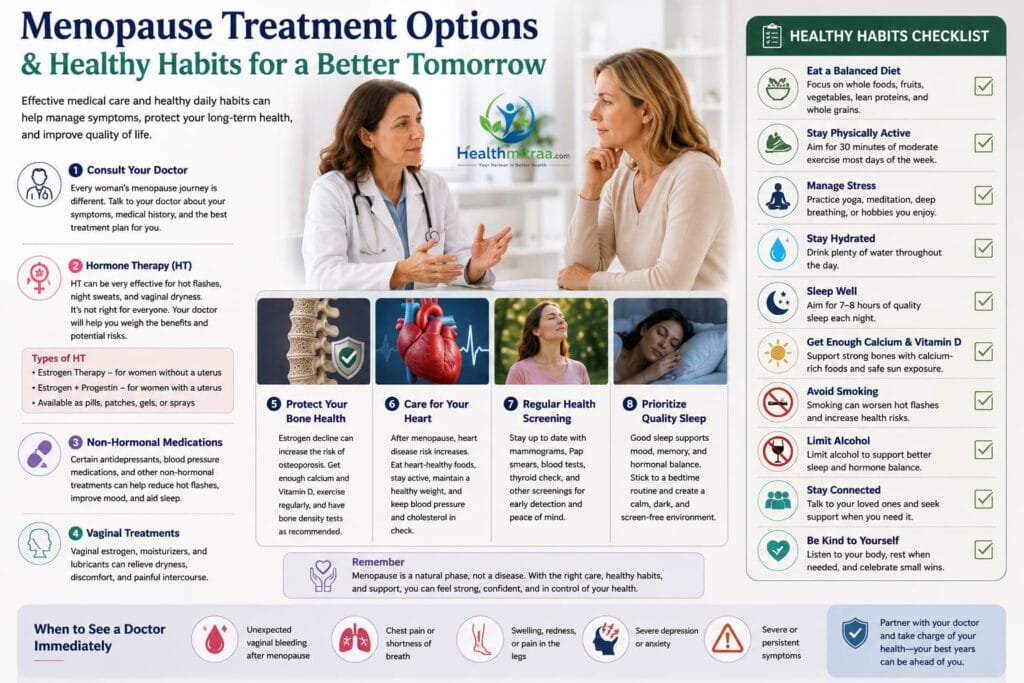
For women whose symptoms are moderate to severe and significantly affect daily life, medical treatment may be considered. The most appropriate option depends on your age, overall health, medical history, and the type and severity of your symptoms. Treatment should always be discussed with a qualified healthcare professional.
Menopausal hormone therapy (MHT)—previously called hormone replacement therapy (HRT)—is one of the most effective treatments for relieving hot flashes, night sweats, and vaginal dryness. However, it is not suitable for everyone. Before starting hormone therapy, your healthcare provider will carefully evaluate its potential benefits and risks based on your individual health profile.
Women who cannot use hormone therapy may benefit from non-hormonal prescription medications to help manage specific symptoms, such as hot flashes or mood changes. For vaginal dryness and discomfort, vaginal moisturizers, lubricants, or low-dose vaginal estrogen may be recommended when appropriate.
Because every woman’s experience is different, self-medicating is not recommended. A personalized treatment plan, regular follow-up, and healthy lifestyle habits can help manage symptoms safely and improve overall quality of life.
When Should You See a Doctor?
Many women experience mild symptoms that can be managed with healthy lifestyle changes. However, you should seek medical advice if symptoms become severe, persist for a long time, or begin to interfere with your daily activities, work, relationships, or sleep.
Schedule an appointment if you have very heavy or prolonged vaginal bleeding, bleeding after menopause has been confirmed, severe hot flashes, persistent sleep problems, significant mood changes, symptoms of depression, painful intercourse, or ongoing vaginal dryness that does not improve with self-care measures.
You should also speak with your healthcare provider if you experience this transition before the age of 40, as premature menopause requires proper medical evaluation and may increase the risk of osteoporosis and cardiovascular disease.
Regular health checkups remain important after menopause. Your healthcare provider may recommend screening for bone health, heart health, breast cancer, cervical cancer, and other age-related conditions based on your age, medical history, and individual risk factors. Early medical guidance can help you manage symptoms effectively and protect your long-term health.
Frequently Asked Questions About Menopause
1. At what age does menopause usually begin?
Most women experience menopause between the ages of 45 and 55, with the average age being around 51 years. However, the timing varies from person to person.
2. Can I get pregnant during perimenopause?
Yes. Pregnancy is still possible as long as ovulation continues, even if your periods become irregular. If you do not wish to become pregnant, continue using contraception until your healthcare provider advises it is no longer necessary.
3. How long do menopause symptoms last?
Symptoms may last for a few years, but the duration varies widely. Some women experience mild symptoms for a short time, while others may have hot flashes or sleep disturbances for several years.
4. Is hormone therapy safe?
Hormone therapy can be an effective treatment for some women, but it is not suitable for everyone. The decision to use it should be made with a qualified healthcare professional after considering your medical history, benefits, and potential risks.
5. Can lifestyle changes really help?
Yes. A balanced diet, regular exercise, adequate sleep, stress management, and avoiding smoking can help reduce symptoms and support long-term bone and heart health. Although lifestyle changes may not eliminate every symptom, they play an important role in improving overall well-being.
Bonus Section
Expert Tips
- Wear lightweight, breathable clothing and keep your bedroom cool to help reduce hot flashes and night sweats.
- Include strength training, walking, and calcium- and vitamin D-rich foods in your routine to support healthy bones.
- Don’t ignore persistent symptoms. Regular medical checkups can help protect your bone, heart, and overall health after menopause.
Did You Know?
Most women reach menopause between the ages of 45 and 55, but the experience is unique for everyone. While some women have only mild symptoms, others may experience noticeable physical and emotional changes for several years. Healthy lifestyle habits and early medical guidance can make this transition much more manageable.
Menopause Symptom Self-Assessment
- □ Are your periods becoming irregular?
- □ Do you experience frequent hot flashes or night sweats?
- □ Are sleep problems affecting your daily life?
- □ Have you noticed mood changes or increased irritability?
- □ Do vaginal dryness or discomfort affect your quality of life?
If you answered “Yes” to two or more questions, discuss your symptoms with a qualified healthcare professional. This checklist is not a diagnostic tool.
Healthy Habits Checklist
- ✅ Eat a balanced diet
- ✅ Exercise regularly
- ✅ Get enough sleep
- ✅ Avoid smoking
- ✅ Schedule routine health checkups
Myth vs. Fact
| Myth | Fact |
|---|---|
| Menopause is a disease. | It is a natural stage of aging, not a disease. |
| Every woman has severe symptoms. | Symptoms vary widely from one woman to another. |
| Nothing can help manage symptoms. | Healthy habits and appropriate medical care can provide significant relief. |
Key Takeaways
- Menopause is a natural stage of aging that marks the end of menstrual periods and fertility.
- The transition occurs in three stages: perimenopause, menopause, and postmenopause.
- Hot flashes, night sweats, sleep problems, and mood changes are among the most common symptoms.
- Healthy lifestyle habits, regular exercise, balanced nutrition, and stress management can help relieve many symptoms.
- Seek medical advice if symptoms are severe, menopause occurs before age 40, or abnormal bleeding develops after menopause.
Conclusion
Menopause is a natural life transition, not a disease. Although hormonal changes can bring challenges such as hot flashes, sleep problems, and mood changes, most symptoms can be managed successfully with healthy lifestyle habits, regular physical activity, balanced nutrition, and appropriate medical care. Understanding the stages, recognizing common symptoms, and seeking timely medical advice when needed can help you navigate this phase with confidence. With the right knowledge and support, women can continue to lead active, healthy, and fulfilling lives after menopause.
External References
- World Health Organization (WHO) – Menopause
- Mayo Clinic – Menopause
- National Institute on Aging (NIA) – What Is Menopause?
- American College of Obstetricians and Gynecologists (ACOG) – The Menopause Years
- NHS – Menopause
Related Articles
- Healthy Morning Routine: 15 Simple Habits That Can Transform Your Health
- Boost Your Immune System Naturally: 15 Proven Habits That Really Work
- Meditation Benefits: 15 Proven Reasons to Meditate Every Day
- Cervical Cancer: 12 Early Warning Signs, HPV, Screening & Prevention
- Breast Cancer: 12 Early Warning Signs You Should Never Ignore
- PCOS: Symptoms, Causes, Diagnosis & Treatment
Medical Disclaimer: This article is for educational purposes only and is not a substitute for professional medical advice, diagnosis, or treatment. Always consult a qualified healthcare professional for personalized medical guidance.