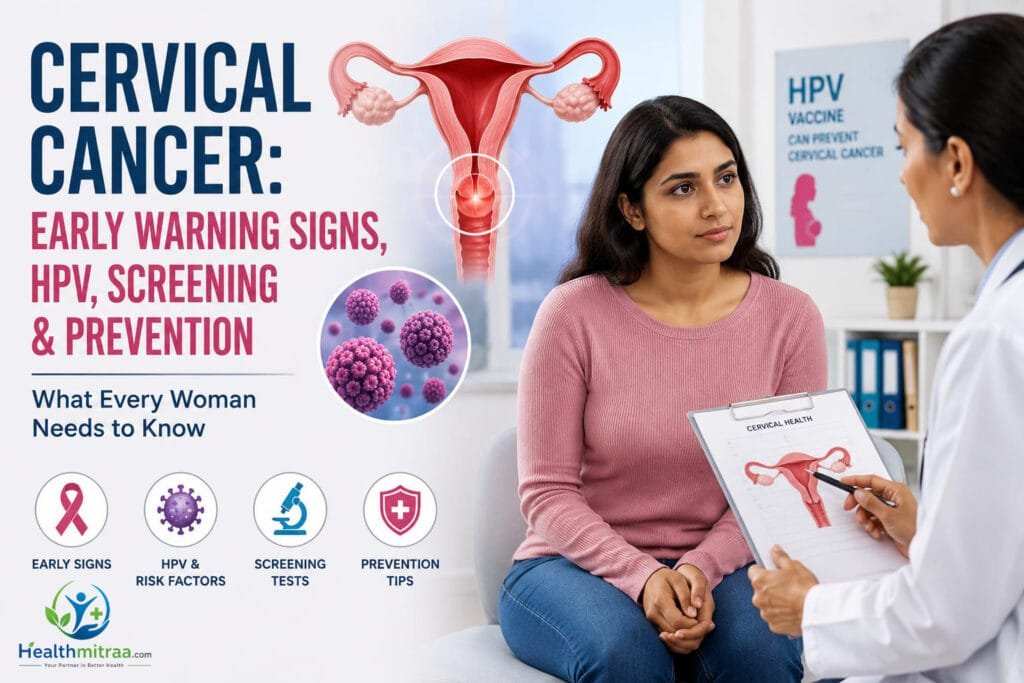
Cervical cancer is one of the most common cancers affecting women worldwide, but it is also one of the most preventable when detected early. In many cases, cervical cancer develops slowly over several years, often beginning with abnormal changes in the cells of the cervix caused by persistent infection with certain types of human papillomavirus (HPV). Because the disease may not cause noticeable symptoms in its early stages, many women remain unaware until it has progressed.
Learning the early warning signs of cervical cancer, understanding the role of HPV, and staying up to date with Pap smear and HPV screening can significantly improve the chances of early diagnosis and successful treatment. In this evidence-based guide, you’ll discover the 12 early warning signs of cervical cancer, common risk factors, screening recommendations, prevention strategies, treatment options, and when it’s important to seek medical care.
What Is Cervical Cancer?
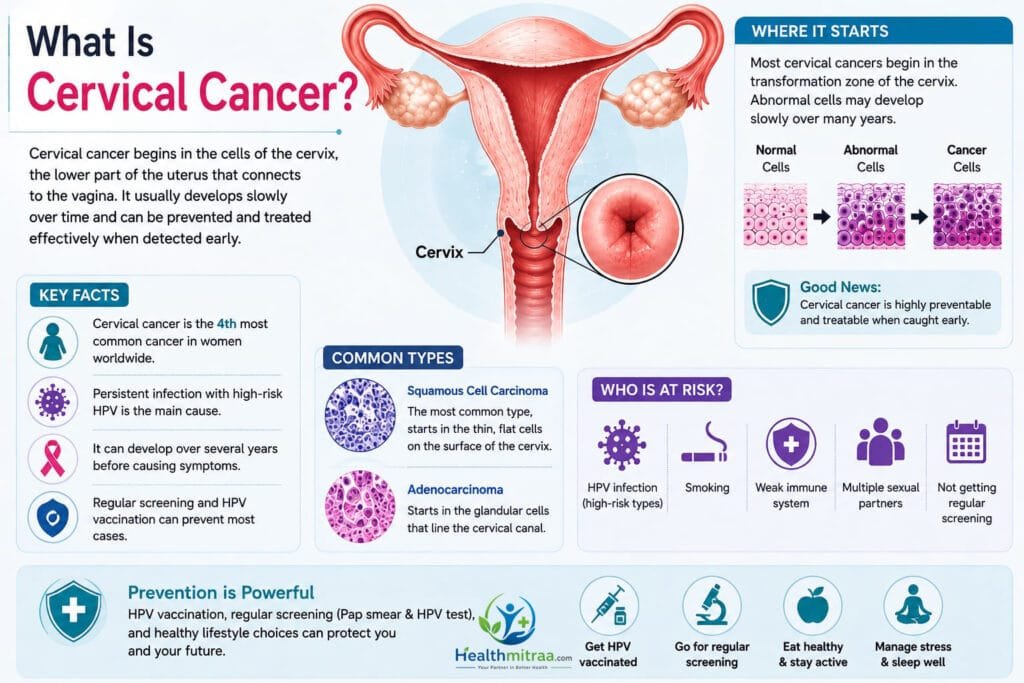
This cancer is a type of cancer that begins in the cells of the cervix, the lower part of the uterus that connects to the vagina. It usually develops gradually, often starting with abnormal cell changes known as precancerous lesions. Without timely detection and treatment, these abnormal cells can eventually become cancerous.
The leading cause of cervical cancer is a persistent infection with high-risk types of human papillomavirus (HPV), a common virus spread through sexual contact. Although most HPV infections clear on their own, some high-risk strains can remain in the body for years and increase the risk of cervical cancer.
The good news is that this condition is largely preventable. Regular Pap smear and HPV screening tests can detect abnormal cervical cells before they turn into cancer, while the HPV vaccine helps protect against the virus responsible for most this disease cases. Understanding how cervical cancer develops is the first step toward recognizing its warning signs and protecting your long-term health.
12 Early Warning Signs of Cervical Cancer
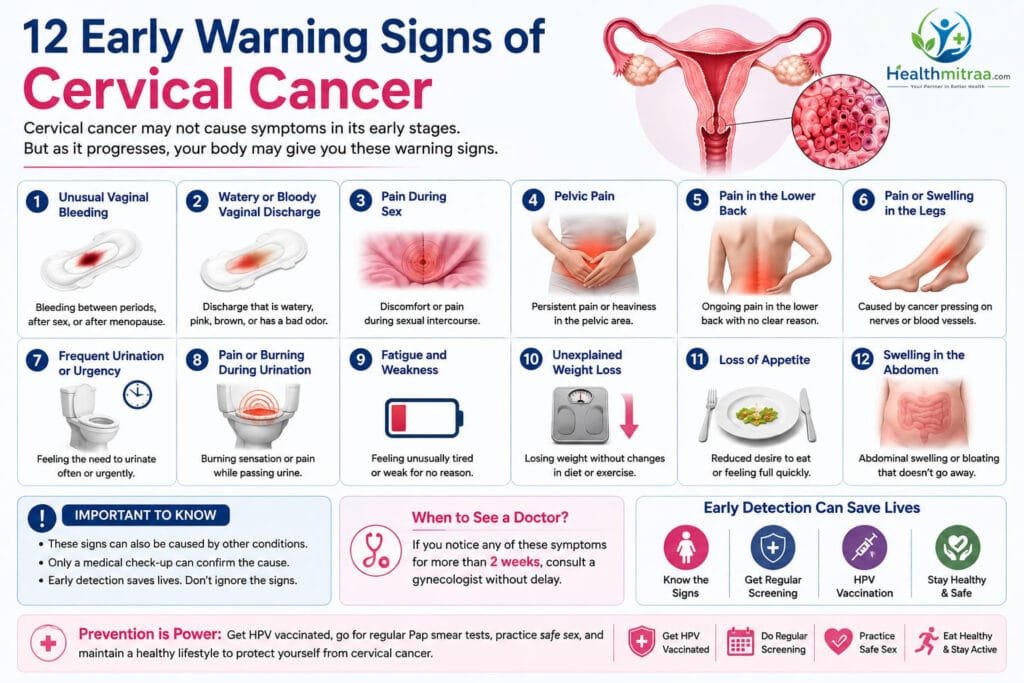
1. Unusual Vaginal Bleeding
One of the most common early signs of this disease is vaginal bleeding that occurs outside your normal menstrual cycle. This may include bleeding after sexual intercourse, between periods, or after menopause. Although many non-cancerous conditions can also cause abnormal bleeding, it should never be ignored and always deserves medical evaluation.
2. Unusual Vaginal Discharge
A persistent vaginal discharge that is watery, bloody, foul-smelling, or different from your usual discharge may be an early warning sign. While infections are a more common cause, ongoing abnormal discharge should be assessed by a healthcare professional, especially if it occurs with other symptoms.
3. Pain During Sexual Intercourse
Some women with this cancer experience pain or discomfort during sexual intercourse. This symptom may develop when abnormal changes affect the cervix. Because painful intercourse can have many possible causes, it’s important to seek medical advice if the problem continues.
4. Persistent Pelvic Pain
Pelvic pain that lasts for weeks or keeps returning without an obvious explanation may require further investigation. Although pelvic pain is often caused by conditions other than this cancer, persistent or worsening pain—particularly when combined with abnormal bleeding or discharge—should be evaluated promptly. Early diagnosis offers the best chance for successful treatment.
5. Pain While Urinating
As cervical cancer progresses, some women may experience pain, burning, or discomfort while urinating. Although urinary tract infections are a far more common cause, persistent symptoms—especially when accompanied by abnormal vaginal bleeding or pelvic pain—should be evaluated by a healthcare professional.
6. Blood in the Urine
Seeing blood in your urine is never considered normal. While kidney stones, urinary tract infections, or other urinary conditions are more common causes, blood in the urine can occasionally be associated with advanced cervical cancer. Prompt medical evaluation is important to identify the underlying cause.
7. Lower Back Pain
Persistent lower back pain that does not improve with rest or routine treatment may sometimes be linked to cervical cancer, particularly if it occurs along with other warning signs. Because back pain has many possible causes, it should not be ignored when accompanied by unusual vaginal symptoms.
8. Pain or Swelling in the Legs
Some women with advanced cervical cancer may develop swelling, heaviness, or pain in one or both legs if the tumor affects nearby lymph nodes or blood vessels. Although this symptom is less common in the early stages, unexplained leg swelling or persistent pain should always be assessed by a healthcare professional, especially when combined with other concerning symptoms.
9. Unexplained Weight Loss
Losing weight without changing your diet or exercise routine can sometimes be a warning sign of a serious medical condition, including advanced cervical cancer. If unexplained weight loss occurs along with persistent fatigue, abnormal bleeding, or pelvic pain, it should be evaluated by a healthcare professional.
10. Constant Fatigue
Feeling unusually tired even after getting enough rest may occur when the body is fighting a serious illness. Although fatigue has many possible causes, ongoing exhaustion combined with other symptoms of cervical cancer should not be ignored.
11. Loss of Appetite
A reduced appetite that lasts for several weeks, especially when accompanied by unintended weight loss or other concerning symptoms, may require medical assessment. While loss of appetite is not specific to cervical cancer, it can occur as the disease progresses.
12. Changes in Bowel or Bladder Habits
Advanced cervical cancer may sometimes affect nearby organs, leading to persistent constipation, difficulty passing urine, frequent urination, or changes in normal bowel habits. These symptoms can also result from many non-cancerous conditions, but they should be investigated if they are new, persistent, or occur alongside abnormal vaginal bleeding, discharge, or pelvic pain.
Important: Most of these symptoms are not specific to cervical cancer and are more commonly caused by other conditions. However, if any symptom persists, worsens, or occurs together with abnormal vaginal bleeding, seek medical evaluation promptly. Early detection greatly improves treatment outcomes.
What Causes Cervical Cancer? (HPV Explained)
The primary cause of cervical cancer is a persistent infection with high-risk types of human papillomavirus (HPV). HPV is one of the most common sexually transmitted viruses, and most sexually active people are exposed to it at some point in their lives. In the majority of cases, the immune system clears the virus naturally within one to two years without causing any health problems.
However, in some women, high-risk HPV types—particularly HPV 16 and HPV 18—remain in the body for many years. Persistent infection can gradually cause abnormal changes in the cells of the cervix. If these precancerous changes are not detected and treated through regular screening, they may eventually develop into cervical cancer.
It’s important to understand that having HPV does not mean you will develop cervical cancer. Most HPV infections never progress to cancer. Regular Pap smear and HPV tests can detect abnormal cervical cells early, often before cancer develops. In addition, the HPV vaccine provides effective protection against the most common high-risk HPV types and is an important tool for cervical cancer prevention. Combining vaccination with routine screening offers the best protection against this highly preventable disease.
Risk Factors for Cervical Cancer
While a persistent infection with high-risk HPV is the leading cause of cervical cancer, several other factors can increase the likelihood of developing the disease. Having one or more risk factors does not mean you will definitely develop cervical cancer, but it may increase your risk.
Women who have long-lasting HPV infection, start sexual activity at an early age, have multiple sexual partners, or have a weakened immune system are generally at higher risk. Smoking is another important risk factor because harmful chemicals in tobacco can damage cervical cells and make it harder for the body to clear HPV infection. Long-term use of certain oral contraceptives, giving birth to multiple children, and a family history of cervical cancer may also contribute to a slightly higher risk in some women.
The good news is that many of these risks can be reduced. Getting the HPV vaccine, avoiding tobacco, practicing safer sex, and attending regular Pap smear and HPV screening appointments are among the most effective ways to lower your risk. Early detection of abnormal cervical cells allows treatment before cancer develops, making prevention a key part of women’s health.
Cervical Cancer Screening: Pap Smear & HPV Test
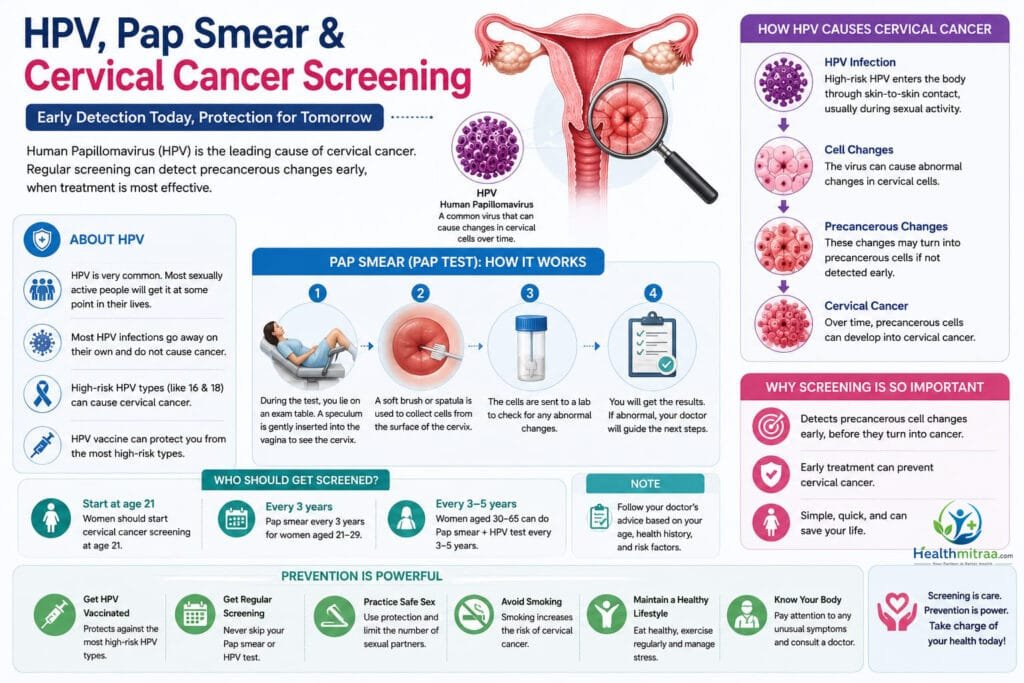
Regular screening is one of the most effective ways to prevent cervical cancer because it can detect abnormal cervical cell changes before they become cancerous. The two main screening tests are the Pap smear (Pap test) and the HPV test. Although these tests are related, they serve different purposes and are often used together depending on your age and individual risk factors.
A Pap smear checks for abnormal or precancerous cells on the cervix. If these changes are found early, treatment can often prevent cervical cancer from developing. An HPV test, on the other hand, looks for high-risk types of human papillomavirus that are known to increase the risk of cervical cancer. Detecting persistent high-risk HPV infection helps identify women who may need closer follow-up or additional testing.
Screening recommendations vary by age, medical history, and national guidelines. Most women should begin cervical cancer screening in early adulthood and continue at recommended intervals. Your healthcare provider can advise which test is appropriate for you.
Even if you’ve received the HPV vaccine, regular screening remains important because the vaccine does not protect against every cancer-causing HPV type. Combining vaccination with routine Pap smear and HPV testing offers the best protection through early detection and prevention.
How to Prevent Cervical Cancer
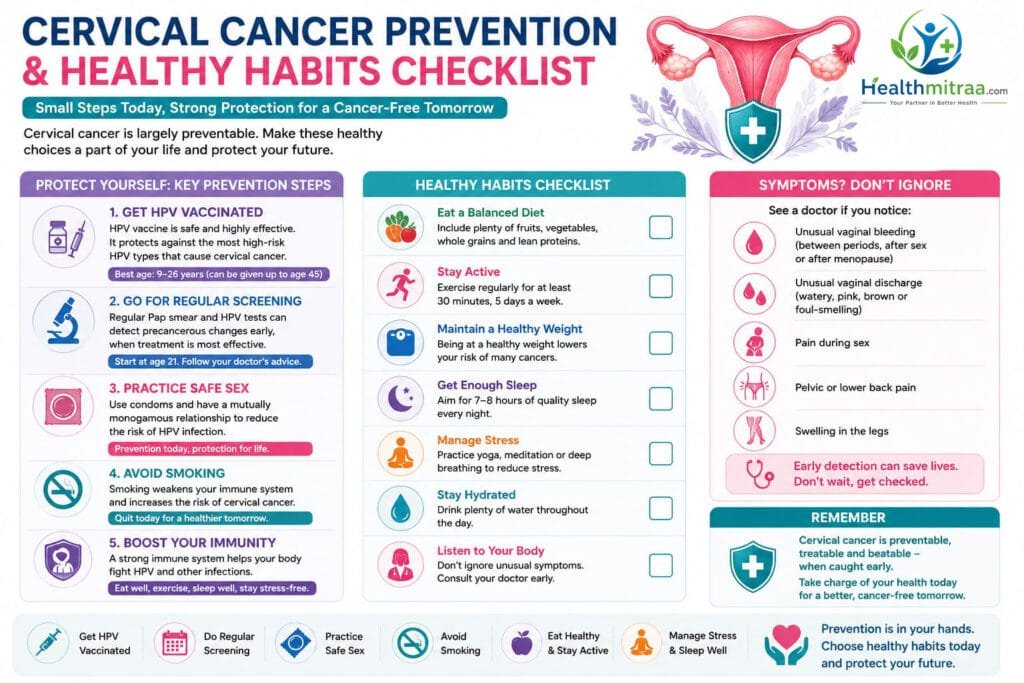
The good news is that cervical cancer is one of the most preventable types of cancer. The most effective way to reduce your risk is to receive the HPV vaccine, which protects against the high-risk HPV types responsible for most cervical cancer cases. Vaccination is most effective before exposure to HPV, but some adults may also benefit depending on their age and individual circumstances.
Routine Pap smear and HPV screening are equally important because they can detect abnormal cervical cell changes long before cancer develops. Following your healthcare provider’s recommended screening schedule greatly improves the chances of early detection and successful treatment.
Practicing safer sex by using barrier protection and limiting exposure to HPV may also help reduce risk. Avoiding smoking is another important preventive step, as tobacco use can make it harder for the immune system to clear HPV infections. Maintaining a healthy lifestyle with a balanced diet, regular physical activity, adequate sleep, and stress management supports overall immune health, although these habits cannot replace vaccination or screening.
By combining HPV vaccination, regular cervical cancer screening, and healthy lifestyle choices, most cases of cervical cancer can either be prevented or detected at a highly treatable stage.
When Should You See a Doctor?
You should schedule a medical evaluation if you experience abnormal vaginal bleeding, bleeding after sexual intercourse, bleeding after menopause, persistent unusual vaginal discharge, ongoing pelvic pain, or pain during intercourse. Although these symptoms are often caused by conditions other than cervical cancer, they should never be ignored—especially if they continue for more than a few weeks or become worse over time.
Seek prompt medical attention if you develop severe pelvic pain, heavy vaginal bleeding, unexplained weight loss, persistent fatigue, or changes in bladder or bowel habits along with other concerning symptoms. Early evaluation allows healthcare professionals to identify the cause and begin appropriate treatment if needed.
Even if you feel completely healthy, don’t skip your routine Pap smear and HPV screening appointments. Cervical cancer often develops without noticeable symptoms in its early stages, making regular screening one of the most important ways to detect the disease early, when treatment is most effective.
Diagnosis & Treatment Overview
If cervical cancer is suspected, your healthcare provider will begin by reviewing your symptoms, medical history, and screening results. Additional tests may include a pelvic examination, colposcopy (a procedure that closely examines the cervix using a special microscope), and a biopsy, in which a small sample of cervical tissue is removed for laboratory analysis. Imaging tests such as MRI, CT scans, or PET scans may also be recommended to determine whether the cancer has spread and to help plan treatment.
Treatment depends on the stage of the cancer, the size of the tumor, the patient’s overall health, and whether future pregnancy is desired. Early-stage cervical cancer may be treated with surgery to remove abnormal tissue or the cervix. More advanced cases may require a combination of radiation therapy, chemotherapy, targeted therapy, or immunotherapy. Treatment plans are individualized and developed by a multidisciplinary cancer care team.
Thanks to HPV vaccination, regular Pap smear and HPV screening, and advances in treatment, many cases of cervical cancer can now be prevented or successfully treated when detected at an early stage.
Frequently Asked Questions (FAQs)
1. What is the first warning sign of cervical cancer?
Early cervical cancer often causes no symptoms. When symptoms do appear, abnormal vaginal bleeding—such as bleeding after sex, between periods, or after menopause—is one of the most common warning signs.
2. Can HPV always cause cervical cancer?
No. Most HPV infections clear naturally without causing any health problems. Only persistent infection with certain high-risk HPV types may increase the risk of cervical cancer over time.
3. Can cervical cancer be prevented?
Yes. Many cases can be prevented through HPV vaccination, regular Pap smear and HPV screening, avoiding smoking, and following your healthcare provider’s screening recommendations.
4. At what age should cervical cancer screening begin?
Screening recommendations vary by country, age, and individual risk factors. Follow the advice of your healthcare provider or your country’s screening guidelines to determine when and how often you should be screened.
5. Is cervical cancer curable?
When cervical cancer is detected early, treatment is often highly successful. This is why routine screening and prompt evaluation of unusual symptoms are so important.
Bonus Section
Expert Tips
- Never skip your recommended Pap smear or HPV screening, even if you feel healthy.
- Complete the HPV vaccination schedule if you’re eligible—it provides strong protection against the HPV types responsible for most cervical cancer cases.
- Report abnormal vaginal bleeding, unusual discharge, or persistent pelvic pain to your healthcare provider without delay.
Did You Know?
Nearly all cases of cervical cancer are linked to persistent infection with high-risk human papillomavirus (HPV). Regular screening can detect abnormal cervical cell changes years before they develop into cancer, making cervical cancer one of the most preventable cancers.
Cervical Cancer Risk Self-Assessment
- □ Have you missed your routine cervical screening?
- □ Do you smoke?
- □ Have you ever tested positive for high-risk HPV?
- □ Do you have persistent abnormal vaginal bleeding or discharge?
- □ Are you experiencing ongoing pelvic pain?
If you answered “Yes” to one or more questions, schedule a discussion with your healthcare provider. This checklist is not a diagnostic tool.
Healthy Habits Checklist
- ✅ Get routine Pap smear/HPV screening
- ✅ Consider HPV vaccination if eligible
- ✅ Avoid smoking
- ✅ Practice safer sex
- ✅ Maintain a healthy lifestyle
Myth vs. Fact
| Myth | Fact |
|---|---|
| Cervical cancer always causes early symptoms. | Early cervical cancer often has no noticeable symptoms. |
| An HPV infection means you’ll definitely get cervical cancer. | Most HPV infections clear naturally and never lead to cancer. |
| HPV vaccination replaces cervical screening. | Even vaccinated women should follow recommended screening schedules. |
External References
- World Health Organization (WHO) – Cervical Cancer
- Centers for Disease Control and Prevention (CDC) – Cervical Cancer
- National Cancer Institute (NCI) – Cervical Cancer
- American Cancer Society – Cervical Cancer
- Mayo Clinic – Cervical Cancer
Related Articles
- Breast Cancer: 12 Early Warning Signs Every Woman Should Know
- PCOS: Symptoms, Causes, Diagnosis & Prevention
Key Takeaways
- Cervical cancer is largely preventable through HPV vaccination and regular screening.
- Persistent infection with high-risk HPV is the leading cause of most cervical cancer cases.
- Abnormal vaginal bleeding, unusual discharge, and persistent pelvic pain should never be ignored.
- Routine Pap smear and HPV tests can detect abnormal cervical cells before cancer develops.
- Early diagnosis greatly improves treatment outcomes and survival.
Conclusion
Cervical cancer is one of the few cancers that can often be prevented through HPV vaccination, routine Pap smear and HPV screening, and early medical care. Paying attention to unusual symptoms and never skipping recommended screening appointments can make a life-saving difference. Staying informed and taking preventive steps today is one of the best ways to protect your long-term cervical health.
Medical Disclaimer: This article is for educational purposes only and is not a substitute for professional medical advice, diagnosis, or treatment. Always consult a qualified healthcare professional for personalized medical guidance.