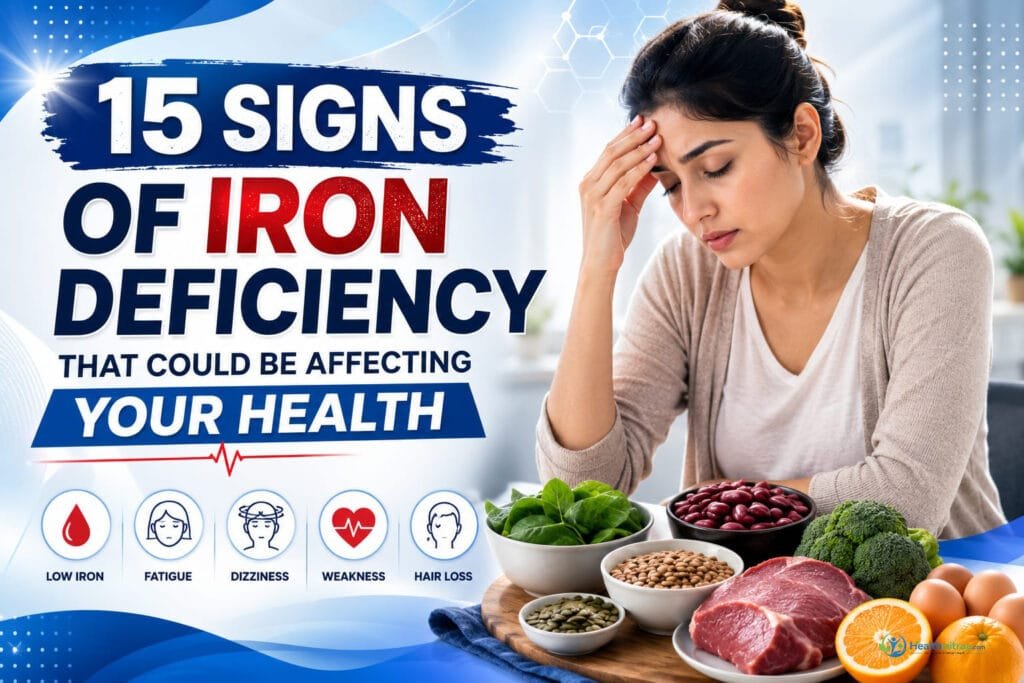
Iron deficiency is one of the most common nutritional deficiencies worldwide, affecting people of all ages. It can develop gradually, often causing subtle symptoms that are easy to overlook. If left untreated, it may lead to iron deficiency anemia and affect your energy, concentration, and overall health. In this guide, you’ll learn 15 warning signs of iron deficiency, its causes, treatment options, iron-rich foods, and practical ways to prevent it.
What Is Iron Deficiency?
Iron deficiency is a condition in which your body does not have enough iron to produce adequate hemoglobin, the protein in red blood cells that carries oxygen throughout the body. Without sufficient iron, your organs and muscles receive less oxygen, making you feel tired, weak, and short of breath. Although anyone can develop iron deficiency, it is more common in women, children, pregnant individuals, and people with poor dietary intake or certain medical conditions. If left untreated, iron deficiency can progress to iron deficiency anemia and increase the risk of health complications. The good news is that early diagnosis, iron-rich foods, and appropriate treatment can usually restore healthy iron levels and improve your overall well-being.
15 Signs of Iron Deficiency
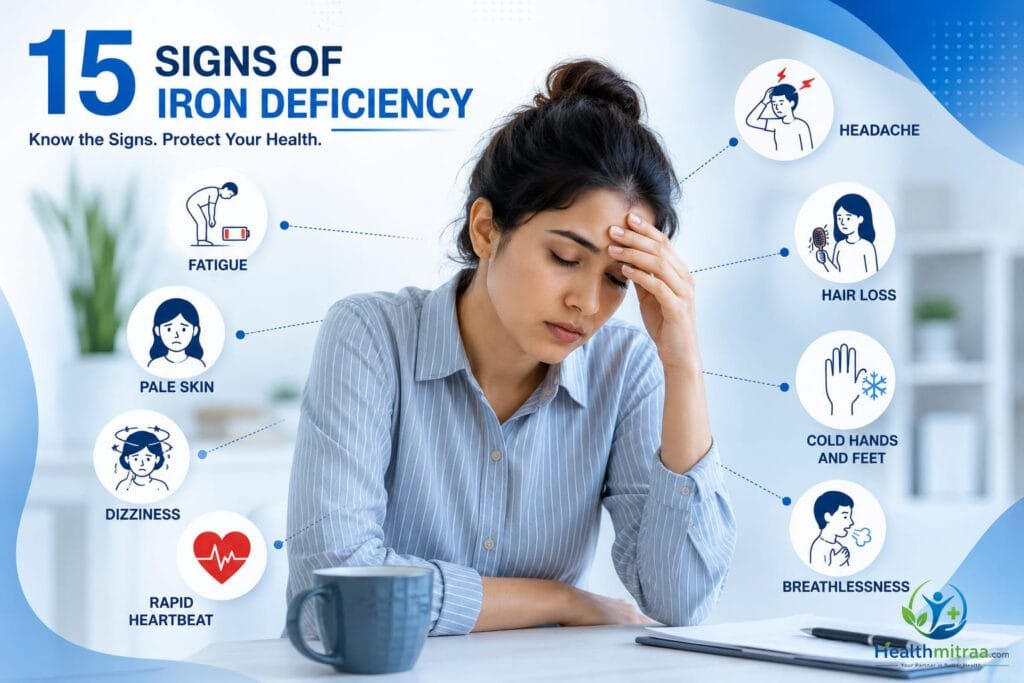
Iron deficiency often develops gradually, so the early symptoms may seem mild or easy to ignore. As your body’s iron stores become depleted, it produces less hemoglobin, reducing the amount of oxygen delivered to tissues and organs. This can affect your energy levels, brain function, muscles, skin, and overall health. Recognizing these warning signs early can help you seek medical advice before the condition progresses to iron deficiency anemia.
1. Constant Fatigue and Weakness
Persistent fatigue is one of the most common signs of iron deficiency. Even after getting enough sleep, you may feel unusually tired, lack motivation, or struggle to complete everyday activities. Low iron reduces oxygen delivery to muscles and organs, leaving your body with less energy to function efficiently.
2. Pale Skin
A noticeable loss of healthy skin color may indicate low iron levels. Reduced hemoglobin makes the skin, inner eyelids, and lips appear paler than usual. While pale skin can have several causes, it is a common symptom of iron deficiency, especially when accompanied by tiredness or weakness.
3. Shortness of Breath
If climbing stairs or walking short distances leaves you unusually breathless, iron deficiency could be a contributing factor. With less oxygen circulating through the body, your heart and lungs work harder to meet your body’s needs, making everyday physical activities feel more exhausting.
4. Frequent Headaches
Recurring headaches may occur when the brain receives less oxygen due to reduced hemoglobin levels. Some people also experience pressure around the head or mild dizziness. Although headaches have many possible causes, they can be an early sign of iron deficiency when combined with other symptoms.
5. Dizziness or Lightheadedness
Feeling dizzy when standing up quickly or experiencing occasional lightheadedness may indicate that your body is not getting enough oxygen-rich blood. This symptom can interfere with daily activities and increase the risk of falls, especially in older adults.
6. Cold Hands and Feet
People with iron deficiency often notice that their hands and feet feel unusually cold, even in warm environments. Reduced oxygen delivery and changes in blood circulation can make it harder for the body to maintain a comfortable temperature. If cold extremities occur along with fatigue, pale skin, or shortness of breath, it’s worth discussing your symptoms with a healthcare professional.
7. Brittle Nails
Weak, thin, or easily broken nails can sometimes be linked to iron deficiency. As iron levels decline, the body may prioritize essential organs over healthy nail growth. In more advanced cases, the nails may become flat or develop a spoon-like shape, a condition known as koilonychia.
8. Hair Loss
Excessive hair shedding or thinning may occur when your body lacks enough iron to support healthy hair follicles. While occasional hair loss is normal, persistent shedding combined with fatigue or other symptoms may suggest an underlying nutritional deficiency. Identifying the cause early can help prevent further hair loss.
9. Rapid or Irregular Heartbeat
When there isn’t enough iron to carry oxygen efficiently, the heart works harder to supply oxygen-rich blood throughout the body. As a result, some people may notice a fast, pounding, or irregular heartbeat, especially during physical activity. This symptom should not be ignored, particularly if it is accompanied by chest discomfort, dizziness, or severe shortness of breath.
10. Difficulty Concentrating (Brain Fog)
Low iron levels can affect the amount of oxygen reaching the brain, making it harder to concentrate, remember information, or stay focused. Some people describe this as “brain fog,” where simple tasks feel more challenging than usual.
11. Restless Legs Syndrome
Some individuals with iron deficiency experience an uncomfortable urge to move their legs, especially while resting or trying to sleep. The sensation may feel like tingling, crawling, or aching and often improves with movement. This symptom can interfere with sleep quality and lead to daytime tiredness.
12. Sore or Swollen Tongue
A smooth, swollen, or painful tongue may be another warning sign. Iron plays an important role in maintaining healthy tissues, and low levels can cause inflammation or tenderness in the tongue. Some people may also notice cracks at the corners of the mouth.
13. Craving Non-Food Items (Pica)
An unusual craving for substances such as ice, clay, dirt, or starch is known as pica. Although the exact reason is unclear, it is commonly associated with iron deficiency, particularly when iron levels become severely depleted.
14. Frequent Infections
Iron supports normal immune function. When your body lacks enough iron, your immune system may not work as effectively, making you more likely to develop frequent or recurring infections.
15. Poor Exercise Tolerance
If you become exhausted quickly during walking, running, or other physical activities that previously felt easy, low iron levels may be a contributing factor. Reduced oxygen delivery to muscles can lower endurance and slow recovery after exercise. If these symptoms persist, consult a healthcare professional for proper evaluation.
Why Does Iron Deficiency Happen?
Iron deficiency can develop for several reasons, and in many cases, more than one factor is involved. One of the most common causes is not getting enough iron through your diet. People who eat limited amounts of meat, seafood, beans, or leafy green vegetables may gradually deplete their iron stores over time.
Blood loss is another major cause. Heavy menstrual periods, stomach ulcers, gastrointestinal bleeding, or surgery can reduce the body’s iron levels. During pregnancy, the body’s iron requirements increase to support the growing baby, making pregnant women more likely to develop low iron if their nutritional needs are not met.
Certain medical conditions can also reduce the body’s ability to absorb iron. Disorders such as celiac disease, inflammatory bowel disease, or previous stomach surgery may interfere with normal iron absorption. In addition, frequent blood donation, intense endurance training, and rapid growth during childhood or adolescence can increase the risk of developing iron deficiency.
Identifying the underlying cause is just as important as correcting low iron levels. A healthcare professional can recommend appropriate tests to determine why the deficiency occurred and suggest the most effective treatment based on your individual needs.
Who Is Most Likely to Develop Iron Deficiency?
Although iron deficiency can affect anyone, certain groups have a much higher risk because of increased iron needs, blood loss, or reduced iron absorption. Women of childbearing age are among the most commonly affected due to monthly menstrual blood loss. Pregnant women also require more iron to support the healthy growth and development of the baby.
Infants, young children, and teenagers may develop iron deficiency during periods of rapid growth when the body’s iron demand increases. People who follow vegetarian or vegan diets without carefully planning iron-rich meals may also be at greater risk.
Older adults, frequent blood donors, and endurance athletes can experience low iron levels because of increased iron loss or higher physical demands. In addition, individuals with digestive disorders such as celiac disease or inflammatory bowel disease may have difficulty absorbing enough iron from food.
Knowing whether you belong to a high-risk group can help you recognize symptoms early and seek timely medical advice. Regular checkups and a balanced diet can play an important role in maintaining healthy iron levels.
How Is Iron Deficiency Diagnosed?
Iron deficiency cannot be confirmed by symptoms alone, as many signs can overlap with other health conditions. A healthcare professional will usually begin by reviewing your medical history, diet, symptoms, and any possible sources of blood loss. This helps identify potential causes and determine whether further testing is needed.
The most common test is a complete blood count (CBC), which measures hemoglobin and red blood cell levels. Your doctor may also recommend blood tests such as serum ferritin, serum iron, transferrin saturation, and total iron-binding capacity (TIBC) to evaluate your body’s iron stores more accurately.
If an underlying condition is suspected, additional tests may be required to identify hidden bleeding or problems with iron absorption. Early diagnosis is important because prompt treatment can restore healthy iron levels, relieve symptoms, and reduce the risk of developing iron deficiency anemia or other complications.
Best Iron-Rich Foods to Increase Iron Naturally
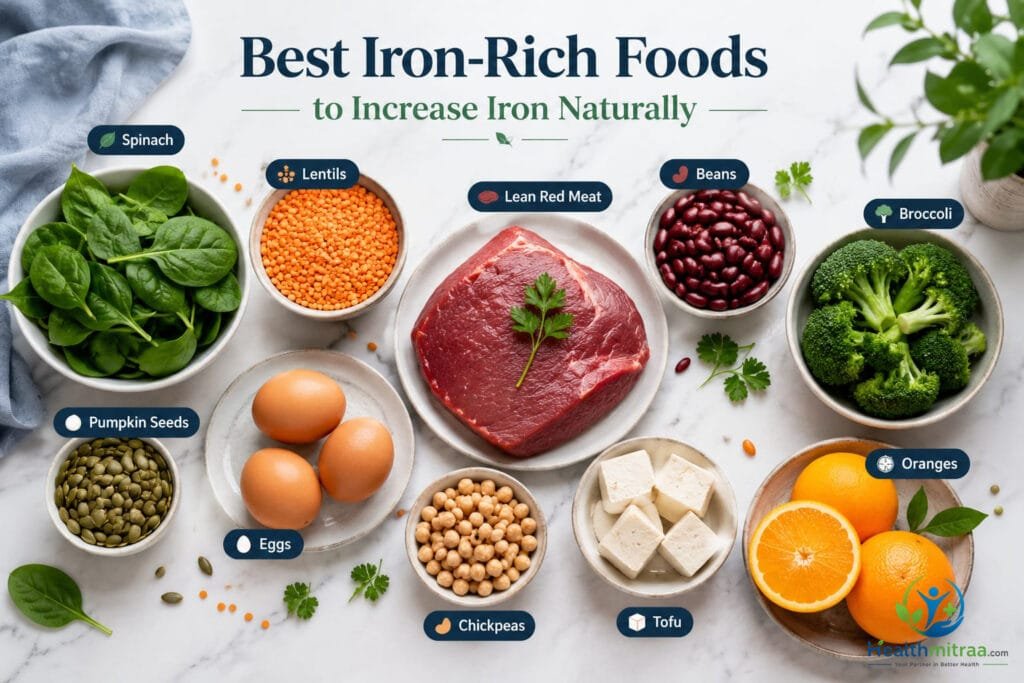
Eating a balanced diet is one of the most effective ways to maintain healthy iron levels. Iron comes in two forms: heme iron, which is found in animal-based foods and is absorbed more efficiently, and non-heme iron, which is found in plant-based foods. Including a variety of both can help meet your daily iron needs.
Good sources of heme iron include lean red meat, chicken, turkey, fish, shellfish, and liver. Plant-based options include spinach, lentils, beans, chickpeas, tofu, pumpkin seeds, quinoa, and iron-fortified cereals. Pairing these foods with vitamin C-rich fruits and vegetables, such as oranges, strawberries, kiwi, tomatoes, or bell peppers, can improve iron absorption.
At the same time, avoid drinking tea or coffee immediately before or after iron-rich meals, as they may reduce iron absorption. If your iron levels remain low despite dietary changes, consult a healthcare professional to determine whether additional treatment or supplements are necessary.
Should You Take Iron Supplements?
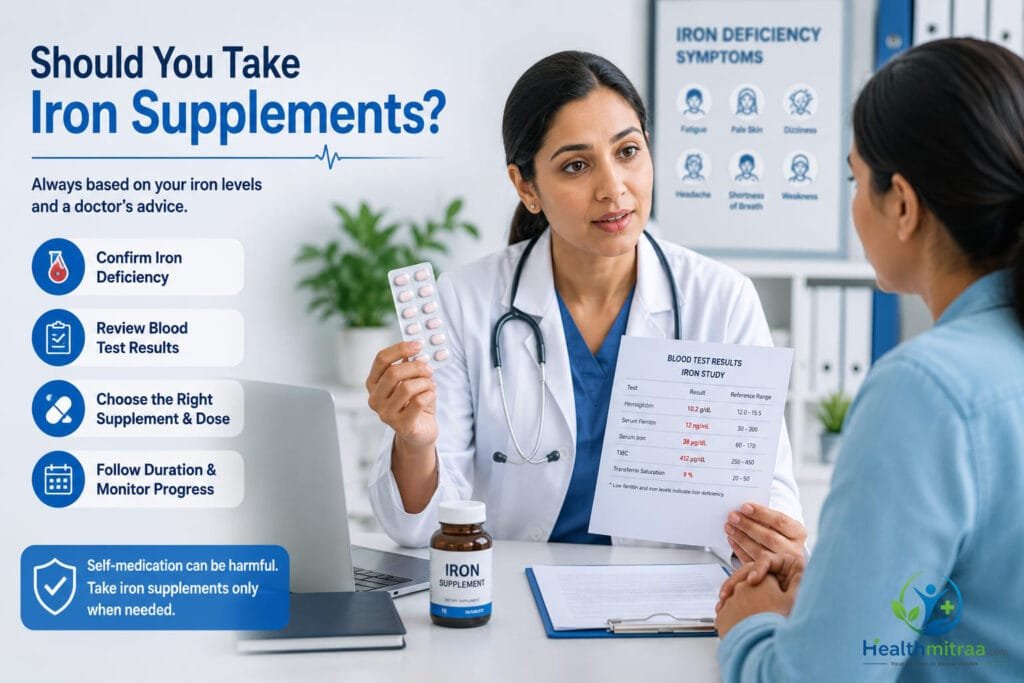
Iron supplements can be an effective treatment for iron deficiency, but they should only be taken under the guidance of a healthcare professional. Taking iron when you do not need it or using the wrong dosage may cause side effects such as constipation, nausea, stomach pain, or, in severe cases, iron overload.
If blood tests confirm low iron levels, your doctor may recommend an iron supplement based on your age, overall health, and the underlying cause of the deficiency. It is important to take the supplement exactly as directed and continue treatment until your healthcare provider confirms that your iron stores have returned to normal.
Never self-diagnose or start long-term iron supplements without medical advice. If your symptoms do not improve or become worse despite treatment, consult your healthcare professional for further evaluation.
How to Prevent Iron Deficiency
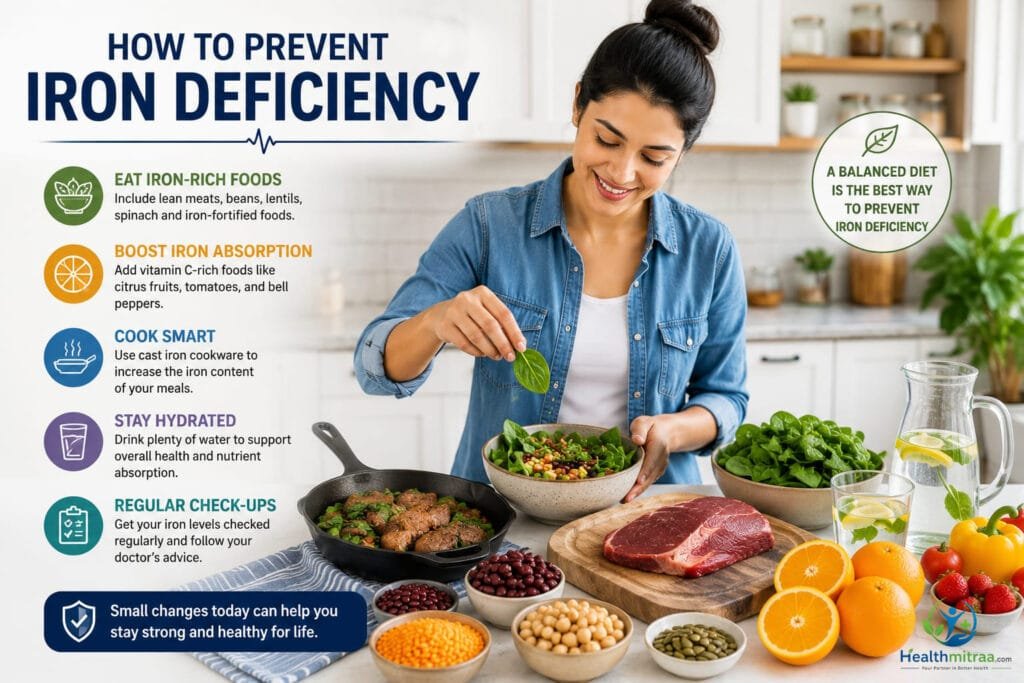
Preventing iron deficiency starts with healthy daily habits and a balanced diet. Include a variety of iron-rich foods such as lean meat, fish, beans, lentils, spinach, and iron-fortified cereals in your meals. Combining these foods with vitamin C-rich fruits and vegetables can help your body absorb iron more effectively.
If you have heavy menstrual periods, are pregnant, donate blood regularly, or have a medical condition that affects iron absorption, discuss your iron status with a healthcare professional. They may recommend periodic blood tests or supplements if needed.
Avoid taking iron supplements unless they are prescribed, as excessive iron can be harmful. Regular health checkups, a nutritious diet, and early attention to symptoms can help maintain healthy iron levels and reduce the risk of developing iron deficiency or iron deficiency anemia.
When Should You See a Doctor?
Occasional tiredness does not always mean you have iron deficiency, but persistent symptoms should never be ignored. Schedule an appointment with a healthcare professional if you experience ongoing fatigue, pale skin, shortness of breath, dizziness, rapid heartbeat, or unexplained hair loss that does not improve with a healthy diet.
Seek medical advice promptly if your symptoms become severe, you notice blood in your stool, have very heavy menstrual bleeding, or experience chest pain, fainting, or difficulty breathing. These symptoms may indicate a more serious underlying condition that requires immediate evaluation.
Early diagnosis and appropriate treatment can restore healthy iron levels, prevent complications such as iron deficiency anemia, and improve your overall quality of life.
Frequently Asked Questions
Can iron deficiency go away on its own?
Mild iron deficiency may improve by eating more iron-rich foods, but many people require medical evaluation and treatment. If an underlying condition is causing low iron levels, it must also be addressed.
What are the first signs of iron deficiency?
Early symptoms often include persistent fatigue, weakness, pale skin, dizziness, headaches, and reduced exercise tolerance. These symptoms usually develop gradually and may become more noticeable over time.
Which foods are highest in iron?
Lean red meat, poultry, fish, shellfish, liver, lentils, beans, spinach, tofu, pumpkin seeds, and iron-fortified cereals are among the best dietary sources of iron.
How long does it take to recover from iron deficiency?
Recovery varies depending on the severity of the deficiency and its cause. Many people begin to feel better within a few weeks of treatment, but restoring iron stores may take several months.
Can I take iron supplements every day?
You should only take iron supplements if they are recommended by a healthcare professional. Taking unnecessary or excessive iron can cause side effects and may be harmful.
Final Thoughts
Iron deficiency is a common but treatable condition that can affect your energy, concentration, physical performance, and overall well-being. Recognizing the warning signs early and identifying the underlying cause are essential steps toward preventing complications such as iron deficiency anemia. Eating a balanced diet with iron-rich foods, following your healthcare provider’s advice, and seeking medical evaluation when symptoms persist can help restore healthy iron levels. With timely diagnosis and appropriate treatment, most people recover successfully and return to their normal daily activities.
References
- World Health Organization (WHO). Iron Deficiency Anaemia.
- National Institutes of Health (NIH) – Office of Dietary Supplements. Iron Fact Sheet for Health Professionals.
- Centers for Disease Control and Prevention (CDC). Iron and Iron Deficiency.
- Mayo Clinic. Iron Deficiency Anemia.
- Cleveland Clinic. Iron Deficiency Anemia.
- NHS (UK). Iron Deficiency Anaemia.
Explore More
- Vitamin B12 Deficiency: 10 Critical Warning Signs You Should Never Ignore
- Vitamin D Deficiency: 15 Warning Signs, Causes, Treatment & Prevention
- Anemia: 12 Critical Warning Signs, Causes, Treatment & Prevention
- Morning Exercise: 15 Amazing Benefits of Starting Your Day with Exercise
- Home Workout Tips: 15 Common Mistakes, Safety Rules & Expert Advice
Medical Disclaimer
This article is intended for informational and educational purposes only and should not be considered medical advice, diagnosis, or treatment. Always consult a qualified healthcare professional before starting, stopping, or changing any medication, supplement, or treatment plan. Never ignore professional medical advice or delay seeking care because of information you have read online.