Introduction
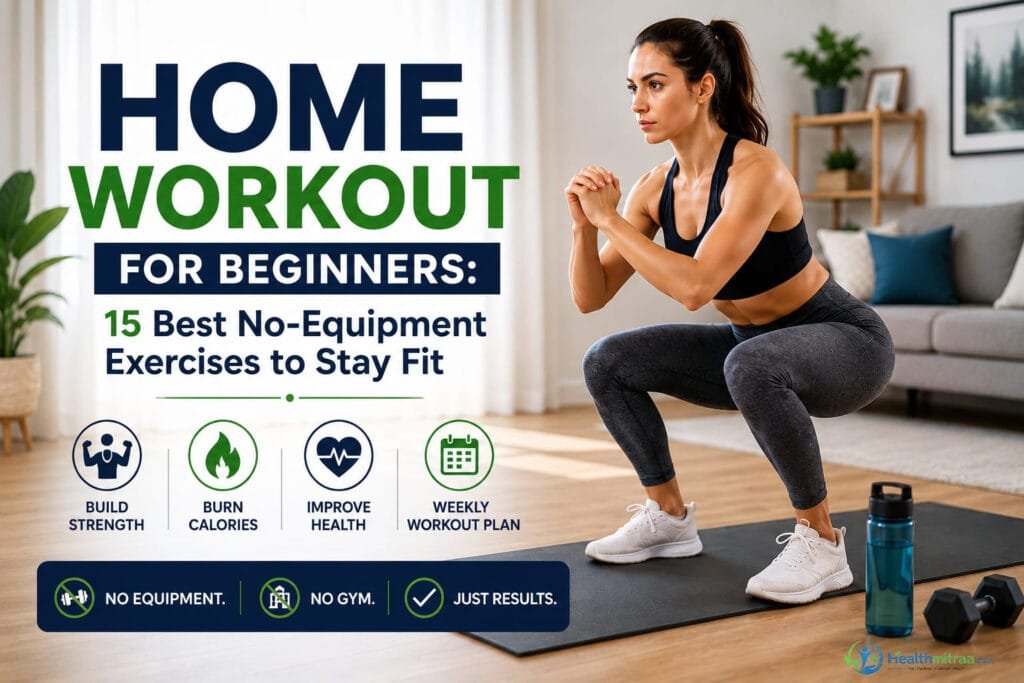
Finding time to stay active isn’t always easy. Busy schedules, expensive gym memberships, long commutes, or bad weather often make regular exercise difficult. The good news is that you don’t need a gym or expensive equipment to improve your fitness. A well-planned home workout can help you build strength, improve cardiovascular health, increase flexibility, and support a healthy body—all from the comfort of your home.
Research consistently shows that regular physical activity lowers the risk of many chronic conditions, including heart disease, type 2 diabetes, obesity, and high blood pressure. It also plays an important role in improving mood, reducing stress, enhancing sleep quality, and increasing overall energy levels. The health benefits come from exercising consistently, regardless of whether you work out at home or in a fitness center.
The best part about a home workout is its flexibility. You can exercise at your own pace, choose movements that match your fitness level, and fit short sessions into even the busiest schedule. Beginners can start with simple bodyweight exercises, while more experienced individuals can gradually increase intensity as their fitness improves.
In this guide, you’ll learn 15 effective no-equipment exercises, discover the proven health benefits of a home workout, and follow a beginner-friendly weekly plan to help you exercise safely and build a long-lasting fitness habit.
What Is a Home Workout?
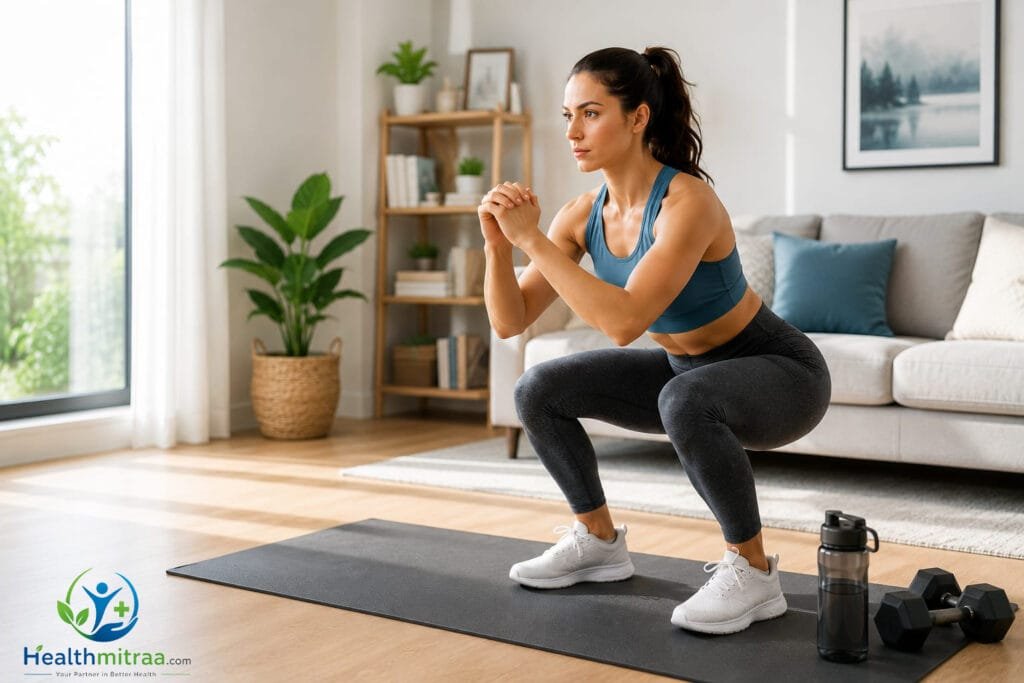
A home workout is a structured exercise routine performed at home or in any convenient space without requiring access to a gym. It may include bodyweight movements, resistance bands, light dumbbells, or simple household items to improve strength, cardiovascular fitness, flexibility, balance, and overall physical health. Because workouts can be adjusted to different fitness levels, they are suitable for beginners, older adults, and many experienced exercisers.
One of the greatest advantages of a home workout is accessibility. It eliminates travel time, reduces costs associated with gym memberships, and allows people to exercise whenever it best fits their schedule. Even short sessions performed consistently can contribute to better physical fitness and support long-term health.
A well-designed home workout typically includes four essential components: a warm-up, strength exercises, aerobic activity, and a cool-down with stretching. This balanced approach helps prepare the body for movement, improves muscle function, supports heart health, and reduces the risk of exercise-related injuries.
Regular physical activity performed at home can also help lower the risk of chronic conditions such as heart disease, type 2 diabetes, obesity, and high blood pressure. In addition to physical benefits, consistent exercise may improve sleep quality, reduce stress, increase energy levels, and support mental well-being.
The effectiveness of a home workout depends less on expensive equipment and more on proper technique, gradual progression, and consistency. When combined with healthy eating, adequate hydration, and sufficient sleep, exercising at home can become a practical and sustainable habit that supports lifelong health.
15 Best Home Workout Exercises to Stay Fit Without Equipment
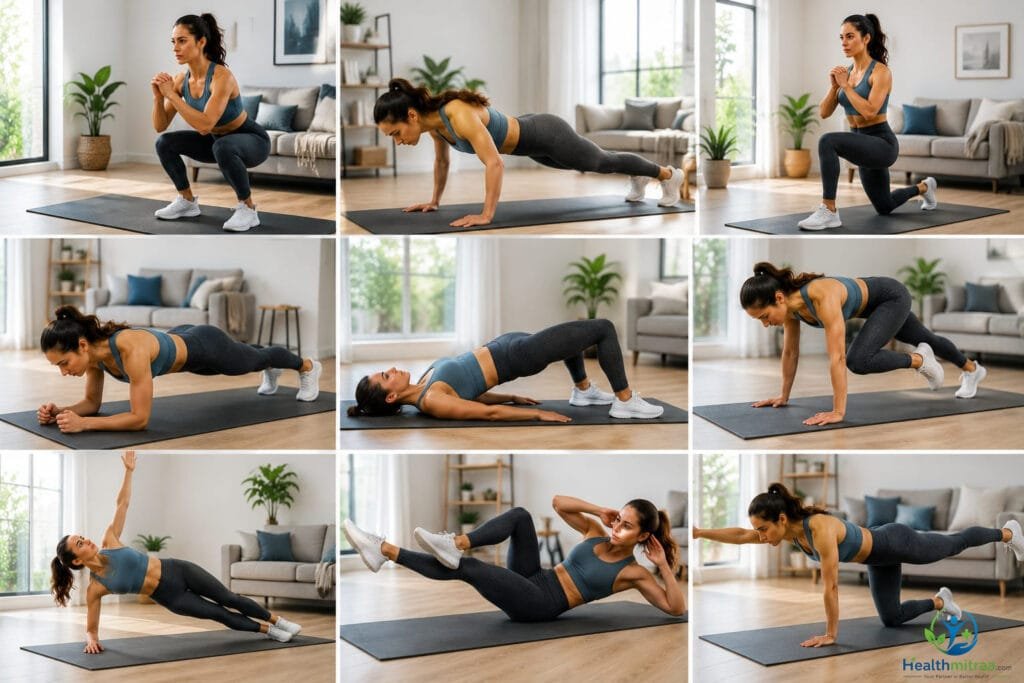
15 Best Home Workout Exercises to Stay Fit Without Equipment
You don’t need an expensive gym membership or advanced fitness equipment to improve your health. A well-planned home workout using bodyweight exercises can effectively build strength, improve cardiovascular fitness, increase flexibility, and support healthy weight management. The key is to choose exercises that target multiple muscle groups, perform them with proper form, and gradually increase intensity as your fitness improves. Home Workout.
Below are some of the most effective home workout exercises recommended by fitness professionals for beginners and intermediate exercisers.
1. Jumping Jacks
Jumping jacks are an excellent warm-up exercise that raises your heart rate, improves blood circulation, and prepares your muscles for more intense activity. They also help improve coordination and endurance.
2. Bodyweight Squats
Squats strengthen the thighs, hips, glutes, and core while improving balance and lower-body mobility. Keep your chest up, back straight, and knees aligned with your toes throughout the movement.
3. Push-Ups
Push-ups strengthen the chest, shoulders, triceps, and core muscles. Beginners can start with wall or knee push-ups before progressing to standard push-ups.
4. Forward Lunges
Lunges improve leg strength, balance, and stability while engaging the glutes and core. Step forward carefully and lower your body until both knees form approximately 90-degree angles.
5. Plank
The plank is one of the most effective core-strengthening exercises. Maintain a straight line from your head to your heels while tightening your abdominal and glute muscles throughout the hold.
6. Mountain Climbers
Mountain climbers combine cardiovascular exercise with core strengthening. This full-body movement increases heart rate while improving coordination and endurance.
7. Glute Bridge
The glute bridge strengthens the gluteal muscles, hamstrings, and lower back while improving hip stability. It can also help counteract the effects of prolonged sitting.
8. High Knees
High knees provide an effective cardiovascular workout while strengthening the legs and improving agility. Keep your core engaged and land softly with each step.
9. Bicycle Crunches
This exercise targets the abdominal muscles and obliques while promoting core stability. Avoid pulling on your neck and focus on controlled movements.
10. Burpees
Burpees are a high-intensity full-body exercise that combines strength and cardiovascular training. Beginners can modify the movement by stepping back instead of jumping.
11. Superman
The Superman exercise strengthens the lower back, glutes, and posterior shoulder muscles, helping improve posture and spinal support.
12. Wall Sit
Wall sits build muscular endurance in the quadriceps, glutes, and calves. Keep your knees aligned above your ankles while maintaining a neutral spine.
13. Triceps Dips
Using a sturdy chair or bench, triceps dips strengthen the back of the upper arms and shoulders. Lower yourself slowly and avoid placing excessive stress on the shoulders.
14. Calf Raises
Calf raises strengthen the lower legs, improve ankle stability, and enhance balance. Perform slow, controlled repetitions for the best results.
15. Side Plank
The side plank targets the oblique muscles while improving core stability and shoulder strength. Keep your body aligned and avoid allowing your hips to drop during the exercise.
These exercises can be combined into a balanced home workout routine by including a brief warm-up, performing each exercise with proper form, and finishing with stretching or a cool-down. As your fitness improves, gradually increase the number of repetitions, sets, or workout duration to continue making progress safely.
Warm-Up Before You Start
Starting a workout without preparing your body can increase the risk of muscle strain, joint discomfort, and poor exercise performance. Whether you’re a beginner or already active, spending 5–10 minutes warming up helps your body transition safely from rest to physical activity. It gradually raises your heart rate, improves blood circulation, increases muscle temperature, and prepares your joints for a greater range of motion.
An effective warm-up doesn’t have to be complicated. Begin with light movements such as marching in place, brisk walking around the room, or gentle jogging on the spot. Add dynamic stretches like arm circles, shoulder rolls, hip rotations, leg swings, and ankle circles to loosen major joints. These movements activate the muscles you’ll use during your workout while improving flexibility and coordination.
As your body warms up, you may notice slightly faster breathing and a mild increase in heart rate. This is a normal response that helps deliver more oxygen and nutrients to working muscles. A proper warm-up also improves balance, reaction time, and overall exercise performance, making your session feel more comfortable and effective.
Avoid stretching to the point of pain or performing intense exercises before your muscles are ready. If you have a chronic medical condition, recent injury, or experience dizziness, chest pain, or unusual shortness of breath, stop exercising and seek medical advice before continuing.
Taking just a few extra minutes to warm up can make every workout safer and more productive. Once your body feels loose and energized, you’re ready to begin the following full-body exercises with better control, confidence, and a lower risk of injury.
Benefits of a Home Workout
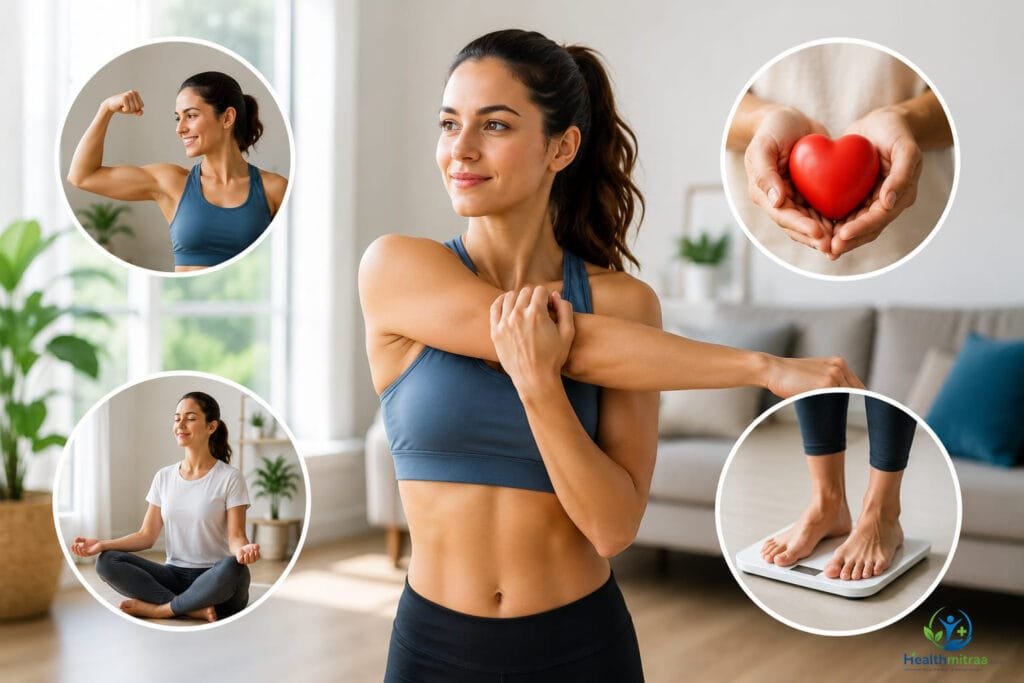
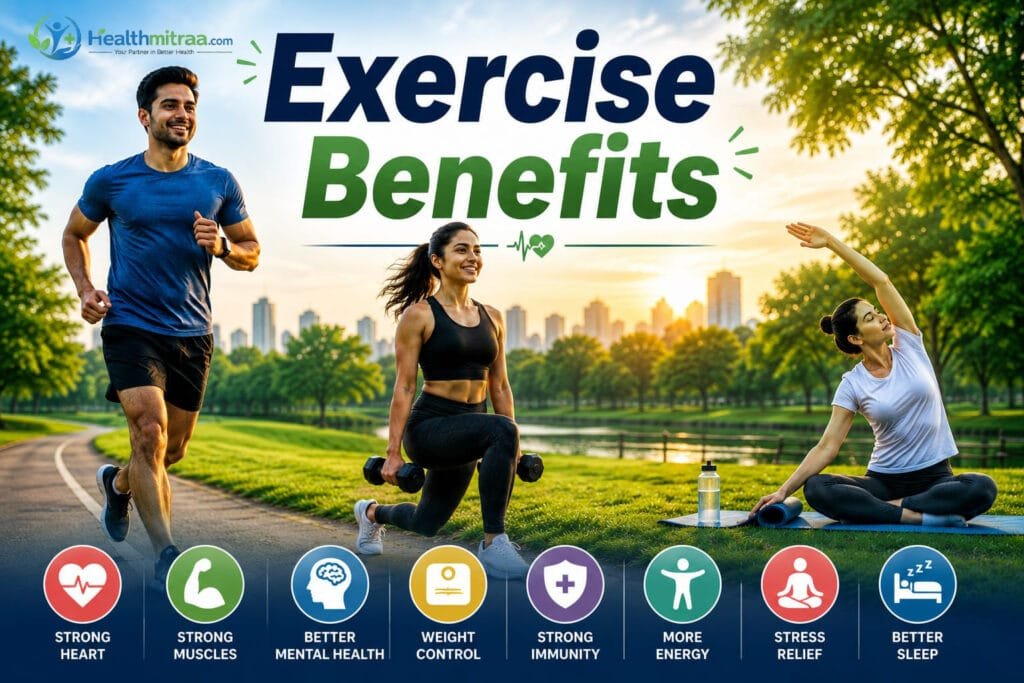
A regular home workout offers far more than convenience. When performed consistently, it can improve physical fitness, support mental well-being, and lower the risk of many chronic health conditions. According to major health organizations, adults who stay physically active are more likely to enjoy better long-term health and quality of life.
One of the biggest benefits is improved heart health. Aerobic movements such as jumping jacks, high knees, and mountain climbers help strengthen the heart, improve blood circulation, and support healthy blood pressure. Regular exercise also helps the body use insulin more effectively, reducing the risk of type 2 diabetes.
Strength-based exercises, including squats, push-ups, lunges, and planks, build muscle and improve bone health. Stronger muscles support better posture, enhance balance, and make everyday activities like climbing stairs or lifting groceries easier.
A home workout can also support healthy weight management by increasing calorie expenditure and preserving lean muscle mass. Combined with a balanced diet, regular exercise can help achieve and maintain a healthy body weight.
The benefits extend beyond physical health. Exercise stimulates the release of endorphins—often called the body’s “feel-good” chemicals—which may reduce stress, improve mood, and promote better sleep. Many people also experience increased energy and improved concentration after exercising regularly.
Perhaps the greatest advantage is sustainability. Because you can exercise anytime without traveling to a gym, it becomes easier to stay consistent. Even 20–30 minutes of moderate activity on most days can make a meaningful difference in your overall health. By turning exercise into a daily habit, a home workout becomes one of the simplest and most effective investments you can make for lifelong fitness.
Common Home Workout Mistakes to Avoid
Even the best workout routine may not deliver the desired results if common mistakes become part of your habit. Paying attention to proper technique and recovery can help you exercise more safely and effectively while reducing the risk of injury.
One of the biggest mistakes beginners make is skipping the warm-up. Preparing your muscles and joints with 5–10 minutes of light movement increases blood flow and improves flexibility before more challenging exercises.
Another common error is using incorrect exercise form. Poor technique can place unnecessary stress on your knees, back, shoulders, or wrists. Focus on performing each movement slowly and correctly rather than rushing through more repetitions.
Many people also do too much too soon. Exercising at a very high intensity without allowing your body to adapt can lead to soreness, fatigue, or injury. Increase your workout duration or intensity gradually as your fitness improves.
Ignoring rest and recovery is another mistake. Muscles need time to repair and grow after strength training. Include at least one or two recovery days each week and aim for 7–9 hours of quality sleep every night.
Hydration and nutrition are equally important. Not drinking enough water or skipping balanced meals may reduce energy levels and slow recovery after exercise.
Finally, avoid comparing your progress with others. Everyone improves at a different pace. Stay consistent, track your own achievements, and celebrate small milestones. Safe exercise habits, patience, and regular practice will provide better long-term results than trying to achieve quick results in a short period.
Sample Healthy Meal Plan to Support Your Home Workout
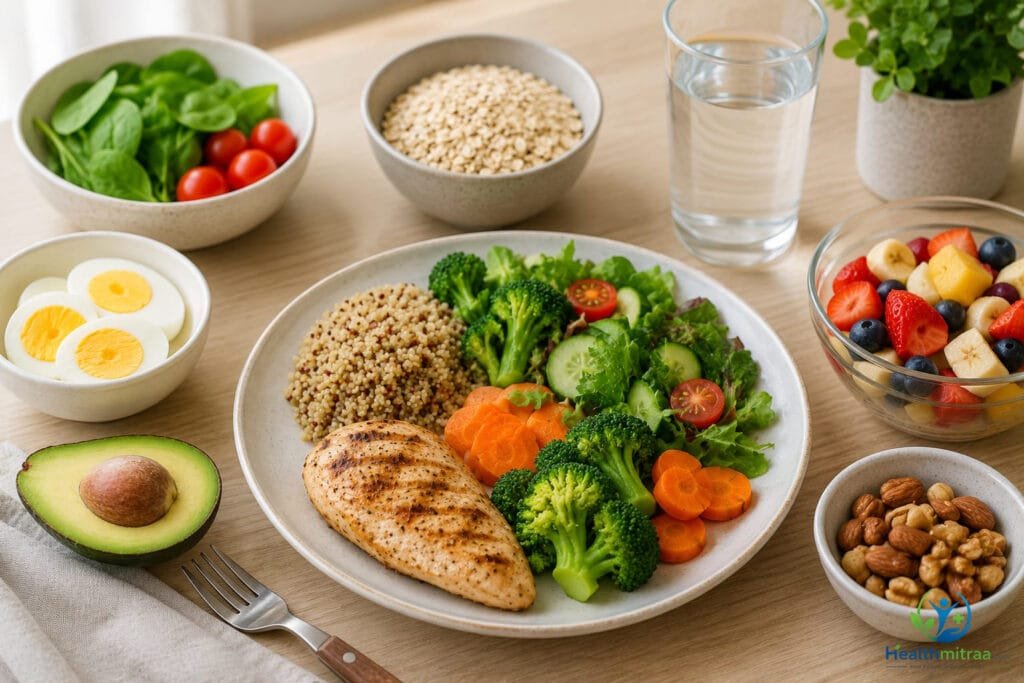
Exercise delivers the best results when combined with a balanced, nutritious diet. Your body needs carbohydrates for energy, protein for muscle repair, and healthy fats to support overall health. Staying hydrated throughout the day is equally important, especially before and after exercise.
Here’s a simple one-day meal plan for beginners:
- Breakfast: Oatmeal with milk, banana, and a handful of almonds.
- Mid-Morning Snack: Greek yogurt or a bowl of fresh fruit.
- Lunch: Grilled chicken, fish, tofu, or lentils with brown rice and mixed vegetables.
- Evening Snack: Apple with peanut butter or a handful of roasted nuts.
- Dinner: Whole-wheat chapati or quinoa with vegetables and a lean protein source such as beans, paneer, eggs, or grilled chicken.
Drink 2–3 liters of water daily, or more if you sweat heavily during exercise. Try to eat a light meal or snack about 1–2 hours before your workout, and include protein after exercising to support muscle recovery. Limit sugary drinks, highly processed foods, and excessive fried foods, as they can reduce the benefits of regular physical activity. Small, consistent healthy eating habits can significantly improve your energy levels, recovery, and long-term fitness results.
Beginner Weekly Home Workout Plan
Starting a fitness routine is easier when you have a simple schedule to follow. This beginner-friendly plan helps you build strength, improve endurance, and allow enough recovery time between sessions. Adjust the intensity based on your fitness level and stop if you experience pain or unusual symptoms.
| Day | Activity |
|---|---|
| Monday | Full-body workout (20–30 minutes) |
| Tuesday | Brisk walking or light cardio (20–30 minutes) |
| Wednesday | Full-body strength workout |
| Thursday | Gentle stretching or yoga (20 minutes) |
| Friday | Full-body workout with core exercises |
| Saturday | Walking, cycling, or other enjoyable activity |
| Sunday | Rest and recovery |
Aim to perform 2–3 sets of each exercise with 10–15 repetitions, or work for 30–45 seconds per exercise. Rest for 30–60 seconds between sets, and increase the difficulty gradually as your strength and stamina improve.
Consistency is more important than perfection. Even if you can only exercise for 20 minutes, staying active most days of the week provides meaningful health benefits. Pair your workouts with a balanced diet, adequate hydration, and 7–9 hours of sleep each night to support recovery and muscle growth.
If you have a chronic medical condition, are pregnant, or are returning to exercise after an injury, speak with your healthcare provider before beginning a new exercise program. Following a realistic weekly routine can help turn regular physical activity into a healthy lifelong habit.
Frequently Asked Questions (FAQs)
1. Is a home workout as effective as going to the gym?
Yes. A home workout can be highly effective when performed consistently with proper technique and progressive difficulty. While gyms offer more equipment, bodyweight exercises can improve strength, endurance, flexibility, and cardiovascular fitness for many people.
2. Can I lose weight with a home workout?
Yes, regular exercise can support healthy weight loss when combined with a balanced, calorie-appropriate diet. Full-body exercises such as squats, push-ups, burpees, and mountain climbers increase calorie expenditure and help preserve muscle mass during weight loss.
3. How long should beginners exercise at home?
Most beginners can start with 20–30 minutes of moderate exercise, 3–5 days per week. As fitness improves, you can gradually increase the duration or intensity. Avoid trying to do too much too soon, as this may increase the risk of injury.
4. Do I need equipment for a home workout?
No. Many effective exercises—including push-ups, lunges, planks, squats, and glute bridges—use only your body weight. As you become stronger, resistance bands or light dumbbells can add variety, but they are not essential for beginners.
5. Is it safe to do a home workout every day?
Light physical activity such as walking, stretching, or yoga can be done daily. However, high-intensity strength training should be balanced with recovery days so muscles have time to repair and grow. If you experience chest pain, severe shortness of breath, dizziness, or persistent joint pain, stop exercising and seek medical advice promptly.
Key Takeaways
- A home workout is an effective way to improve strength, heart health, flexibility, and overall fitness without expensive equipment.
- Start with simple bodyweight exercises, warm up before each session, and increase intensity gradually.
- Aim for at least 20–30 minutes of exercise most days of the week.
- Stay consistent, maintain proper form, eat a balanced diet, and allow enough recovery time to achieve safe and lasting results.
Conclusion
A home workout proves that you don’t need a gym membership or expensive equipment to stay healthy and active. By following a structured routine, using proper exercise form, and staying consistent, you can build strength, improve heart health, boost energy, and support long-term well-being. Start with small, achievable goals and increase the challenge gradually as your fitness improves. Remember, lasting results come from regular physical activity—not perfection. Make exercise a daily habit, listen to your body, and enjoy the lifelong health benefits of staying active at home.
Sources and Refrences
Explore More
- Breast Cancer: 12 Early Warning Signs Every Woman Should Never Ignore
- PCOS: 15 Silent Symptoms Every Woman Should Never Ignore
- How to Lose Belly Fat Naturally: 15 Proven Diet, Exercise & Lifestyle Tips
- Weight Loss: 15 Amazing Tips That Really Work
- Walking Benefits: 15 Powerful Reasons to Walk Every Day
Medical Disclaimer: This article is for educational purposes only and should not replace professional medical advice, diagnosis, or treatment. Always consult a qualified healthcare provider before starting a new exercise program, especially if you have a medical condition, are pregnant, or have recently experienced an injury. If symptoms develop during exercise, seek medical attention promptly.