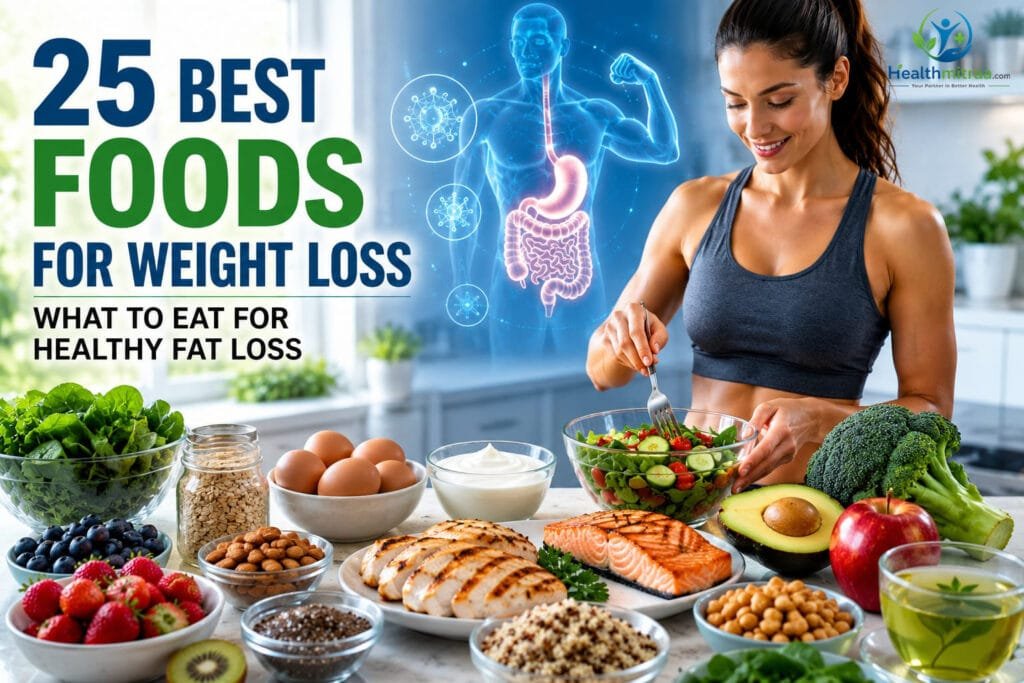
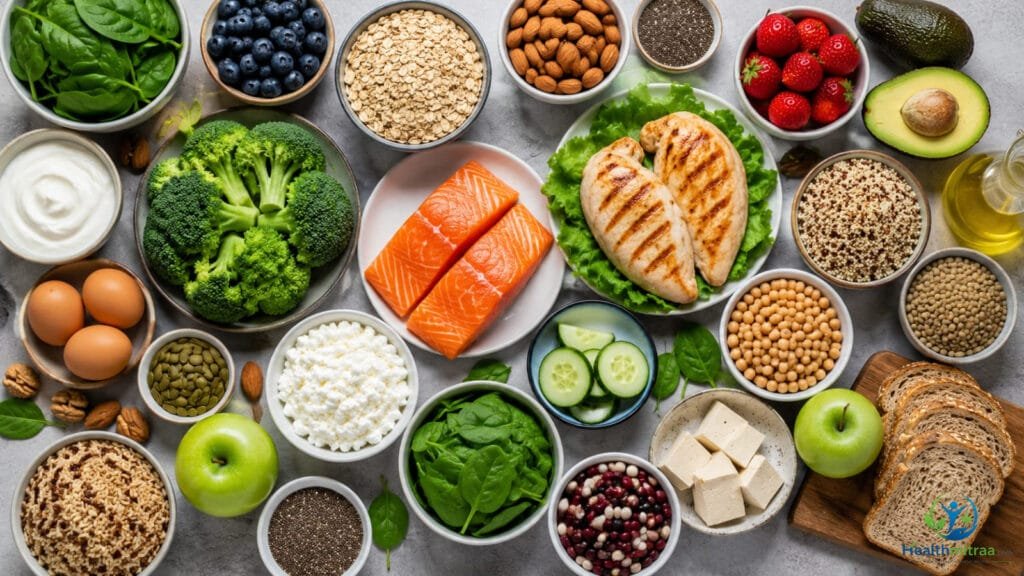
Losing weight isn’t about starving yourself or following restrictive diets. The foods you choose every day can have a significant impact on your appetite, metabolism, energy levels, and overall health. Eating nutrient-dense, satisfying foods can help you stay full longer, reduce unnecessary cravings, and make healthy weight loss more sustainable.
In this guide, you’ll discover 25 of the best foods for weight loss, why they work, and simple ways to include them in your daily diet. Whether your goal is to lose belly fat, manage your weight, or build healthier eating habits, these science-backed food choices can help you achieve lasting results.
Why Your Food Choices Matter More Than Counting Calories
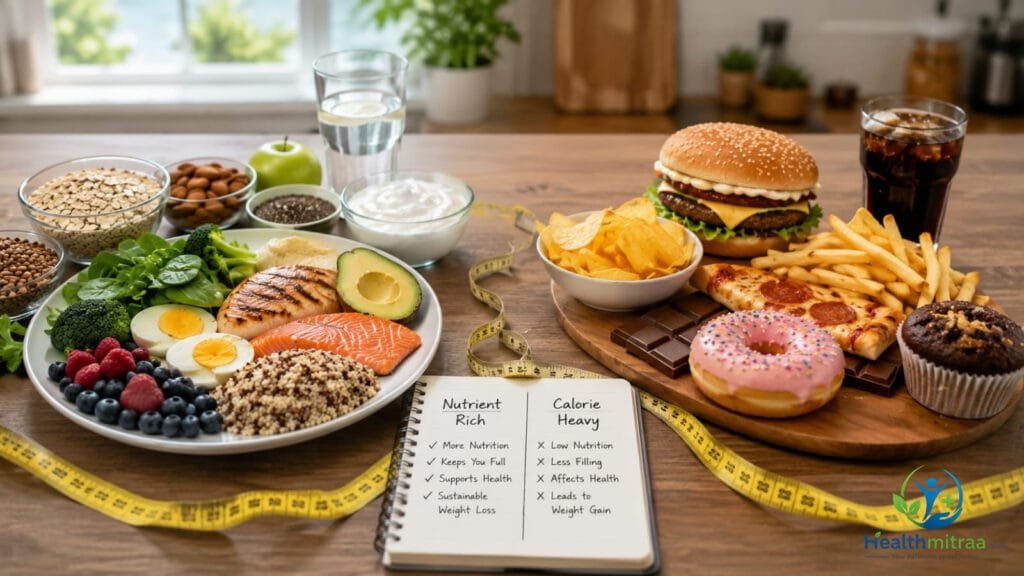
While creating a calorie deficit is important for weight loss, the quality of the foods you eat matters just as much. Not all calories affect your body in the same way. Foods that are high in protein, fiber, and healthy fats help you stay full longer, reduce cravings, and support better blood sugar control. In contrast, highly processed foods and sugary snacks are often digested quickly, leaving you hungry again soon after eating.
Choosing nutrient-rich foods also provides your body with essential vitamins, minerals, and antioxidants that support overall health while losing weight. A balanced diet combined with regular physical activity is more effective and sustainable than relying on restrictive diets or simply eating fewer calories. By focusing on healthier food choices, you can make weight loss easier, improve your energy levels, and develop long-term eating habits that support lasting results.
25 Best Foods for Weight Loss
1. Eggs
Why it helps: Eggs are rich in high-quality protein, which helps you stay full longer and may reduce unnecessary snacking throughout the day.
Key nutrients: Protein, vitamin D, vitamin B12, choline, selenium.
Best way to eat: Boiled, poached, or lightly scrambled with vegetables.
Simple tip: Pair eggs with whole-grain toast or fresh vegetables for a satisfying breakfast.
2. Greek Yogurt
Why it helps: Greek yogurt is high in protein and can help control hunger while supporting muscle maintenance during weight loss.
Key nutrients: Protein, calcium, probiotics, vitamin B12.
Best way to eat: Choose plain, unsweetened Greek yogurt and top it with berries or chia seeds.
Simple tip: Avoid flavored varieties that contain added sugars.
3. Oats
Why it helps: Oats are packed with soluble fiber that slows digestion, keeps you full for longer, and helps stabilize blood sugar levels.
Key nutrients: Fiber, magnesium, manganese, iron.
Best way to eat: Cook with milk or water and add fruits, nuts, or cinnamon.
Simple tip: Skip instant flavored oats and choose plain rolled or steel-cut oats whenever possible.
4. Salmon
Why it helps: Salmon provides high-quality protein and omega-3 fatty acids that support heart health and promote satiety.
Key nutrients: Protein, omega-3 fatty acids, vitamin D, selenium.
Best way to eat: Grilled, baked, or air-fried with herbs and vegetables.
Simple tip: Aim to include fatty fish in your meals once or twice a week.
5. Chicken Breast
Why it helps: Skinless chicken breast is lean, high in protein, and can help preserve muscle while reducing overall calorie intake.
Key nutrients: Protein, niacin, vitamin B6, phosphorus.
Best way to eat: Grilled, baked, or stir-fried with vegetables using minimal oil.
Simple tip: Replace fried chicken with grilled chicken for a healthier meal.
6. Lentils
Why it helps: Lentils are rich in both protein and fiber, making them highly filling and beneficial for healthy digestion.
Key nutrients: Protein, fiber, iron, folate, potassium.
Best way to eat: Add to soups, salads, curries, or grain bowls.
Simple tip: Include lentils in at least one meal each week for a nutritious plant-based protein source.
7. Leafy Green Vegetables
Why it helps: Spinach, kale, and other leafy greens are low in calories but rich in fiber and water, helping you feel full without consuming excess calories.
Key nutrients: Fiber, vitamin A, vitamin C, vitamin K, folate, calcium.
Best way to eat: Add to salads, smoothies, soups, or lightly sauté with olive oil.
Simple tip: Fill at least half your plate with leafy greens during lunch or dinner.
8. Broccoli
Why it helps: Broccoli is a filling, high-fiber vegetable that supports digestion and provides plenty of nutrients while remaining low in calories.
Key nutrients: Fiber, vitamin C, vitamin K, folate, potassium.
Best way to eat: Steam, roast, or stir-fry with lean protein.
Simple tip: Avoid heavy creamy sauces that add unnecessary calories.
9. Apples
Why it helps: Apples contain fiber and water, making them a satisfying snack that may help reduce hunger between meals.
Key nutrients: Fiber, vitamin C, antioxidants.
Best way to eat: Fresh with the skin on.
Simple tip: Pair an apple with a handful of almonds for a balanced snack.
10. Berries
Why it helps: Strawberries, blueberries, and raspberries are naturally sweet, high in fiber, and lower in calories than many desserts.
Key nutrients: Fiber, vitamin C, antioxidants.
Best way to eat: Add to oatmeal, yogurt, smoothies, or enjoy as a snack.
Simple tip: Choose fresh or frozen berries without added sugar.
11. Avocados
Why it helps: Although higher in calories, avocados contain healthy fats and fiber that promote fullness and may help reduce overeating.
Key nutrients: Healthy monounsaturated fats, fiber, potassium, folate.
Best way to eat: Add slices to salads, whole-grain toast, or sandwiches.
Simple tip: Stick to about one-quarter to one-half of an avocado per serving.
12. Almonds
Why it helps: Almonds provide protein, healthy fats, and fiber that help control hunger and support healthy snacking.
Key nutrients: Protein, healthy fats, vitamin E, magnesium, fiber.
Best way to eat: Enjoy raw or dry roasted without added salt or sugar.
Simple tip: Keep portions to about a small handful to avoid excess calories.
13. Chia Seeds
Why it helps: Chia seeds absorb water and expand in your stomach, helping you feel full for longer while providing fiber and healthy fats.
Key nutrients: Fiber, omega-3 fatty acids, protein, calcium, magnesium.
Best way to eat: Mix into yogurt, smoothies, oatmeal, or overnight oats.
Simple tip: Soak chia seeds before eating for a better texture and easier digestion.
14. Beans
Why it helps: Black beans, kidney beans, and chickpeas are rich in protein and fiber, making them highly filling and beneficial for healthy weight management.
Key nutrients: Protein, fiber, iron, folate, potassium.
Best way to eat: Add to salads, soups, wraps, or homemade curries.
Simple tip: Choose low-sodium canned beans or rinse them well before use.
15. Cottage Cheese
Why it helps: Cottage cheese is packed with protein while remaining relatively low in calories, making it an excellent choice for healthy snacks or meals.
Key nutrients: Protein, calcium, phosphorus, vitamin B12.
Best way to eat: Pair with fresh fruits, vegetables, or whole-grain crackers.
Simple tip: Choose low-fat or reduced-fat varieties when appropriate.
16. Tofu
Why it helps: Tofu is a plant-based protein that supports fullness and is an excellent option for vegetarians and vegans.
Key nutrients: Protein, calcium, iron, magnesium.
Best way to eat: Grill, bake, stir-fry, or add to soups and salads.
Simple tip: Marinate tofu before cooking to improve its flavor.
17. Sweet Potatoes
Why it helps: Sweet potatoes provide fiber and complex carbohydrates that deliver steady energy and help reduce hunger.
Key nutrients: Fiber, vitamin A, vitamin C, potassium.
Best way to eat: Bake, roast, or steam instead of frying.
Simple tip: Eat them with lean protein for a balanced meal.
18. Quinoa
Why it helps: Quinoa contains both protein and fiber, making it more satisfying than many refined grains.
Key nutrients: Protein, fiber, magnesium, iron, phosphorus.
Best way to eat: Use as a base for salads, grain bowls, or side dishes.
Simple tip: Replace white rice with quinoa a few times each week.
19. Brown Rice
Why it helps: Brown rice is a whole grain that provides more fiber than white rice, helping you stay full longer and maintain steady energy levels.
Key nutrients: Fiber, magnesium, selenium, B vitamins.
Best way to eat: Serve with lean protein and plenty of vegetables.
Simple tip: Replace white rice with brown rice for a healthier meal.
20. Grapefruit
Why it helps: Grapefruit is low in calories, high in water, and rich in vitamin C, making it a refreshing addition to a balanced weight loss diet.
Key nutrients: Vitamin C, fiber, antioxidants.
Best way to eat: Enjoy fresh as a snack or with breakfast.
Simple tip: If you take prescription medications, ask your healthcare provider whether grapefruit is safe for you.
21. Walnuts
Why it helps: Walnuts contain healthy fats, protein, and fiber that help increase fullness and support heart health.
Key nutrients: Omega-3 fatty acids, protein, fiber, magnesium.
Best way to eat: Eat a small handful as a snack or sprinkle over salads.
Simple tip: Keep portions moderate because nuts are calorie-dense.
22. Flaxseeds
Why it helps: Flaxseeds are rich in fiber and healthy fats that may help improve satiety and digestive health.
Key nutrients: Fiber, omega-3 fatty acids, magnesium, lignans.
Best way to eat: Add ground flaxseeds to oatmeal, yogurt, or smoothies.
Simple tip: Ground flaxseeds are generally easier to digest than whole flaxseeds.
23. Green Tea
Why it helps: Green tea contains antioxidants and may slightly support metabolism when combined with a healthy diet and regular exercise.
Key nutrients: Catechins, antioxidants.
Best way to eat: Drink unsweetened between meals.
Simple tip: Avoid adding sugar or high-calorie creamers.
24. Mushrooms
Why it helps: Mushrooms are naturally low in calories and add volume, flavor, and nutrients to meals without significantly increasing calorie intake.
Key nutrients: Fiber, selenium, B vitamins, potassium.
Best way to eat: Grill, roast, or sauté with minimal oil.
Simple tip: Use mushrooms as a partial replacement for higher-calorie meats in some recipes.
25. Cottage Cheese (Low-Fat Paneer)
Why it helps: Low-fat paneer provides high-quality protein and calcium, helping you stay full while supporting muscle health during weight loss.
Key nutrients: Protein, calcium, phosphorus, vitamin B12.
Best way to eat: Grill, add to salads, or cook with vegetables using minimal oil.
Simple tip: Choose low-fat paneer and control portion sizes for a balanced diet.
🔍 Did You Know?
Research suggests that protein- and fiber-rich foods can help increase feelings of fullness, making it easier to reduce overall calorie intake. Simply replacing sugary snacks and highly processed foods with nutrient-dense whole foods may support healthy, sustainable weight loss when combined with regular physical activity and healthy lifestyle habits.
Best High-Protein Foods for Weight Loss
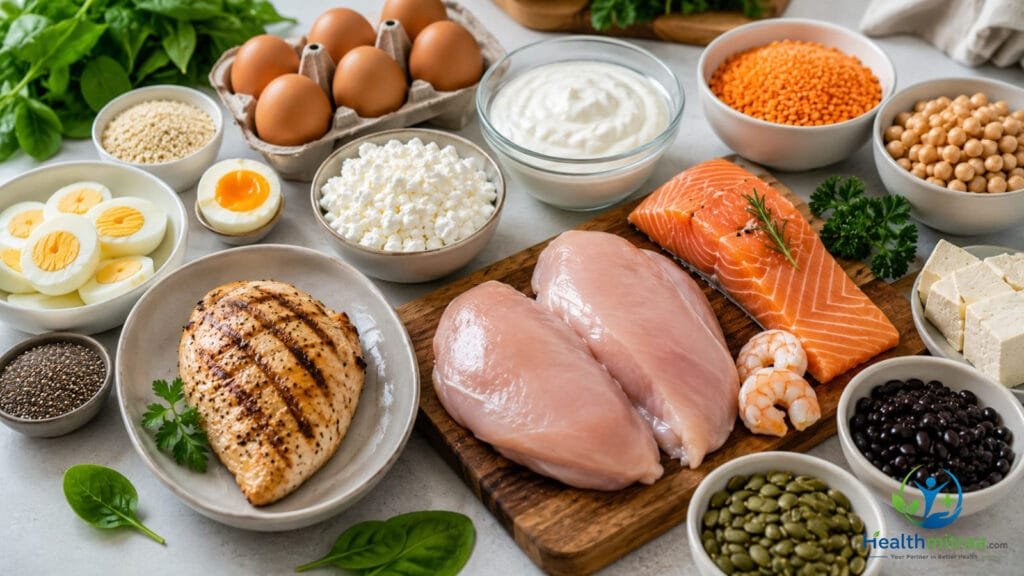
Protein is one of the most important nutrients for healthy weight loss. It helps keep you full for longer, supports muscle maintenance while losing fat, and may slightly increase the number of calories your body burns during digestion. Including a good source of protein in every meal can also reduce cravings and make it easier to maintain a calorie deficit without feeling overly hungry.
Some of the best high-protein foods for weight loss include:
- Eggs: A filling breakfast choice that provides high-quality protein and essential nutrients.
- Skinless Chicken Breast: Lean, protein-rich, and ideal for balanced lunches or dinners.
- Greek Yogurt: High in protein and probiotics, making it a satisfying snack or breakfast.
- Salmon: Rich in protein and heart-healthy omega-3 fatty acids.
- Low-Fat Cottage Cheese (Paneer): A great source of protein and calcium for vegetarians.
- Lentils and Beans: Plant-based proteins that also provide fiber to keep you full.
- Tofu: An excellent protein option for vegetarian and vegan diets.
For the best results, combine protein-rich foods with vegetables, whole grains, and healthy fats to create balanced meals that support healthy and sustainable weight loss.
Best High-Fiber Foods That Keep You Full Longer
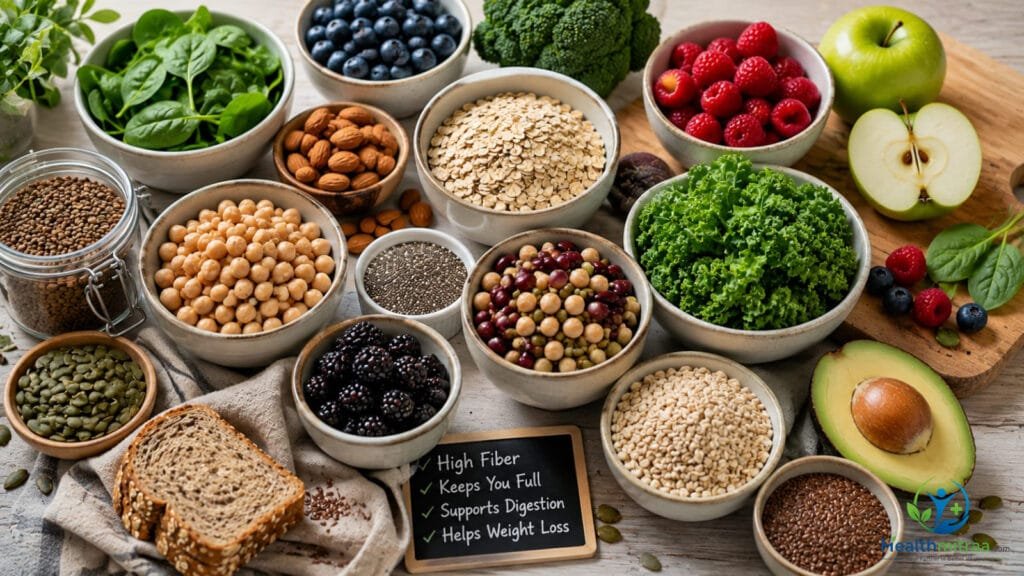
Fiber plays a key role in healthy weight loss because it slows digestion, helps control appetite, and supports healthy blood sugar levels. High-fiber foods also promote good digestive health and can reduce the urge to snack between meals. Including more fiber-rich foods in your daily diet is a simple way to stay satisfied while managing your calorie intake.
Some of the best high-fiber foods for weight loss include:
- Oats: Rich in soluble fiber that helps you feel full for longer.
- Apples: A naturally sweet snack packed with fiber and water.
- Berries: High in fiber and antioxidants while remaining relatively low in calories.
- Broccoli: A nutrient-dense vegetable that adds volume to meals without many calories.
- Leafy Greens: Spinach, kale, and similar vegetables are filling and highly nutritious.
- Beans and Lentils: Excellent sources of both fiber and plant-based protein.
- Chia Seeds and Flaxseeds: Small but packed with fiber, healthy fats, and important nutrients.
Aim to include a variety of fiber-rich foods throughout the day and increase your fiber intake gradually while drinking plenty of water to support healthy digestion.
Foods That Can Slow Down Weight Loss
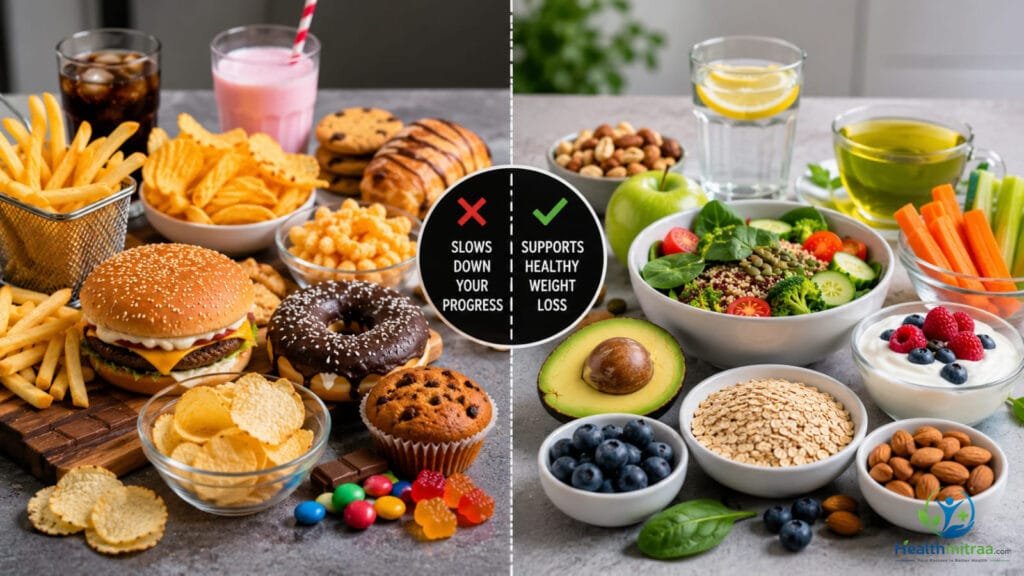
While no single food causes weight gain on its own, regularly eating foods that are high in added sugars, refined carbohydrates, and unhealthy fats can make it harder to lose weight. These foods are often high in calories but low in nutrients, making it easier to overeat without feeling satisfied.
Some foods to limit when trying to lose weight include:
- Sugary Drinks: Soft drinks, sweetened juices, and energy drinks can add hundreds of extra calories without keeping you full.
- Sugary Snacks and Desserts: Cookies, cakes, pastries, candies, and ice cream are often high in added sugar and unhealthy fats.
- Fried Foods: French fries, fried chicken, and similar foods are calorie-dense and may contribute to excess calorie intake.
- Refined Grains: White bread, white pasta, and many processed breakfast cereals contain less fiber than whole-grain alternatives.
- Fast Food: Many fast-food meals are high in calories, saturated fat, sodium, and added sugars.
- Highly Processed Snacks: Potato chips, crackers, and packaged snack foods are easy to overeat and often provide little nutritional value. nhs.uk
Rather than eliminating your favorite foods completely, focus on eating these foods less often and in smaller portions while building your meals around nutrient-rich whole foods. This balanced approach is more sustainable and can support long-term weight management.
🥗 Healthy Swap Ideas
Making small food swaps can reduce calories while improving the nutritional quality of your meals.
- 🍟 Potato Chips → Roasted Chickpeas
- 🥤 Sugary Soda → Water or Sparkling Water
- 🍦 Ice Cream → Plain Greek Yogurt with Fresh Berries
- 🍪 Cookies → Apple Slices with Peanut Butter
- 🍟 French Fries → Baked Sweet Potato Fries
- 🍞 White Bread → Whole-Grain Bread
- 🍚 White Rice → Brown Rice or Quinoa
- 🍫 Chocolate Candy → A Small Piece of Dark Chocolate (70%+ Cocoa)
Simple Meal Ideas Using These Weight Loss Foods
Healthy weight loss doesn’t require complicated recipes. Building balanced meals with protein, fiber, healthy fats, and whole grains can help you stay full, reduce cravings, and make it easier to maintain a healthy eating pattern.
Here are a few simple meal ideas:
Breakfast
- Greek yogurt topped with berries, chia seeds, and a handful of almonds.
- Oatmeal with sliced apples, cinnamon, and ground flaxseeds.
- Two boiled eggs with whole-grain toast and sautéed spinach.
Lunch
- Grilled chicken breast with brown rice and steamed broccoli.
- Quinoa salad with chickpeas, leafy greens, avocado, and fresh vegetables.
- Lentil soup served with a side salad.
Dinner
- Baked salmon with roasted sweet potatoes and mixed vegetables.
- Stir-fried tofu with broccoli, mushrooms, and brown rice.
- Grilled low-fat paneer with a fresh green salad.
Healthy Snacks
- An apple with a small handful of almonds.
- Plain Greek yogurt with fresh berries.
- Carrot and cucumber sticks with hummus.
- A handful of walnuts or roasted chickpeas. Mayo Clinic
The key to healthy weight loss is consistency rather than perfection. Choose balanced meals, watch portion sizes, drink enough water, and include a variety of nutrient-rich foods to make your eating plan enjoyable and sustainable.
💡 Expert Tips
- Aim to include a source of protein with every meal to help control hunger and support muscle health.
- Fill half of your plate with vegetables to increase fiber while keeping calories in check.
- Choose whole foods over highly processed products whenever possible.
- Drink plenty of water throughout the day, as thirst is sometimes mistaken for hunger.
- Practice portion control, even with healthy foods like nuts, seeds, and avocados.
- Combine a balanced diet with regular physical activity, quality sleep, and stress management for the best long-term weight loss results.
- Focus on sustainable lifestyle changes instead of restrictive diets that are difficult to maintain.
⚠️ Who Should Be Careful?
While these foods are healthy for most people, some individuals may need personalized dietary advice:
- People with kidney disease: Some high-protein or potassium-rich foods may need to be limited depending on kidney function.
- People with food allergies: Always avoid foods that trigger allergic reactions and choose safe alternatives.
- People with diabetes: Focus on portion control and choose high-fiber, minimally processed carbohydrates to help manage blood sugar levels.
- Pregnant or breastfeeding women: Nutritional needs are different during pregnancy and breastfeeding. Follow a balanced diet and consult a healthcare professional before making major dietary changes.
If you have a chronic medical condition or follow a special diet, speak with your healthcare provider or a registered dietitian before making significant changes to your eating plan.
Frequently Asked Questions (FAQs)
1. What are the best foods for weight loss?
Some of the best foods for weight loss include eggs, Greek yogurt, oats, salmon, chicken breast, leafy greens, broccoli, lentils, beans, berries, apples, quinoa, and chia seeds. These foods are rich in protein, fiber, or healthy fats that help you stay full longer.
2. Can I lose weight without giving up carbohydrates?
Yes. Healthy carbohydrates such as oats, brown rice, quinoa, sweet potatoes, fruits, and vegetables can be part of a balanced weight loss diet. Portion control and overall calorie intake are more important than eliminating carbohydrates completely.
3. Which foods help reduce belly fat?
No food specifically targets belly fat. However, eating more protein-rich and high-fiber foods while limiting sugary drinks and highly processed foods can support overall fat loss, including abdominal fat, when combined with regular exercise.
4. How much protein should I eat for weight loss?
Protein needs vary depending on your age, body weight, activity level, and health goals. Many adults benefit from including a good source of protein with each meal. If you have kidney disease or other medical conditions, consult your healthcare provider before significantly increasing your protein intake.
5. Are fruits good for weight loss?
Yes. Most whole fruits are naturally low in calories and high in fiber, vitamins, and antioxidants. Eating whole fruits is generally a healthier choice than drinking fruit juice because they provide more fiber and promote better fullness.
Key Takeaways
- Focus on whole, nutrient-dense foods instead of highly processed options.
- Include protein and fiber in every meal to help control hunger and stay full longer.
- Build balanced meals with lean protein, vegetables, whole grains, and healthy fats.
- Limit sugary drinks, fried foods, and ultra-processed snacks whenever possible.
- Healthy weight loss comes from consistent eating habits, regular physical activity, adequate sleep, and portion control—not from quick-fix diets.
- Small, sustainable lifestyle changes are more effective for long-term weight management than restrictive eating plans.
Choosing the right foods every day can make losing weight healthier, easier, and more sustainable while supporting your overall well-being.
Medical Disclaimer
The information provided in this article is for educational and informational purposes only and should not be considered medical advice, diagnosis, or treatment. Always consult a qualified healthcare professional before making any changes to your diet, exercise routine, medications, or lifestyle.
Individual nutritional needs and weight loss results may vary depending on age, medical conditions, and overall health. Never ignore professional medical advice or delay seeking medical care based on information you read on this website.
HealthMitraa strives to provide accurate, evidence-based health information, but we do not guarantee that all information is complete, current, or suitable for every individual.